World news and discussion on TalkFuse.
Trump admits bitter midterms defeat: ‘I’m a little bit surprised. I thought they’d do better’
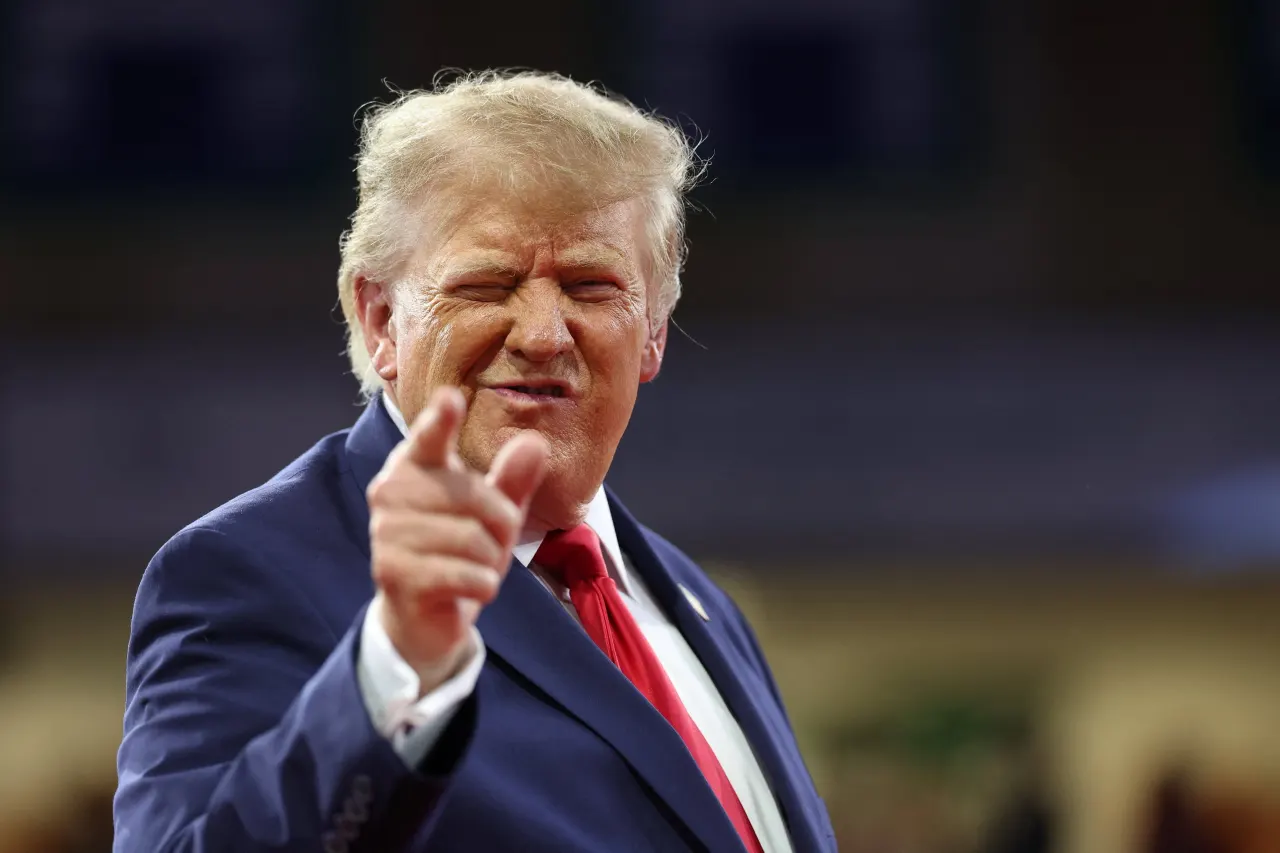
Donald Trump acknowledged that Republicans had performed worse than he expected in the midterm elections, as Democrats won control of both chambers of Congress. The result limits his ability to pursue his agenda during his final two years in office and opens the contest to succeed him as the Republican presidential nominee in 2028.
Trump had campaigned across about 30 states and posted nearly 200 times in support of Republican candidates, but voter concerns about inflation, living costs, tariffs and the war with Iran weighed on his party. He said he would work with Democrats and defended his candidate choices, despite notable losses including Texas Governor Greg Abbott and South Carolina Senate candidate Darline Graham. Trump had earlier urged the Justice Department to block Alaska’s result if the Republican candidate lost.
In short
- Democrats took control of the House and Senate.
- Trump said Republicans did worse than he expected.
- Voter concerns included inflation, tariffs and Iran.
Steelman: both sides, in good faith
The strongest fair case each way — we don't pick a winner.
The case for
Republicans can argue that the losses reflect voters’ concerns about the administration’s handling of inflation, living costs, tariffs and the war with Iran, and that the result is a mandate to adjust course. Divided control of Congress may also prompt negotiation and oversight, while the approaching 2028 nomination contest gives the party a chance to choose a candidate and programme that better meet voters’ priorities.
The case against
Trump and his supporters can argue that midterm results are an imperfect verdict on a presidency and may reflect local races and short-term pressures as much as the administration’s full record. They can point to his extensive campaigning and maintain that his candidate choices were defensible, while seeking to work with Democrats and pursue the agenda voters supported in 2024.
Explained simply
US midterm elections take place halfway through a president’s four-year term. Voters choose members of the House of Representatives and, in some states, senators; Congress makes federal laws and approves government spending.
Donald Trump is a Republican, and Democrats are the other major US political party. When one party controls Congress and another holds the presidency, passing laws can become harder, as Congress can reject or change a president’s proposals and scrutinise the administration.
The midterms can also shape the next presidential race. Trump’s final two years in office are part of his second term, and Republicans will eventually choose a candidate to run for president in 2028.
Americas Elections Government Politics World