World news and discussion on TalkFuse.
Public Citizen challenges government-funded Trump adverts over propaganda rules
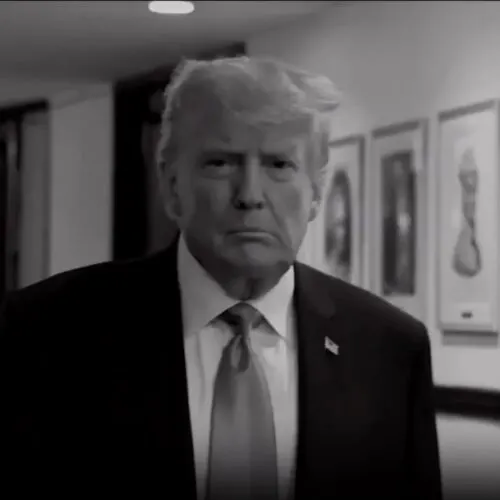
Public Citizen has asked the US Federal Communications Commission and Federal Trade Commission to tell broadcasters to stop airing Trump advertisements that it says may breach laws against taxpayer-funded propaganda and restrictions on federal employees’ political activity. The group argues that one advert, “The Final Battle”, reuses footage and audio from a 2024 Trump campaign commercial, but now carries a notice saying it was paid for by the US government; the White House describes the newer adverts as public service announcements.
The ads aired on several television programmes and during college and NFL games, with funding reportedly coming from the Department of Homeland Security. Senate Democrats say DHS has allocated $20 million to the effort, while an advertising analytics firm estimates more than $1.7 million has already gone on airtime. The article says regulators are unlikely to intervene, and broadcasters may be reluctant to reject the ads amid pressure from the FCC.
In short
- Public Citizen says taxpayer-funded Trump ads may break federal laws.
- One advert reuses material from Trump’s 2024 campaign.
- Regulators are considered unlikely to stop the broadcasts.
Steelman: both sides, in good faith
The strongest fair case each way — we don't pick a winner.
The case for
Public Citizen's concerns rest on the principle that taxpayers should not fund advertisements that primarily serve to benefit political figures or campaigns. The reuse of footage from Trump's 2024 campaign material in these advertisements suggests campaign content has been rebranded as government communications, potentially violating anti-propaganda statutes. With $20 million allocated and over $1.7 million already spent on airtime, the scale goes well beyond incidental messaging about legitimate government functions, raising serious questions about whether public funds are being diverted to promote a political candidate.
The case against
The government has a legitimate responsibility to communicate its policies, security initiatives and public priorities through advertising. If the Department of Homeland Security has genuine security-related messaging as part of its mandate, it possesses statutory authority to communicate that to the public. The distinction between campaign advertising and government communication remains important and real; an administration must be able to inform citizens about its policies without those communications being deemed improper propaganda. Absent clear evidence that the messaging is purely political rather than addressing actual government functions, regulators may reasonably permit such communications as a legitimate exercise of government authority.
Explained simply
The United States government has funded a series of television advertisements for Donald Trump, which an advocacy group called Public Citizen argues may violate laws preventing taxpayer-funded political propaganda. Public Citizen has asked federal regulators to order broadcasters to stop airing these adverts, saying they breach rules that forbid federal employees from using government resources for political purposes.
The dispute centres on whether these are legitimate public service announcements or disguised campaign material. Public Citizen claims one advert reuses footage and audio from a Trump campaign commercial from 2024, but now displays a notice stating it was funded by the US government. The White House describes them as public service announcements, whilst the Department of Homeland Security has reportedly allocated $20 million to the effort.
The issue raises questions about how taxpayer money can be spent during elections and whether federal agencies should fund advertisements for any political candidate. Long-standing laws prohibit the government from using public funds to produce propaganda, and restrict federal employees' political activities. The adverts' legality depends on whether regulators decide they are genuinely informational public service content or political material disguised to appear official.
Americas Government Politics World
Read the full article at the source →
Originally published by Ars Technica as “Trump ads paid for by US government allegedly violate anti-propaganda laws”.