Trump announces ‘Super Intelligence Force’ to oversee AI policy
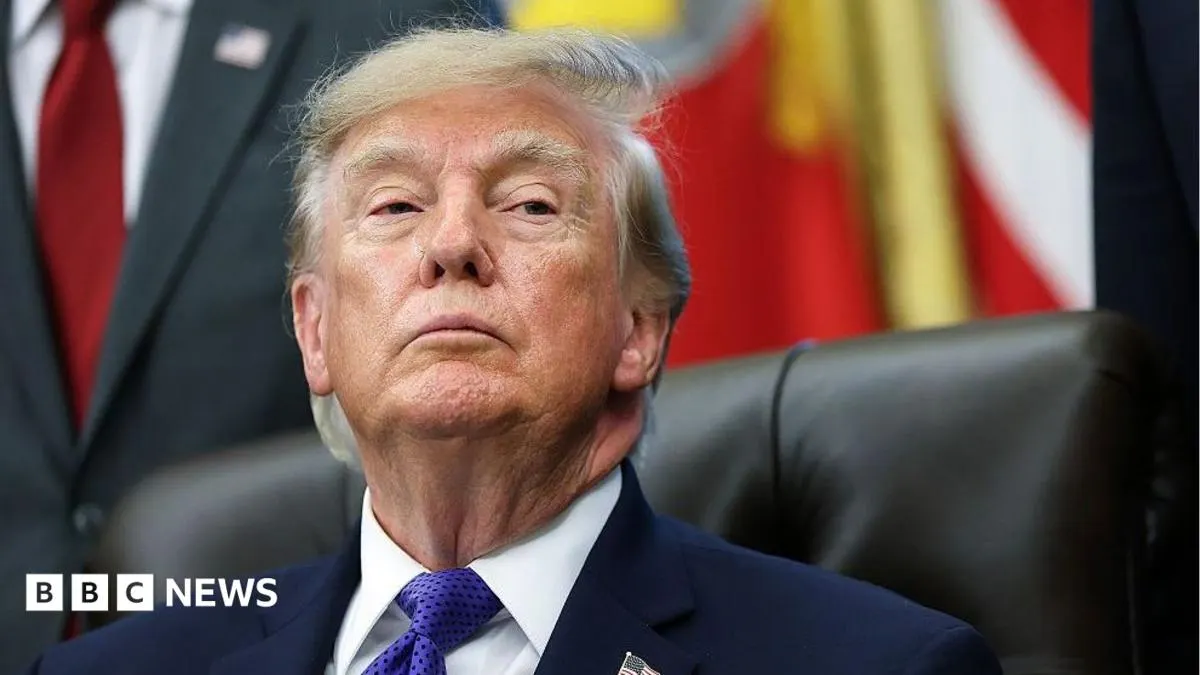
Donald Trump has announced a federal taskforce called the “Super Intelligence Force” to coordinate US government engagement with AI companies and other groups. Led by Director of National Intelligence Jay Clayton, it will report to Trump and White House Chief of Staff Susie Wiles, with the stated aim of keeping the US at the forefront of AI development.
The force also includes officials from the Federal Trade Commission, the Defence Department and the Office of Personnel Management. Its creation follows an executive order directing agencies to replace “artificial intelligence” with “Super Intelligence” or “SI”, a rebranding some experts say could cause confusion. The move comes amid calls from technology leaders for tighter oversight, while Trump has largely left regulation to companies; executives from OpenAI, Anthropic, SpaceX and Google signed a voluntary pact on 29 September.
- Trump has created a federal taskforce to coordinate US AI policy.
- Intelligence chief Jay Clayton will lead the group.
- The administration is replacing “AI” with “Super Intelligence”.
New here? Start with this
Artificial intelligence is increasingly important to national security and economic competition globally. The Trump administration has created a federal taskforce to coordinate how the US government works with and oversees artificial intelligence companies and development.
The taskforce is led by Director of National Intelligence Jay Clayton and includes officials from the Defence Department, the Federal Trade Commission and other government agencies. It reports directly to President Trump and White House Chief of Staff Susie Wiles.
There is ongoing debate about how much the government should regulate artificial intelligence versus allowing companies to set their own rules. Some technology executives have called for stronger government involvement, whilst the Trump administration has generally preferred industry-led voluntary approaches.
Both sides, in good faith
The strongest fair case each way — we don't pick a winner.
The case for
The creation of a coordinated government taskforce reflects the recognition that AI development has profound implications for national security, economic competitiveness, and public welfare. Bringing together officials from defence, national intelligence, trade regulation, and personnel management ensures a comprehensive, strategic approach rather than fragmented responses. Given the stakes involved—from military applications to economic displacement—government coordination is necessary to protect the public interest and maintain American leadership in this critical technology.
The case against
Establishing a large federal taskforce risks imposing bureaucratic slowness on an industry where speed and innovation are paramount. Companies and industry leaders, who possess the deepest technical expertise, have already demonstrated willingness to coordinate through voluntary agreements. Government bureaucracies typically lag behind technological development, and adding another layer of oversight may actually impede America's competitive advantage. The rebranding initiative and lack of specific policy proposals suggest the taskforce may prioritise appearance over substantive regulation, wasting resources without delivering meaningful oversight.