Politics news and discussion on TalkFuse.
Trump appeals to state and federal courts to erase hush money criminal conviction
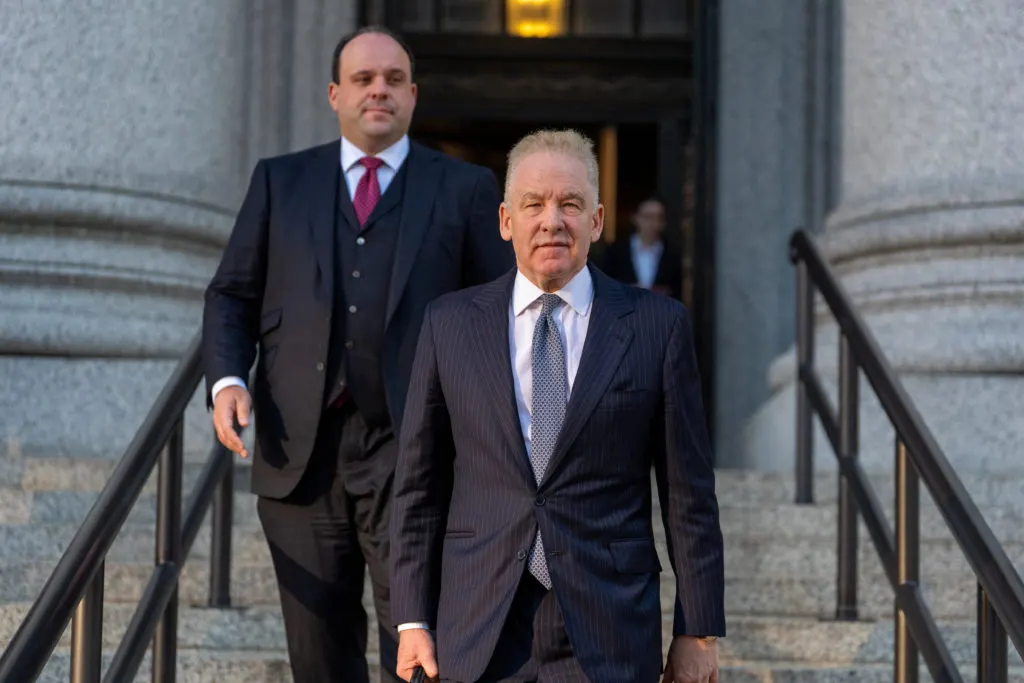
Donald Trump has asked a federal appeals court to take over his New York hush money case, while a state appeals court separately considers his bid to overturn his conviction. The federal judges questioned whether the law permits this transfer, which could let Trump seek dismissal on presidential immunity grounds; they did not rule immediately.
Trump was convicted in May 2024 on 34 felony counts of falsifying business records to conceal a $130,000 payment to Stormy Daniels, and received no punishment. His lawyer said state appeals could take years, while judges challenged the legal and procedural basis for moving the case. A federal judge has rejected Trump’s transfer request three times, and the state appeals court heard arguments on 5 November.
In short
- Trump is pursuing parallel state and federal appeals.
- His conviction concerns records covering a $130,000 payment.
- Federal judges questioned whether the case can be transferred.
Steelman: both sides, in good faith
The strongest fair case each way — we don't pick a winner.
The case for
Trump’s lawyers can argue that the case raises unresolved questions about presidential immunity and that a federal court should decide whether conduct connected to his presidency can be prosecuted in state court. They may also contend that lengthy appeals prolong legal uncertainty and that transferring the case could provide a clearer, faster ruling on those issues.
The case against
Opponents can argue that the conviction concerns falsified business records in a state prosecution, and that the transfer request lacks a sufficient legal basis. They may see repeated efforts to move the case as an attempt to delay resolution, while maintaining that ordinary appeals should proceed through New York’s courts.
Explained simply
In 2016, Donald Trump’s lawyer paid adult-film actor Stormy Daniels $130,000 after she said they had a sexual encounter years earlier; Trump has denied the encounter. Trump later reimbursed his lawyer, and the payments were recorded as legal expenses in his company’s records.
New York prosecutors said those records wrongly described the payments and were used to conceal the reimbursement’s purpose. A jury found Trump guilty of falsifying business records, a state crime. The case has also raised questions about how presidential immunity applies to criminal cases involving conduct connected to a president’s time in office.