Trump-appointed justice joins Sotomayor in unlikely alliance to rip DOJ’s handling of illegal immigrant case
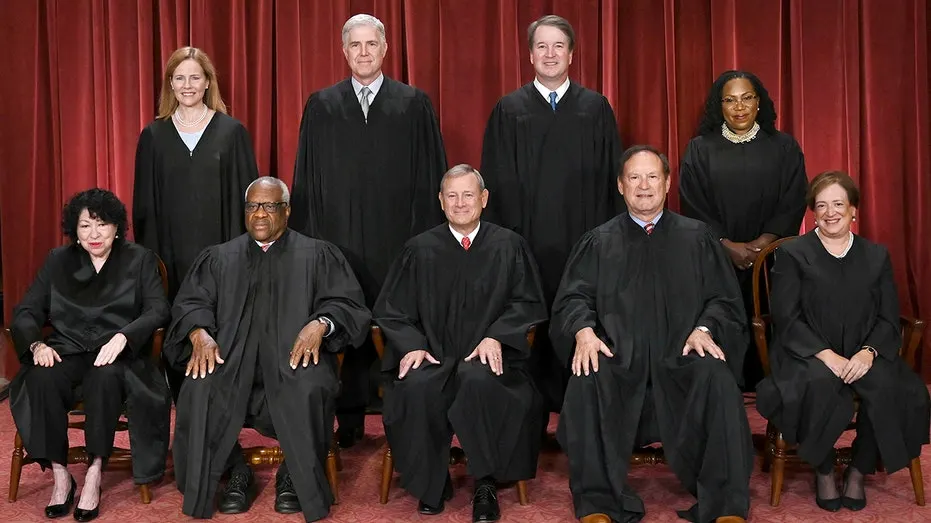
Supreme Court Justices Sonia Sotomayor and Neil Gorsuch raised constitutional concerns about the US government’s prosecution of a Mexican national twice for being unlawfully in the country. The Court declined to hear his appeal, but the justices’ joint statement questioned whether he could fairly be punished for remaining in the United States after release conditions barred him from leaving his Oklahoma district.
Jesus Herrera-Salazar was first convicted in 2020 after being found in the US following deportation, then served prison time and was placed on supervised release. After police stopped him in Heavener, Oklahoma, he faced a second prosecution under the same immigration law and was convicted again. The 10th Circuit upheld the second conviction, reasoning that a new discovery of unlawful presence could support another prosecution; Herrera-Salazar argued this amounted to double jeopardy.
- Sotomayor and Gorsuch questioned a second immigration prosecution.
- The Supreme Court declined to hear Herrera-Salazar’s appeal.
- His release conditions barred him from leaving his Oklahoma district.
New here? Start with this
Federal law makes it a crime for a person who has been deported to return to the United States without permission. A person convicted of that offence can face prison and, after release, court-imposed supervision that sets rules on where they may live or travel.
Jesus Herrera-Salazar, a Mexican national, was convicted under that law in 2020 and later found by police in Oklahoma while on supervised release. Prosecutors charged him again under the same law, and an appeals court upheld the second conviction. The dispute raises questions about when a new prosecution is allowed and how criminal penalties interact with release conditions.
Both sides, in good faith
The strongest fair case each way — we don't pick a winner.
The case for
The government can argue that the second case concerned a later discovery that Herrera-Salazar remained unlawfully in the country, rather than simply repeating punishment for the earlier conviction. On that view, applying the law to a new finding of unlawful presence serves Congress’s enforcement scheme, and the lower court reasonably treated the later prosecution as distinct.
The case against
Herrera-Salazar can argue that prosecuting him again for the same continuing unlawful presence risks imposing multiple punishments for one offence, contrary to the Constitution’s protection against double jeopardy. The concern is heightened because supervised-release conditions barred him from leaving his district, making it difficult to see how he could avoid the conduct underlying the second prosecution.