Trump-backed incumbent loses primary after super PAC bankrolled by Dems meddled in race
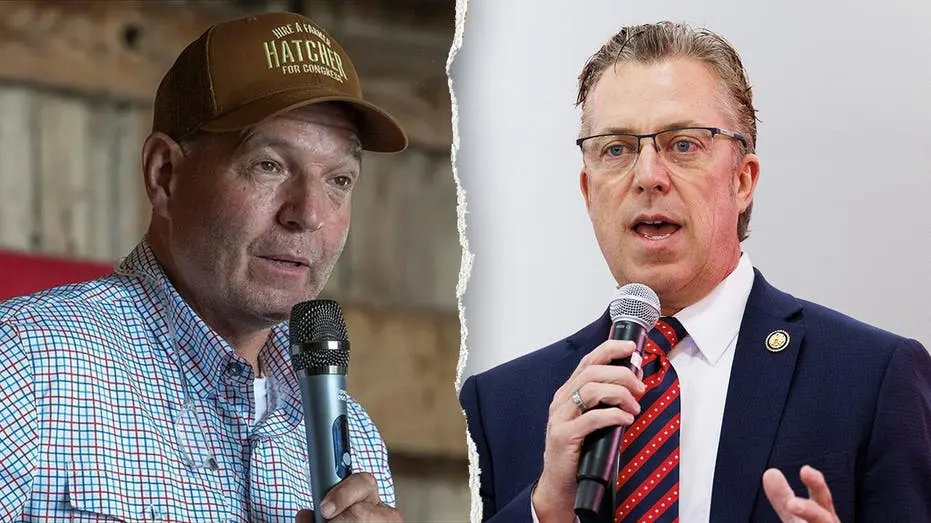
Republican Rep Andy Ogles of Tennessee lost his primary on Thursday to challenger Charlie Hatcher, a farmer and the state's former agriculture commissioner, despite backing from Donald Trump. The result is notable because it came after a super PAC funded by Democratic donors poured money into the race to influence the outcome, and the article frames the contest as illustrative of wider tensions within the Republican Party over energy policy and endorsements.
Ogles, who had campaigned against renewable energy subsidies, argued that his stance had made him a target for opposition spending from energy companies. The primary had not been considered a high-profile race heading into the 2026 cycle, but the scale of outside spending and the breakdown in usual endorsement patterns turned it into a wider talking point about Republican divisions.
In short
- Trump-backed Rep Andy Ogles lost his Tennessee primary to Charlie Hatcher.
- Democratic-funded super PAC reportedly spent heavily to sway the race.
- Ogles blamed his anti-renewable-subsidy stance for drawing opposition money.
Steelman: both sides, in good faith
The strongest fair case each way — we don't pick a winner.
The case for
The strongest case for defending the super PAC spending emphasises free speech and democratic participation. Supporters would argue that individuals have the right to support candidates aligned with their values regardless of party affiliation, and that restricting such participation based on party membership violates fundamental principles of free speech. They'd contend that Ogles's policy positions affect all citizens, not just Republicans, and that voters – not party gatekeepers – should ultimately decide elections. From this view, the spending represents legitimate democratic engagement, not improper interference.
The case against
The strongest case against the spending emphasises the importance of primary elections as internal party processes. Critics argue that primary elections should reflect the values and choices of party members, not be influenced by opposing parties with their own agendas. They contend that allowing the other party to fund candidates creates perverse incentives, removes accountability to the actual party base, and undermines important democratic norms that have historically allowed parties to maintain coherence and voters to understand nominees' actual party commitments. This represents a troubling breakdown in the informal rules that make primary elections function as genuine expressions of party will.
Explained simply
A primary is an election in which a political party chooses its candidate for the general election. Andy Ogles is a Republican member of the US House of Representatives from Tennessee; Charlie Hatcher, his challenger, is a farmer and former state agriculture commissioner.
Political action committees, or PACs, raise and spend money to influence elections. A super PAC can spend large sums independently of candidates, and its donors may come from outside the party whose primary is being contested. Campaigns over energy policy, including government support for renewable power, can draw spending and attention from groups with different interests.
Donald Trump’s endorsements have often carried weight among Republican voters, while disagreements over policy and party loyalty can complicate that influence. The contest therefore drew attention as an example of how outside spending and competing priorities can shape internal party races.
Climate Government Politics Science World