World news and discussion on TalkFuse.
Trump backs legislation to stop ‘terrible’ business of selling pardons after Alina Habba scandal
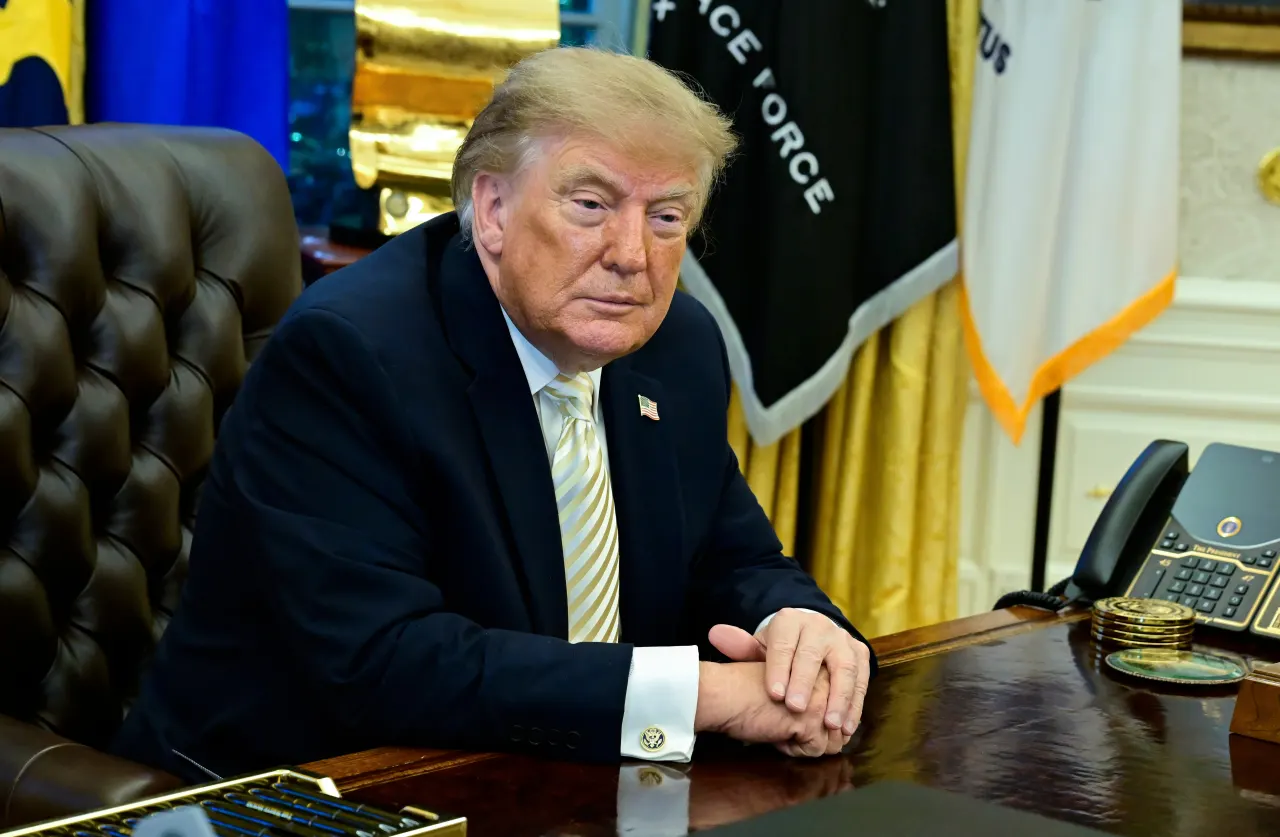
President Donald Trump says he supports legislation to curb paid lobbying for presidential pardons, calling the practice a “terrible” business. His comments follow scrutiny of former adviser Alina Habba’s lucrative contract with a company founded by the daughter of a man Trump later pardoned, and could create common ground with Democrats proposing restrictions.
Trump said he had sometimes learnt only later that people he pardoned had paid intermediaries, and argued that people should not profit from making calls on their behalf. Habba’s four-year contract was worth $50 million; it was terminated, though reports said she kept $14.5 million. Proposed measures include registering pardon brokers and disclosing contributions to Trump, his family or affiliated organisations; Habba denies lobbying for pardons and says she supports a ban.
In short
- Trump backs legislation to curb paid pardon lobbying.
- Habba’s $50 million contract drew scrutiny after a pardon.
- Democratic bills propose broker registration and financial disclosures.
Steelman: both sides, in good faith
The strongest fair case each way — we don't pick a winner.
The case for
Restricting paid pardon lobbying could help ensure that access to presidential clemency depends on the merits of a case rather than a person’s ability to pay influential intermediaries. Registration and disclosure rules could expose conflicts of interest while preserving the president’s pardon power, and supporters may see bipartisan action as a practical way to protect public confidence.
The case against
Broad restrictions could burden legitimate legal representation and advocacy by people seeking clemency, especially if disclosure rules sweep in ordinary political contributions or communications. Critics may argue that existing laws against fraud and undisclosed lobbying should be enforced first, and that Congress should avoid rules that constrain the president’s constitutional discretion or imply wrongdoing without evidence in individual cases.