World news and discussion on TalkFuse.
Trump cannot deter Xi and Putin’s nuclear goals with a strategy designed for just one
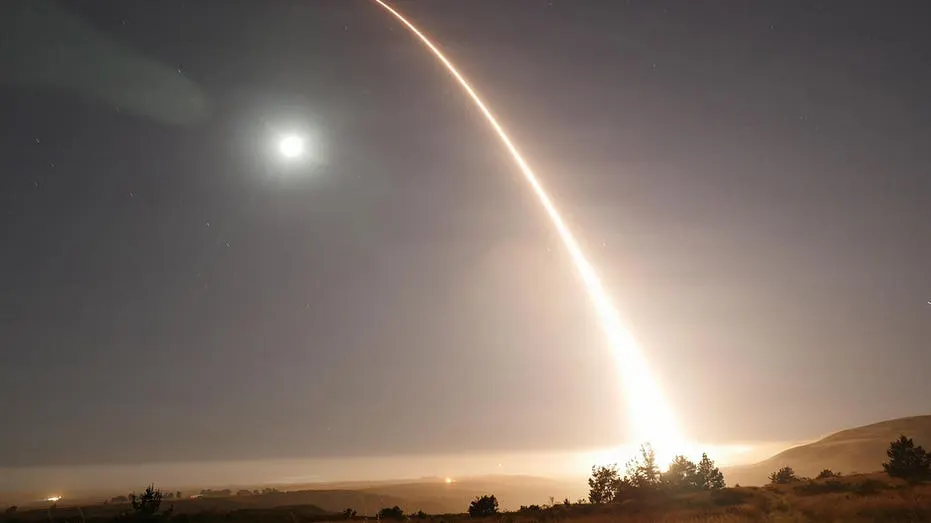
The author argues that US nuclear policy must adapt to facing China and Russia at the same time, rather than rely on an arms control framework built around competition with Russia alone. With New START having expired, the author says a replacement that leaves China unconstrained would not address the current strategic situation.
The piece contends that arms control can support deterrence but cannot replace it, given China’s reluctance to discuss its arsenal and Russia’s record on treaty commitments. Citing a 2023 congressional commission, the author says planned US forces may be inadequate and calls for a stronger nuclear triad, including at least 200 next-generation stealth bombers, compared with the Air Force’s original plan for at least 100 B-21s.
In short
- The author says US nuclear planning must account for both China and Russia.
- New START’s limits did not cover China’s growing arsenal.
- The piece calls for at least 200 next-generation stealth bombers.
Steelman: both sides, in good faith
The strongest fair case each way — we don't pick a winner.
The case for
US nuclear policy should account for the possibility of simultaneous pressure from China and Russia. If China’s arsenal is expanding and it will not join arms-control talks, an agreement focused only on US and Russian weapons may leave a significant gap; a stronger and more resilient US force could help deter coercion while negotiations remain possible. Supporters may also argue that arms control works best when backed by credible deterrence, particularly given concerns about compliance with past commitments.
The case against
Expanding the US nuclear force could intensify an arms competition, encourage China and Russia to build up further, and make future limits harder to negotiate. Critics could argue that uncertainty about adversaries’ intentions does not by itself show that substantially more weapons are needed, and that a larger, costlier arsenal may add risks without reliably improving deterrence. They may favour prioritising diplomacy, verification and measures to reduce miscalculation, while retaining a force sized to protect US and allied security.
Explained simply
The United States, Russia and China all have nuclear weapons, but arms control agreements have mostly focused on limiting US and Russian forces. New START was the last major treaty setting limits on the two countries’ deployed strategic nuclear weapons; it has now expired.
The US nuclear triad consists of land-based missiles, submarines and bombers, designed to give it several ways to respond to an attack. China has not joined talks to limit its arsenal, while the article questions Russia’s record of meeting treaty commitments.
The debate is about how the US should deter two nuclear-armed rivals while seeking limits on their weapons. A 2023 congressional commission warned that planned US forces might be inadequate; the article calls for a larger fleet of next-generation stealth bombers than the Air Force originally planned.
Asia Football Government Politics Sport World