Trump cheers Alito staying for another Supreme Court term: ‘One of the greatest of all time’
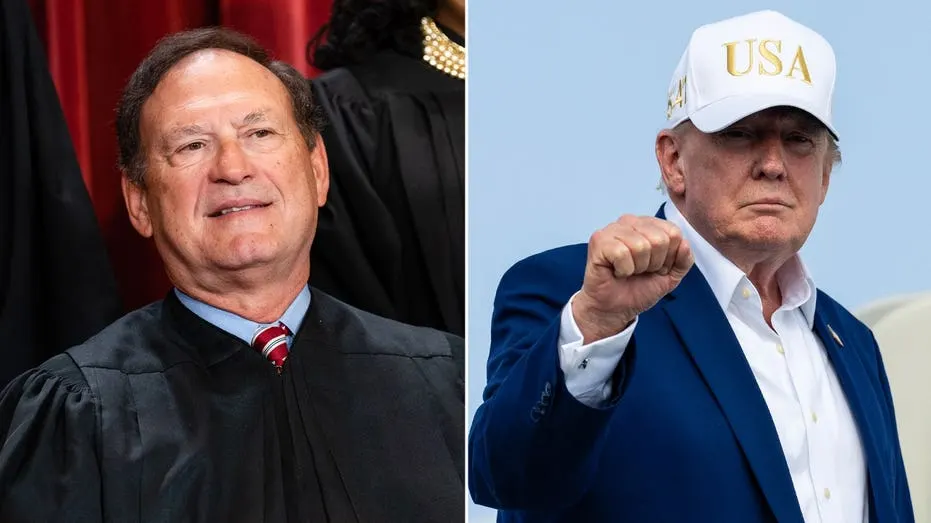
President Donald Trump publicly celebrated Justice Samuel Alito's decision not to retire from the Supreme Court, praising him in a late-night social media post as "one of the greatest of all time." The announcement matters because it removes, for now, the prospect of Trump having to secure a Senate confirmation for a replacement conservative justice during a politically sensitive period ahead of the midterm elections.
Alito, 76, is one of the court's more senior conservative justices, and speculation had mounted over whether he or fellow conservative Clarence Thomas might step down to allow Trump to nominate a younger successor while Republicans hold their Senate majority. Trump has separately indicated he is "prepared" to nominate new justices should vacancies arise, underlining the high stakes both parties attach to the court's composition as control of the Senate remains uncertain beyond the upcoming midterms.
In short
- Trump praised Justice Alito for deciding to remain on the Supreme Court
- Alito, 76, had been seen as a potential retirement candidate
- Timing matters given midterms and the Senate's confirmation power
Steelman: both sides, in good faith
The strongest fair case each way — we don't pick a winner.
The case for
Conservatives argue that the Supreme Court's composition legitimately matters for constitutional interpretation, and it is entirely appropriate for a president to express appreciation for a justice of demonstrated principle and intellectual rigour. Justice Alito's decision to continue serving reflects his own professional judgment, and there is a clear distinction between a president publicly acknowledging this and attempting improper influence. Transparency about the high stakes of Court composition is preferable to pretending partisan interests don't factor into these discussions.
The case against
Critics argue that the increasingly politicised nature of Supreme Court vacancies—where retirement timing becomes strategically calculated around electoral advantage and Senate control—fundamentally threatens judicial independence and public trust in impartial jurisprudence. When presidents celebrate judges' personal career decisions and justices face implicit pressure to coordinate departures with electoral cycles, the appearance of independence becomes compromised regardless of anyone's intentions. True institutional legitimacy requires that the judiciary remain insulated from electoral considerations; when Court composition becomes enmeshed with partisan strategy, the Court's foundational independence is undermined.
Explained simply
The US Supreme Court is the country’s highest court, and its nine justices serve for life unless they retire or are removed. Its rulings shape how federal laws and the US Constitution are applied, and can affect issues ranging from elections to individual rights.
Samuel Alito is one of the court’s conservative justices; Clarence Thomas is another senior conservative member. When a justice leaves, the president nominates a replacement, who must be approved by the Senate, so the president and the Senate’s political balance can influence who joins the court.
The court’s makeup matters because justices can serve for decades, and a change in membership may affect its decisions for years. That makes possible retirements politically significant, particularly when control of the Senate is uncertain.