Trump claims he is ‘saving’ the UK from a nuclear attack by waging war on Iran
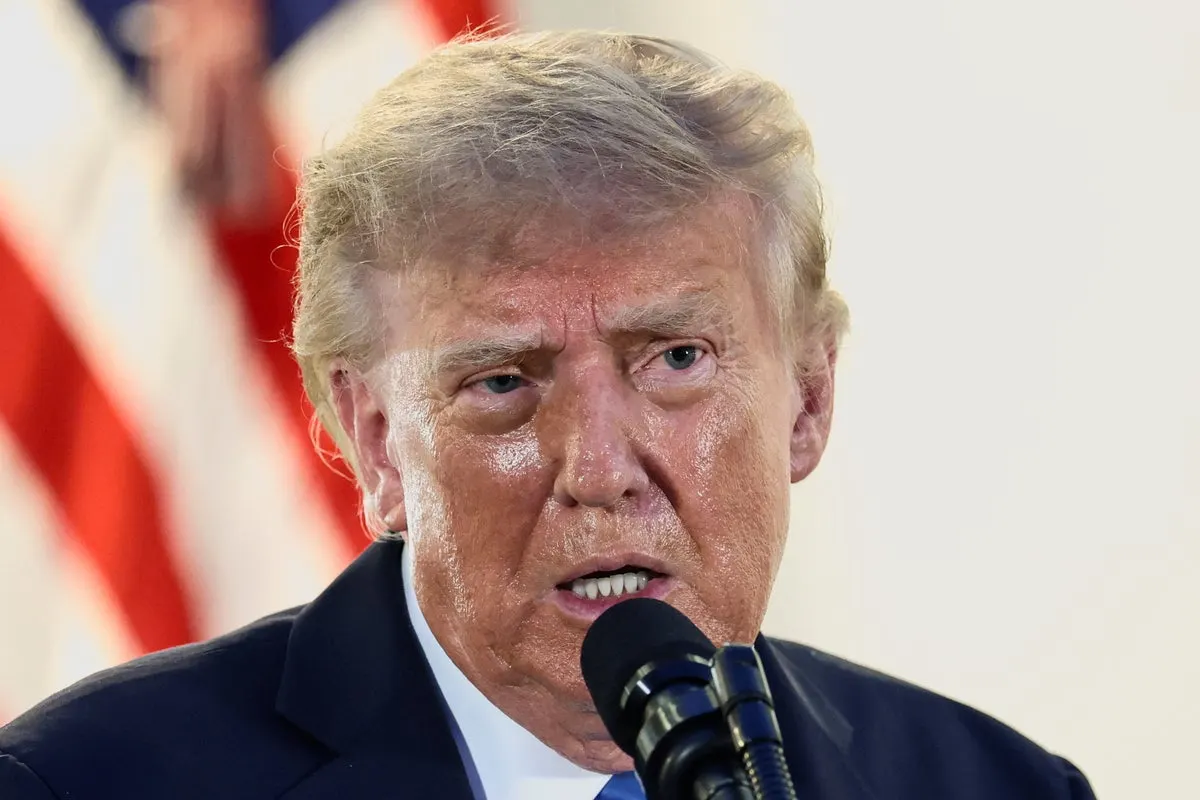
Donald Trump has said his military action against Iran is "saving" Britain from a nuclear attack, while renewing criticism of the UK for not fully backing the campaign. In a GB News interview, he also implied he might not support Britain if Argentina invaded the Falkland Islands, appearing to link this to the UK's reluctant stance on the Iran conflict, amid an ongoing row over the islands' sovereignty.
Trump argued that an Iran armed with nuclear weapons would pose a greater threat to Europe than to the US, given its missile capability. He referenced the UK's initial refusal, under then-prime minister Sir Keir Starmer, to join US-Israeli strikes on Iran, though Starmer later backed "defensive" action while declining to send the navy to reopen the Strait of Hormuz, prompting Trump to brand him "no Churchill". Trump also repeated warnings that the UK faces "disaster" without stricter immigration controls and energy policy changes, criticising London and its mayor, Sadiq Khan, whose office dismissed the comments and pointed to falling crime rates in the capital.
In short
- Trump says his Iran war is protecting the UK from nuclear threat
- He hints US may not defend Falklands after UK's Iran stance
- Trump also renews attacks on UK immigration policy and London's mayor
Steelman: both sides, in good faith
The strongest fair case each way — we don't pick a winner.
The case for
Those supporting the campaign could argue that preventing Iran from acquiring nuclear weapons is a legitimate security aim, especially if its missile capability could put European countries, including the UK, at risk. They may see early military action as reducing a threat before it grows and believe allies should contribute to a shared defence effort.
The case against
Those opposing the campaign could argue that claims of an imminent nuclear threat need clear evidence and that waging war risks civilian harm, regional escalation and a wider conflict without reliably preventing Iran from obtaining nuclear weapons. They may also argue that the UK should make its own decisions about military involvement and that disagreement over Iran should not be tied to support for Britain in a separate dispute over the Falklands.
Explained simply
The dispute centres on Iran’s nuclear programme and the risk that it could develop weapons capable of threatening other countries. The United States and Israel have used military force against Iran, while Iran’s missile capabilities and the security of Europe and the Middle East remain concerns for governments.
Donald Trump was US president and Keir Starmer was UK prime minister during the disagreement over Britain’s role. Starmer initially declined to join the strikes, later supported defensive action, and did not send the navy to reopen the Strait of Hormuz, a key shipping route.
The row also touches on the Falkland Islands, a British-administered territory claimed by Argentina, and on wider differences between Trump and the UK over immigration and energy policy. Such disputes matter because the US and UK are close allies, but their governments can differ over military action and mutual support.
Americas Government Middle East Politics UK World