World news and discussion on TalkFuse.
Trump confirms fresh US strikes on Iran defenses as talks turn to nuke inspectors
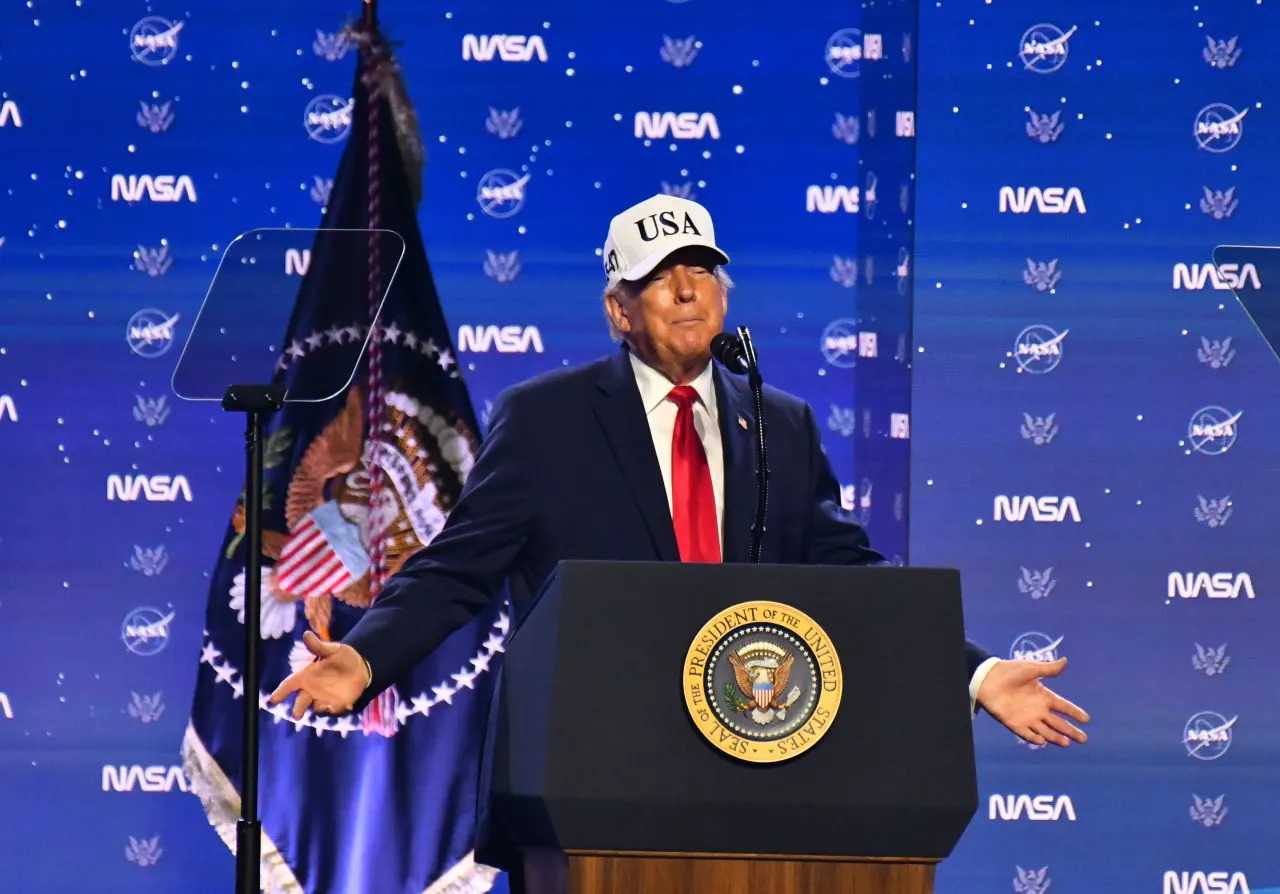
The United States carried out fresh strikes on Iranian air defences on Qeshm Island after attacks on ships in and around the Strait of Hormuz. President Donald Trump described the action as minor, while negotiations between Washington and Tehran continued amid concern over the war’s effect on prices and US politics.
At least 11 ships were attacked in the past week and three sank, according to the UK Maritime Trade Operations. Qatar is mediating a proposal under which the US could lift its Strait of Hormuz blockade and release some frozen Iranian assets, while Iran would allow International Atomic Energy Agency inspectors back to damaged nuclear sites. The US also announced a 20-person task force to restrict Iranian weapons and materials shipments; Central Command said the blockade had trapped $25 billion in Iranian crude oil.
In short
- US strikes hit Iranian air defences on Qeshm Island.
- Talks continue over the nuclear programme and Strait of Hormuz.
- A US blockade is holding up $25 billion in Iranian crude oil.
Steelman: both sides, in good faith
The strongest fair case each way — we don't pick a winner.
The case for
The US can argue that strikes on air defences were a limited response to attacks that endangered shipping, and that preventing further attacks helps protect crews and keep the Strait of Hormuz open. Restricting weapons shipments may also reduce Iran’s capacity to threaten ships, while continued negotiations offer a route to restore nuclear inspections and ease tensions.
The case against
Iran and critics of the strikes can argue that attacking its territory risks widening the war and undermining negotiations, especially when the reported damage and responsibility for each ship attack may be contested. A blockade that traps Iranian oil revenue and a task force restricting shipments may be seen as coercive measures that harm Iran and disrupt trade, making a negotiated settlement harder to reach.
Explained simply
The Strait of Hormuz is a narrow sea route between Iran and Oman that links the Persian Gulf to the wider ocean. A large share of the world’s oil and gas shipments passes through it, so attacks or restrictions there can disrupt trade and affect energy prices.
The United States and Iran have had a long-running dispute over Iran’s nuclear programme and the economic sanctions imposed on the country. The International Atomic Energy Agency, a UN-linked body, inspects nuclear facilities to check what nuclear material is being used for; access to sites damaged in fighting is part of wider efforts to monitor Iran’s programme.
Qeshm is an Iranian island in the Strait of Hormuz, near shipping lanes used by vessels carrying energy and other goods. Qatar has often acted as a go-between in regional diplomacy, while the United States and Iran try to address security, sanctions and nuclear monitoring concerns.
Americas Elections Government Middle East Politics World