Trump considers using largest non-nuclear bomb against Iran as president faces pressure to end the war: report
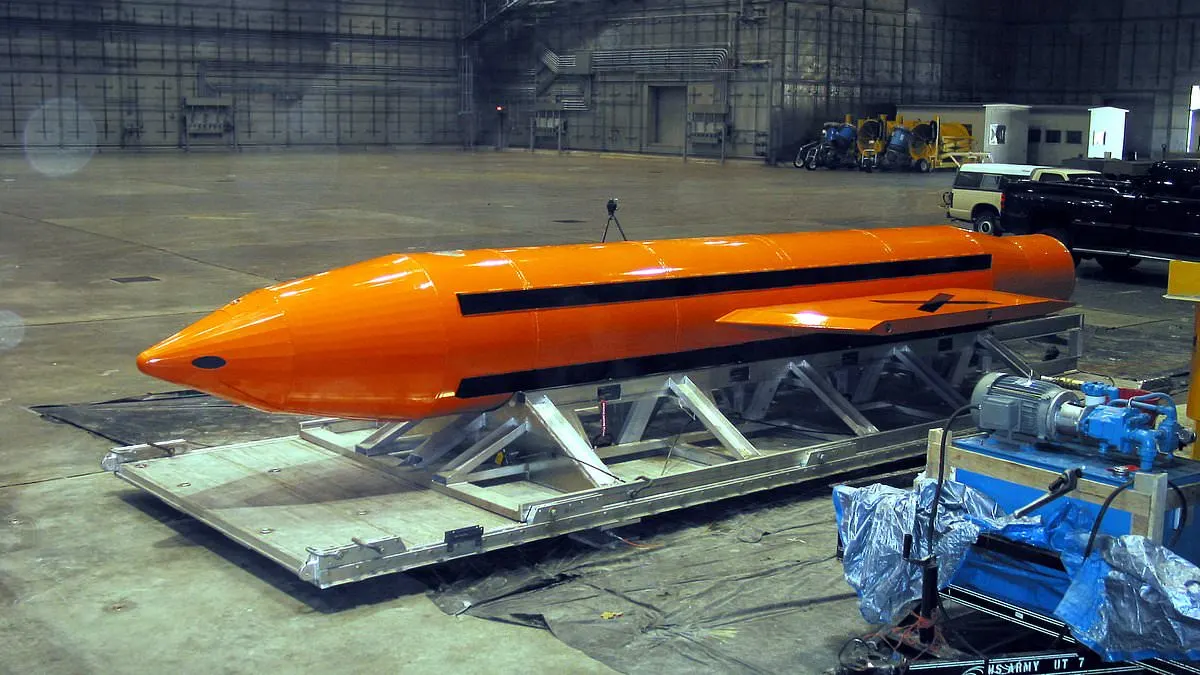
The Pentagon has reportedly drawn up plans for the US to use its largest non-nuclear bomb against Iran, potentially targeting nuclear sites and energy infrastructure. The proposal comes as President Donald Trump faces pressure to end a six-month war and seek a withdrawal he can present as a victory.
The 21,600-pound GBU-43/B Massive Ordnance Air Blast bomb, or MOAB, can devastate a wide area, but experts cited in the report question whether it could destroy deeply buried facilities such as the suspected nuclear complex at Pickaxe Mountain. Officials are said to be weighing its psychological impact, while the blast’s scale raises concerns about civilian harm. Trump has pledged not to resume attacks before November’s midterm elections, though the reported plans could be used before or after them if he authorises renewed combat.
- The Pentagon has reportedly considered using a 21,600-pound MOAB against Iran.
- Experts doubt it could reach deeply buried nuclear facilities.
- Trump faces pressure to end the war while claiming a victory.
New here? Start with this
The United States and Iran have been in a war for six months, involving US attacks and disputes over Iran’s nuclear programme. Nuclear facilities are sites where radioactive materials are processed; some are thought to be built deep underground, making them difficult to reach.
Donald Trump is the US president and commander-in-chief, with authority to order military action. The Pentagon is the US defence department, which plans military operations, while Iran’s government controls the country’s armed forces and nuclear programme.
The GBU-43/B, known as the MOAB, is the largest bomb in the US arsenal that is not nuclear. Its size and blast could cause extensive damage, but whether it could reach underground targets is uncertain; any use would also raise concerns about harm to civilians.
Both sides, in good faith
The strongest fair case each way — we don't pick a winner.
The case for
Supporters could argue that keeping the MOAB option available may strengthen US leverage and deter Iran from continuing or rebuilding activities seen as threatening. If renewed force were authorised, they might contend that striking military or nuclear infrastructure could reduce those threats and give Trump a way to end the war on terms he can present as a success.
The case against
Critics could argue that using a weapon with such a wide blast area risks severe civilian harm, particularly if energy infrastructure is targeted, while experts doubt it could destroy the deeply buried facilities at issue. They may also warn that renewed attacks could widen or prolong the war, undermining the stated aim of ending it and making any withdrawal harder to sustain.