Lauf loses contentious Florida House primary despite Trump backing
Developed over time first seen 2 months ago
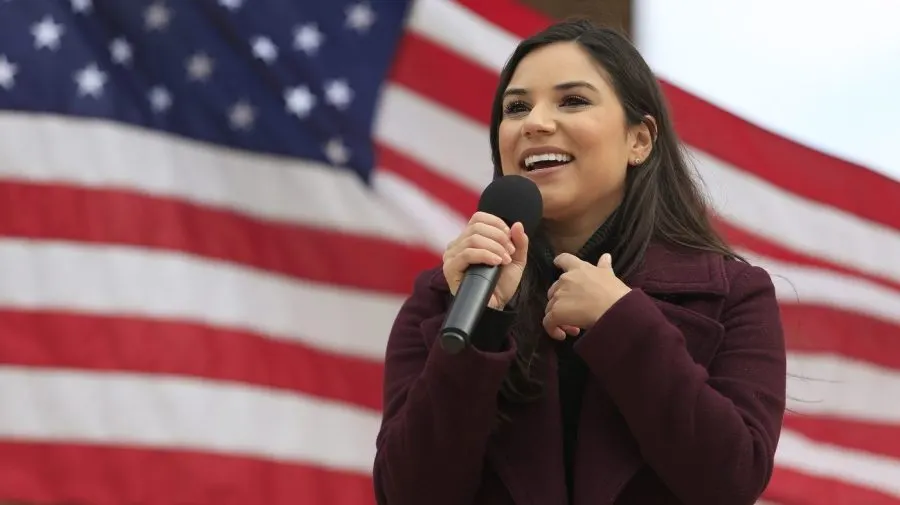
Catalina Lauf, a congressional candidate endorsed by Donald Trump, has lost the Republican primary for the Florida House seat being vacated by Byron Donalds, bringing to a close one of the most bitter primary contests in the state this cycle. The race turned notably ugly after a rival candidate reportedly referred to Donalds, who is Black, as a "slave", prompting a sharp public rebuke from Donalds himself and accusations of race-baiting that dominated coverage of the contest.
The seat became open after Donalds moved to seek higher office, setting off a competitive scramble among Republicans hoping to succeed him. Despite Trump's personal endorsement, Lauf was unable to secure the nomination, with details of the final vote count and the identity of the winning candidate not confirmed in available reporting.
- Trump-backed Catalina Lauf lost the Florida House Republican primary.
- Race turned bitter after a rival called Byron Donalds a "slave".
- Donalds condemned the remark; his open seat prompted the crowded contest.
New here? Start with this
Political parties in the United States choose their candidates for Congress through primary elections, where registered party voters pick who will represent them in the general election. This particular contest is a Republican primary in Florida for a seat in the House of Representatives, one of two chambers of the US Congress, being vacated by Byron Donalds, who is stepping down.
Two Republicans were competing to succeed him: Catalina Lauf, a former US Commerce Department official, and Jim Schwartzel, the president of a broadcasting company called Sun Broadcasting. President Donald Trump, who wields significant influence over Republican primary voters through his endorsements, backed Lauf shortly before the vote.
Trump endorsements are widely seen as a major factor in Republican primaries, often deciding close races in the endorsed candidate's favour. The winner of this primary will go on to represent the Republican Party in the general election for this seat, which is considered safely Republican, meaning the primary result effectively determines who becomes the district's next member of Congress.
Both sides, in good faith
The strongest fair case each way — we don't pick a winner.
The case for
Supporters of reading this as a meaningful setback argue that a presidential endorsement is normally decisive in a GOP primary, so a well-funded, high-profile push from Trump failing against a locally rooted broadcasting executive suggests his coattails are not limitless, especially in low-turnout, low-information primaries where local name recognition and community ties can outweigh a national endorsement. They see it as evidence that voters in this district exercised independent judgement, weighing candidates' local standing and business record over a national figure's preference, which they view as healthy for representative democracy.
The case against
Others argue it is a mistake to read broad significance into a single open-seat primary decided largely by idiosyncratic local factors, such as Schwartzel's pre-existing media profile through Sun Broadcasting and Lauf's comparatively late entry into the race with Trump's endorsement arriving only a week before the vote. They contend that one race in one district cannot be extrapolated into a verdict on Trump's overall influence within the party, and that treating every primary outcome as a referendum on him distorts what is fundamentally a local contest between two Republican candidates.
More coverage
Art Culture Elections Geopolitics Government Politics
Read the full article at the source →
Originally published by The Hill as “Trump-endorsed Lauf loses GOP primary for open Donalds seat in Florida”.