Trump EXPLODES over Iranian cash demands… as secret attack on US water supply unveiled in bombshell report
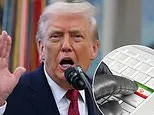
Donald Trump has reportedly reacted furiously to Iranian demands for cash as part of stalled negotiations, at a moment when a covert attack on US water infrastructure has also come to light in a new report. The developments add fresh strain to the already fragile US-Iran relationship and raise questions about the security of American critical infrastructure, coming as Defence Secretary Pete Hegseth faces pressure over delays in replenishing weapons and funds tied to the broader Iran strategy.
The report describes Trump's anger as centred on Tehran's cash demands, which he sees as an obstacle to any peace deal, while separately detailing a previously undisclosed attempt to compromise a US water supply system, understood to be linked to Iranian actors. Officials cited in the piece suggest time is running short for Hegseth to restock weapons and cash reserves as part of the administration's Iran approach, with the twin revelations threatening to derail what had been billed as a potential breakthrough in negotiations.
- Trump reportedly furious over Iran's cash demands in stalled talks.
- Report reveals secret attack targeting US water supply.
- Hegseth under pressure to replace weapons and funds quickly.
Both sides, in good faith
The strongest fair case each way — we don't pick a winner.
The case for
Supporters of Trump's stance argue that Iran's regime has a decades-long record of sponsoring attacks, hostage-taking and sabotage against American interests, and that simply reopening negotiations without acknowledgement or restitution would reward aggression and undermine deterrence. They contend that demanding compensation upholds a principle of accountability, signals resolve to adversaries watching how the US responds, and protects American strategic and economic interests, including freedom of navigation through a vital global shipping chokepoint. From this view, firmness now prevents costlier concessions or renewed provocations later.
The case against
Critics of this approach argue that framing negotiations around historical grievances and financial demands risks derailing practical diplomacy needed to keep the Strait of Hormuz open, which matters enormously for global energy markets and economic stability. They contend that such conditions may be seen by Tehran as humiliating or unrealistic, hardening its position rather than encouraging compromise, and that prioritising symbolic accountability over pragmatic de-escalation could prolong tensions or increase the risk of miscalculation. From this perspective, a more flexible, forward-looking approach better serves long-term security and economic interests than demands rooted in past disputes.