World news and discussion on TalkFuse.
Trump eyes Keystone XL revival
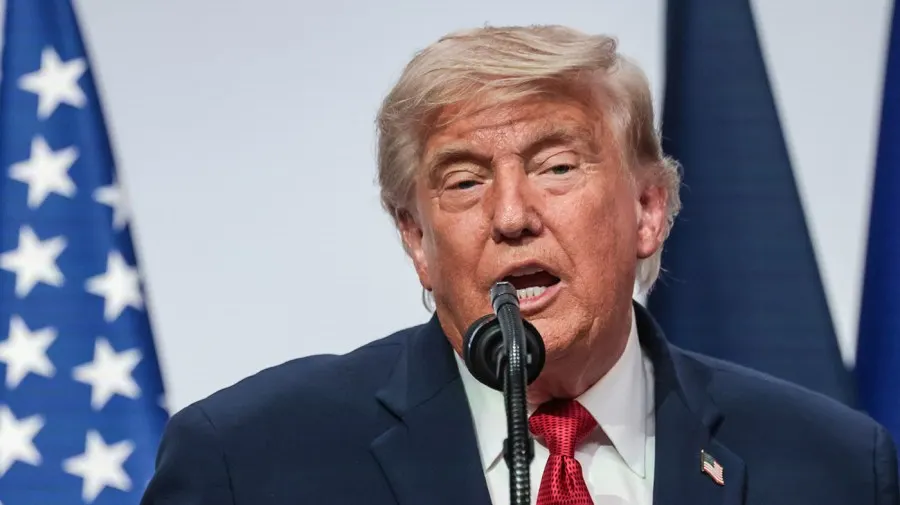
President Trump indicated on Tuesday that reviving the Keystone XL pipeline might form part of a trade deal with Canada, announcing a three-day pause on planned tariffs to allow negotiations to conclude. The pipeline would have transported Canadian crude oil into the United States before its cross-border permit was revoked by President Biden.
The project's original developer TC Energy halted the venture following Biden's action and subsequently divested its liquid pipeline operations to South Bow. The new company stated previously that it had moved beyond the project, suggesting potential obstacles to any revival effort despite Trump's stated interest in resurrecting the undertaking.
In short
- Trump signals Keystone XL pipeline revival could be included in U.S.-Canada trade agreement after pausing tariffs
- Original operator TC Energy abandoned the project following Biden's permit cancellation; successor company previously indicated moving beyond the initiative
Steelman: both sides, in good faith
The strongest fair case each way — we don't pick a winner.
The case for
Supporters contend that reviving Keystone XL would strengthen North American energy security and reduce reliance on geopolitically unstable sources, whilst creating substantial jobs and economic benefits for both the United States and Canada. They argue that modern pipeline infrastructure incorporates robust environmental and safety protections, and that responsible energy development can coexist with environmental stewardship. From this perspective, unlocking Canadian energy resources efficiently serves both nations' economic and strategic interests.
The case against
Opponents argue that expanding fossil fuel infrastructure directly contradicts urgent climate action and international commitments to reduce emissions, locking in decades of carbon-intensive activity precisely when the world must accelerate the transition to renewable energy. They emphasise the pipeline's traversal of sensitive ecosystems and Indigenous territories, contending that the environmental and social costs far exceed short-term economic gains, and that climate-related damages will ultimately prove far more costly than any immediate economic benefits.
Explained simply
Keystone XL was a proposed pipeline to carry crude oil from Alberta, Canada, into the United States, where it could be refined. It was intended to expand the route for moving Canadian oil to US markets.
The project’s cross-border permit was revoked by President Joe Biden, and its developer, TC Energy, then stopped work and sold its liquids pipeline business to South Bow. South Bow has said it has moved on from Keystone XL, which could make any attempt to revive the project more complicated.
The pipeline has become linked to US-Canada trade because it concerns energy exports and infrastructure crossing the border. Any revival would involve companies as well as the two governments.
Americas Environment Government Politics Science World