World news and discussion on TalkFuse.
Trump, Xi and Putin set for unprecedented summit amid global tensions
Developed over time first seen 17 hours ago
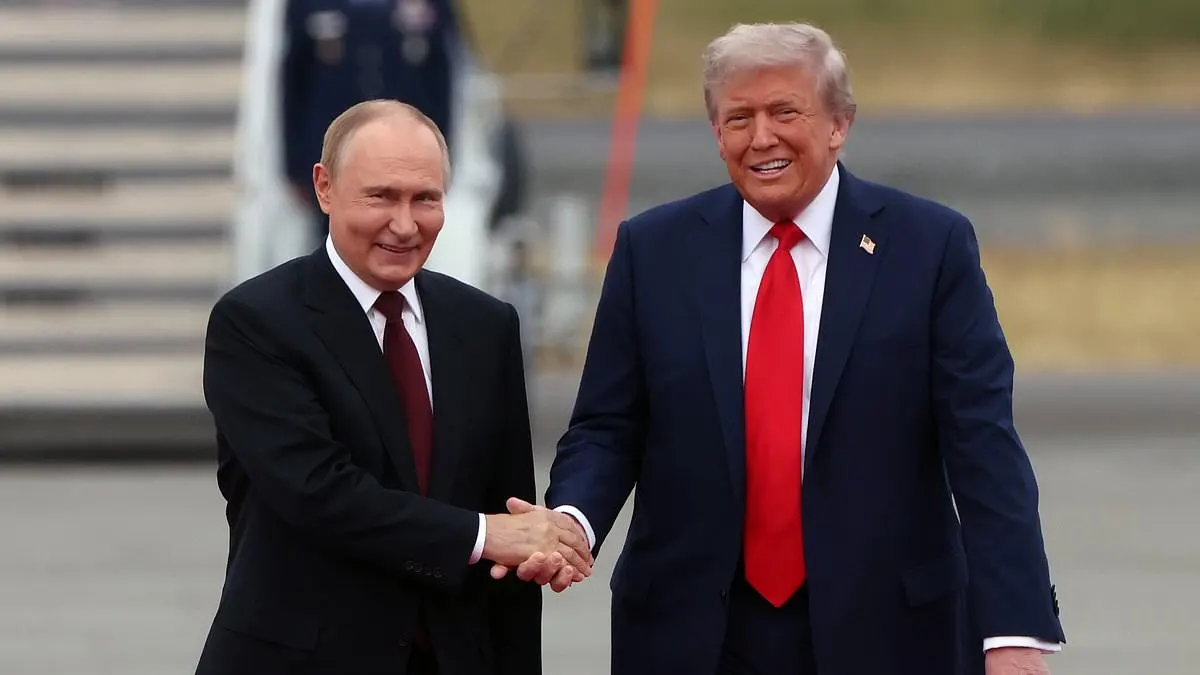
Donald Trump, Xi Jinping and Vladimir Putin were due to hold the first three-way summit between the US, China and Russia on the sidelines of the APEC conference in Shenzhen. The meeting was presented as a chance for Trump to pursue nuclear limits, but it took place amid wars in Iran and Ukraine, a US cyber outage and rising competition over technology and trade.
Trump was also due to meet Xi separately, while experts quoted in the article questioned whether the summit would produce meaningful agreements. They described the leaders as rivals and pointed to tensions over critical minerals, technology and supply chains; the US-China trade truce was set to expire in early January. The article also linked the talks to an investigation into whether advanced Nvidia chips had been diverted to China, alongside allegations involving the company’s former chief executive.
- Sources
- 2
- Outlets
- 2
- Left · Centre · Right
- 0 · 0 · 1
In short
- Trump, Xi and Putin were due to meet for the first time in a three-way summit.
- Experts doubted the talks would secure nuclear limits or major agreements.
- Technology, supply chains and a fragile trade truce shaped the backdrop.
How this story developed
- 9 hours ago The latest account drops the earlier report of an alleged Chinese spy’s links to Nvidia’s former chief executive being investigated, while retaining the expectation of limited progress: Trump was due to seek Xi’s support for nuclear limits, but experts saw little prospect of major agreements amid ongoing rivalry and a trade truce set to expire in early January.
- 16 hours ago Donald Trump, Xi Jinping and Vladimir Putin were due to meet for their first three-way summit on Thursday at the APEC conference in Shenzhen, as wars in Iran and Ukraine, a cyber outage affecting US organisations and questions over Nvidia chips diverted to China formed the backdrop.
Full account
Donald Trump, Xi Jinping and Vladimir Putin are due to meet on the sidelines of the Asia-Pacific Economic Cooperation summit in Shenzhen on 19 November. The reports describe it as the first three-way summit between the leaders of the United States, China and Russia. Trump is also scheduled to meet Xi separately before the joint talks.
The meeting comes amid several strains on Washington. One report places it against the backdrop of wars in Iran and Ukraine, a cyber outage affecting US businesses and government bodies, and scrutiny of whether advanced Nvidia chips were illegally sent to China. It also mentions a scandal involving the company’s chief executive; these details are not addressed in the other report.
The leaders may approach the discussions with different priorities. Trump is reported to want progress on nuclear weapons, while reporting cited by Meduza says Putin may seek an understanding on ending the war in Ukraine on terms favourable to Moscow. The outlets also report that the three countries did not agree a shared agenda. Experts quoted by the Daily Mail doubt that the summit will produce concrete agreements, and warn that Beijing and Moscow could seek concessions while offering little in return.
Before the planned trilateral meeting, Putin and Xi held talks and publicly praised the strength of Russian-Chinese ties. Putin described their foreign-policy coordination as positive and pointed to growing tourism and cooperation; Xi said their relationship would withstand shifts in world affairs. Putin also criticised the European Union’s sanctions and withdrawal from the Russian market, arguing that these decisions were weakening its industrial capacity and competitiveness.
Where outlets differ
From the full account, which is AI-written from the sources:
The Daily Mail report focuses on risks for Trump, including wider geopolitical and US domestic pressures, and quotes experts who frame the summit as a contest between rivals amid economic and technological tensions. Meduza concentrates on Putin’s visit, the leaders’ public remarks, and the reported difference between Trump’s nuclear focus and Putin’s interest in Ukraine.
The Daily Mail says Trump hopes to secure agreement on denuclearisation, while Meduza reports that the priority is to discuss nuclear weapons; these descriptions do not establish that a denuclearisation agreement is likely. Meduza also cites reporting that the countries chose not to set a joint agenda.
The source material gives inconsistent timing: the Daily Mail says Thursday, while Meduza specifies 19 November. Both identify the meeting as taking place alongside the APEC summit in Shenzhen.
Steelman: both sides, in good faith
The strongest fair case each way — we don't pick a winner.
The case for
A three-way summit could give the leaders a rare chance to reduce misunderstanding, discuss shared risks and keep channels open amid wars and economic tensions. Even without a major agreement, direct talks might help preserve the trade truce, clarify concerns about technology and supply chains, or create openings for later negotiations on nuclear limits.
The case against
The meeting may offer little practical benefit while giving rival leaders a platform to press for concessions without making meaningful commitments. With deep disputes over Ukraine, Iran, technology and trade, and no clear reason to expect agreement on nuclear limits, critics could see the summit as producing few results while allowing each government to use it for political advantage.
Explained simply
The United States, China and Russia are major powers whose governments compete over security, trade and influence. Donald Trump leads the US, Xi Jinping leads China and Vladimir Putin leads Russia; their countries also have different relationships with one another, including cooperation between China and Russia.
Their competition affects issues such as nuclear weapons, advanced technology, critical minerals and the supply chains that businesses rely on. The US and China have a temporary trade truce, while the US and Russia remain at odds over Ukraine, and China and the US compete for influence in the region.
Talks between leaders can help manage disagreements, but any agreement depends on what each side is willing to offer. Understanding those differences helps explain why discussions about nuclear limits, trade or technology can matter beyond the countries directly involved.
Coverage · 2 sources
Americas Asia Europe Government Politics World
Read the full article at the source →
Originally published by Daily Mail as “Trump faces Xi and Putin in first-ever showdown… as doomsday blackout and Nvidia spy affair rock US: ‘This is the new Cold War’”.