Trump files Supreme Court petition to toss $83 million E Jean Carroll defamation judgment
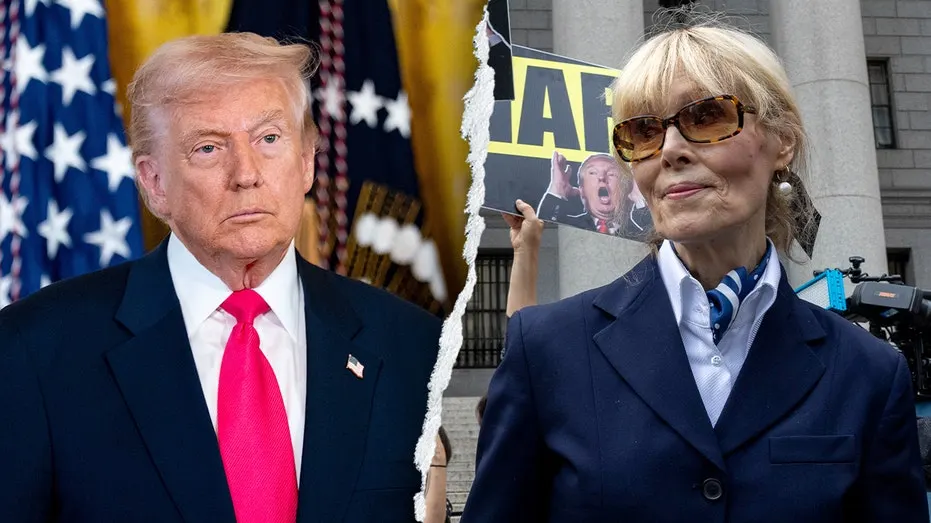
Lawyers for Donald Trump filed a petition with the US Supreme Court on Tuesday seeking to overturn the $83.3 million (£65 million) defamation judgment awarded to writer E. Jean Carroll. The case stems from remarks Trump made about Carroll, a former magazine columnist who accused him of sexual assault, and the substantial award has drawn wide attention as one of the largest personal defamation verdicts against a sitting or former US president.
The filing marks the latest stage in Trump's long-running legal effort to have the judgment quashed, following earlier unsuccessful appeals. Details of the specific grounds cited in the new Supreme Court petition were not fully outlined in the available report, though it confirms the case was brought by Carroll and that the $83.3 million figure remains the sum in dispute.
In short
- Trump asks Supreme Court to overturn $83.3m E. Jean Carroll defamation verdict.
- Petition filed by Trump's attorneys on Tuesday.
- Latest step in ongoing legal fight over the judgment.
Steelman: both sides, in good faith
The strongest fair case each way — we don't pick a winner.
The case for
Trump's legal team contends that the judgment should be overturned, likely citing grounds such as concerns about the proportionality of damages to actual harm caused, potential constitutional questions regarding excessive jury awards, and arguments about whether the statements at issue meet the legal threshold for defamation. They would emphasise the importance of robust protection for public discourse and question whether the remedy is proportionate to any proven injury.
The case against
Those supporting the judgment argue that a jury properly found Trump liable after hearing evidence that he made false statements causing demonstrable harm to Carroll's reputation and career. They contend that the First Amendment does not shield deliberately false statements that damage someone's reputation from legal accountability, and that the award appropriately reflects the severity of proven harm and Trump's broad public platform, providing meaningful deterrence against such conduct.
Explained simply
E. Jean Carroll is a former magazine advice columnist who accused Donald Trump of sexual assault. The allegation related to an incident Carroll said occurred years before these accusations became public.
A jury found that Trump had defamed Carroll through remarks he made publicly in response to her allegations. The court awarded Carroll $83.3 million in damages, one of the largest defamation judgments against any US president or former president.
The significance of the case lies in both its financial scale and the fact that it involves sexual assault allegations against a former US president. Such cases are relatively rare and have drawn considerable public attention.