Politics news and discussion on TalkFuse.
Trump fires Susie Wiles after midterm blowout, names Stephen Miller as new chief of staff
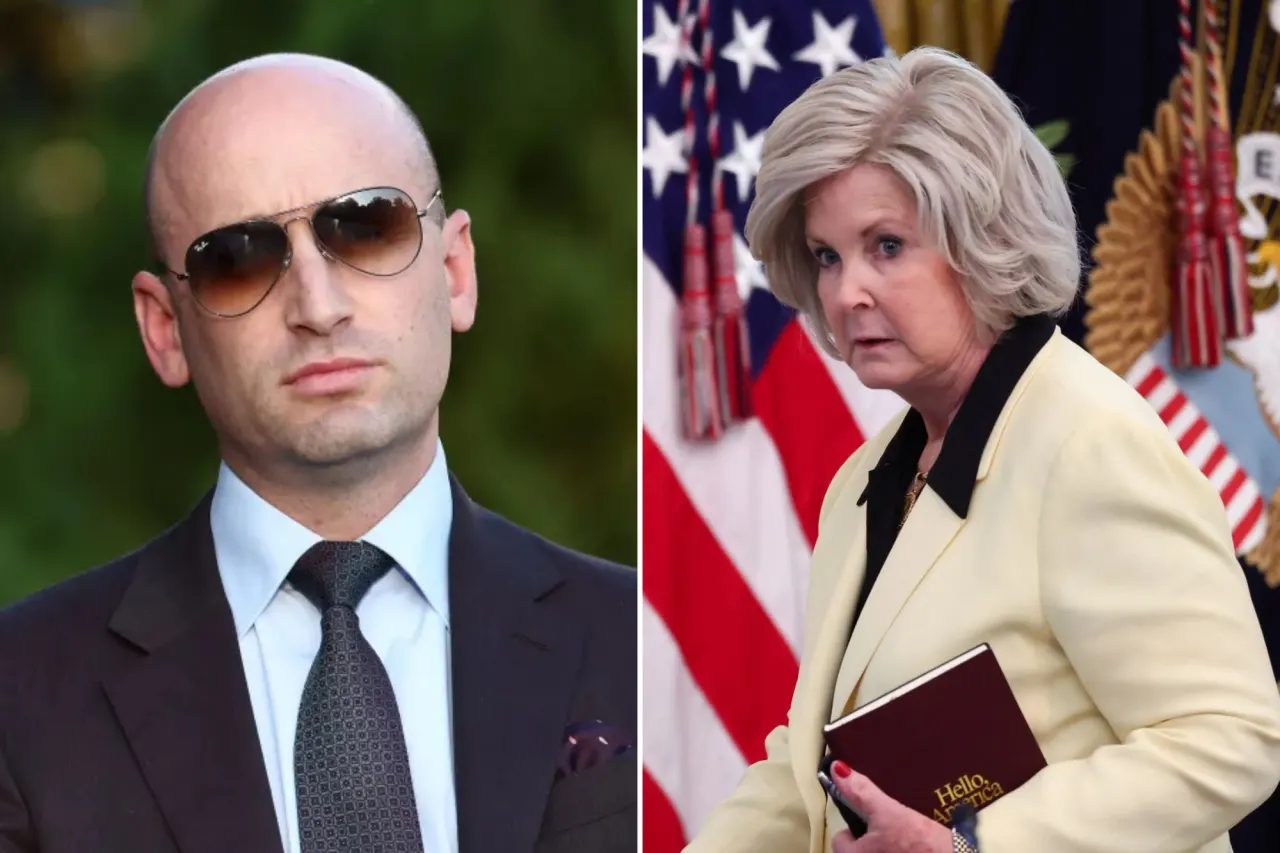
Donald Trump announced that Stephen Miller will replace Susie Wiles as White House chief of staff from 9 November, days after Republicans suffered a landslide midterm defeat. The change signals a more combative approach as the administration prepares to defend its policies and face Democratic congressional investigations next year.
Wiles, 69, managed Trump’s successful 2024 campaign and served 21 months as chief of staff, bringing stability to the West Wing while undergoing breast cancer treatment. Miller, 41, has been deputy chief of staff for policy and worked on issues including mass deportations and the release of declassified UFO files. Wiles is moving to Trump’s political operation; the article also reports that Defence Secretary Pete Hegseth and Central Command chief Brad Cooper could face consequences over the Iran war.
In short
- Stephen Miller will become chief of staff on 9 November.
- Susie Wiles is moving to Trump’s political operation.
- Other officials could face fallout from the midterm defeat.
Steelman: both sides, in good faith
The strongest fair case each way — we don't pick a winner.
The case for
Trump’s strongest case for appointing Miller is that a decisive electoral defeat and looming congressional investigations call for a chief of staff who can enforce priorities and coordinate a forceful response. Miller’s experience shaping policy and his close alignment with Trump could help the administration act more cohesively, while Wiles’s move to the political operation allows her campaign skills to be used elsewhere.
The case against
The strongest case against the change is that Wiles brought proven campaign judgement and stability to the West Wing, and replacing her after a defeat could disrupt experienced leadership when the administration needs disciplined coordination. Miller’s close identification with a combative policy agenda may deepen political conflict and make it harder to build support or manage scrutiny from Congress.
Elections Government Politics World