Sport news and discussion on TalkFuse.
Trump gave Iran a date, not measurable terms
Developed over time first seen 2 weeks ago
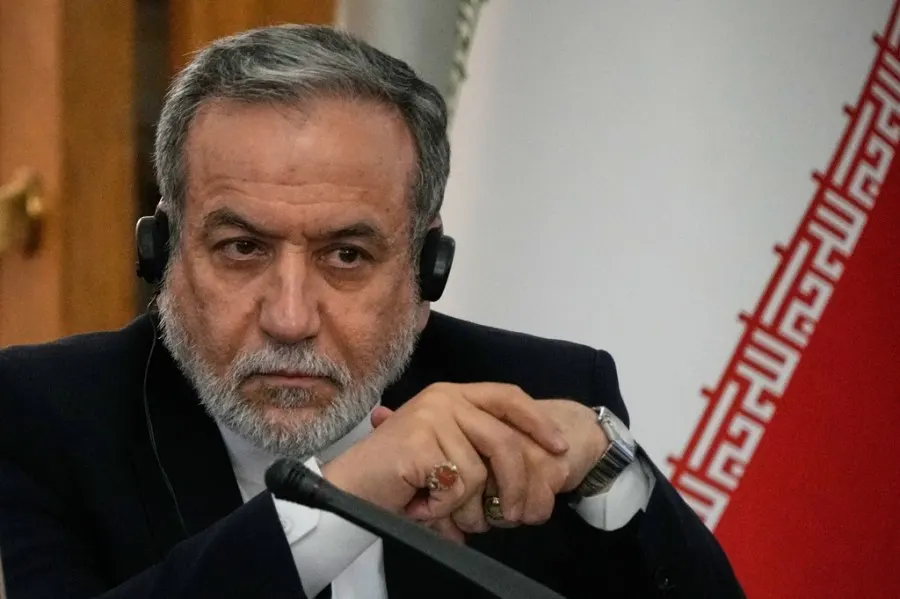
President Donald Trump’s October pause in attacks on Iran was tied to the US midterm election timetable, while a blockade of Iranian ports remained in force. In an opinion article published on 28 October, Charbel A. Antoun argues that the pause set no public, measurable condition for Iran to meet. He proposes three possible first steps: Washington specifying what should happen to Iran’s highly enriched uranium and how that would be verified; Tehran scheduling International Atomic Energy Agency access to named sites; and both sides agreeing rules for incidents involving commercial shipping. These are the writer’s proposals, not agreed terms.
The unresolved uranium stockpile gives the dispute urgency. Before the June 2025 strikes on Iranian nuclear facilities, the IAEA estimated that Iran held about 441 kilograms of uranium enriched to up to 60 per cent. The agency says it has since been unable to verify the stockpile’s current size or whereabouts. Accounting for the material would be one step towards a verifiable agreement, but would leave wider questions about enrichment capacity, sanctions, the blockade and an end to the conflict. Iran says its nuclear programme is peaceful; the central uncertainty is whether either government will turn its demands into commitments that inspectors and the other side can test.
- Sources
- 2
- Outlets
- 2
- Left · Centre · Right
- 0 · 1 · 0
In short
- Trump’s October pause set no public, measurable condition for Iran.
- The IAEA cannot verify where Iran’s previously recorded enriched uranium is now.
- Inspections could provide a first test, but wider disputes remain.
How this story developed
- 2 weeks ago President Donald Trump’s October pause in attacks on Iran was tied to the US midterm election timetable, while a blockade of Iranian ports remained in force. In an opinion article published on 28 October, Charbel A.
- The Hill Trump gave Iran a date, not measurable terms
- International Atomic Energy Agency Verification and monitoring in the Islamic Republic of Iran
Steelman: both sides, in good faith
The strongest fair case each way — we don't pick a winner.
The case for
A pause tied to a clear deadline could create space to prevent further attacks and encourage diplomacy, while keeping pressure on Tehran through the continuing blockade. Given the IAEA’s inability to verify the highly enriched uranium stockpile, supporters could argue that Iran should first provide access and account for the material before sanctions or other pressure are eased.
The case against
A date without public, measurable conditions gives neither side a clear route to compliance or a way to verify progress, and risks making the pause look driven by domestic politics rather than a diplomatic plan. Critics could argue that the US should specify its own demands and verification standards, and agree practical safeguards for commercial shipping, so negotiations offer reciprocal, testable steps rather than open-ended pressure.
Explained simply
The dispute involves Iran’s nuclear programme and the United States’ efforts to limit it. Iran says the programme is peaceful, while the US and other governments have raised concerns about uranium enrichment. The International Atomic Energy Agency (IAEA), the UN’s nuclear watchdog, monitors nuclear activities and verifies reported stockpiles.
Before US strikes on Iranian nuclear facilities in June 2025, the IAEA estimated that Iran had about 441 kilograms of uranium enriched to up to 60 per cent. The agency has since been unable to confirm how much remains or where it is. Knowing what happened to the stockpile would help inspectors assess the situation, but would not settle other disputes over enrichment, sanctions, the blockade or the conflict.
A pause in US attacks and a continuing blockade form part of the wider standoff. Any agreement would need to set out what each side must do and how compliance could be checked, including through IAEA inspections. Such steps are proposals in the article, not terms agreed by Washington and Tehran.
Coverage · 2 sources
Americas Cricket Elections Football Geopolitics Government Middle East Politics Sport World