World news and discussion on TalkFuse.
Trump insists Iran ‘not a war’ FOUR times as 767 troops lie wounded and gas lingers over $4 a gallon
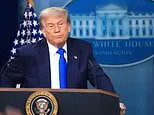
President Donald Trump has again refused to describe the ongoing US military campaign against Iran as a "war", instead repeating four times in the Oval Office that it is a "military conflict" and "small potatoes". His remarks echo comments made a day earlier by Vice President JD Vance, and come despite the conflict entering its seventh month with mounting American casualties and rising fuel prices at home.
According to Department of Defense figures, at least 18 US service members have died and 767 have been wounded since the campaign began in February 2026. Trump compared the toll favourably to past conflicts such as Vietnam and the US operation in Venezuela, in which he said no American lives were lost. He argued that roughly 50,000 US troops deployed to the Strait of Hormuz and intermittent strikes had prevented a wider Israeli-Iranian war from spreading to Europe and the US, despite petrol prices remaining above $4 a gallon.
In short
- Trump again denies Iran conflict is a "war", calls it "small potatoes"
- 18 US troops killed, 767 wounded since February 2026
- Petrol prices remain above $4 a gallon amid ongoing conflict
Steelman: both sides, in good faith
The strongest fair case each way — we don't pick a winner.
The case for
Supporters may argue that “war” carries legal and political implications, so describing the campaign more narrowly could reflect its limited aims and scale compared with past conflicts. They may also say the deployment and strikes have contained a wider regional threat, and that judging the operation requires weighing its costs against the danger it is intended to prevent.
The case against
Critics may argue that a seven-month campaign with 18 US deaths and 767 wounded is a war in any ordinary sense, and that downplaying it as “small potatoes” obscures the human cost and weakens public accountability. They may also question whether the campaign has prevented a wider conflict, particularly as fuel prices remain high, and say leaders should describe its aims, costs and risks plainly.
Explained simply
The United States and Iran have a long history of strained relations, including disputes over Iran’s nuclear programme and US sanctions. The Strait of Hormuz, near Iran, is a key route for oil and gas shipments, so military action there can affect energy supplies and prices.
The US campaign began in February 2026, with American forces deployed near the strait and carrying out strikes. President Donald Trump leads the US government, while Vice President JD Vance is among the senior officials speaking about the campaign; Iran is the other central party.
The distinction between a “war” and a “military conflict” can carry political and legal weight, as well as shape how the public understands US involvement. The reported deaths and injuries among US service members and higher petrol prices make the campaign a domestic issue as well as a foreign policy one.
Americas Cricket Middle East Sport World