World news and discussion on TalkFuse.
Trump inspired a blue revolution. Can Democrats meet the moment? | Dana R Fisher
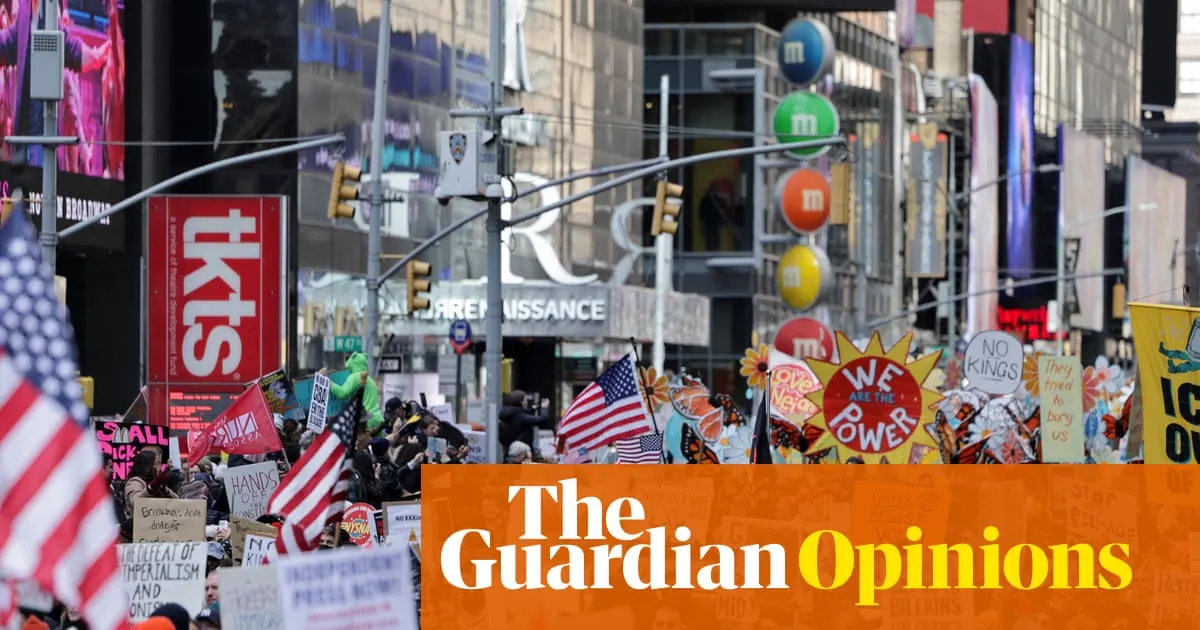
The article argues that resistance to Donald Trump has driven a rise in political participation and helped produce a major Democratic victory in the 2026 midterms. The author describes this as a revolution carried out through elections and civic action, and says the results show voters want social and economic change.
Progressive Democrats won races in several states after campaigning on issues including healthcare, political corruption and inequality. The article says Democrats gained majorities in both houses of Congress, six governorships changed hands, and a record number of democratic socialists were elected. Turnout rose by 10 percentage points in majority-minority counties affected by voting rights changes since 2022, while Texas border counties shifted 35% towards Democrats; the author’s survey also found increased participation in protests, boycotts, town halls and voter protection efforts.
In short
- Democrats made major gains in the 2026 midterms.
- Progressive candidates won on calls for social and economic change.
- Civic participation has risen since Trump took office.
Steelman: both sides, in good faith
The strongest fair case each way — we don't pick a winner.
The case for
The gains and higher civic participation suggest that opposition to Trump helped bring more people into elections and local activism, giving Democrats a mandate to pursue the healthcare, anti-corruption and inequality measures they campaigned on. Supporters may see the results as evidence that organised, peaceful participation can translate public concern into representative change.
The case against
The results may reflect dissatisfaction with the governing party or particular candidates rather than a broad mandate for the author’s preferred social and economic programme. Turnout and state-level shifts also have multiple possible causes, so supporters of a more cautious reading may argue that election results alone cannot show that resistance to Trump caused a lasting political revolution or that voters endorse every policy associated with it.
Explained simply
Donald Trump is a Republican politician who became US president, while the Democratic Party is the country’s other major political party. The two parties compete for elected offices at national and state level, and voters’ choices shape laws and public services.
Political participation includes voting as well as activities such as attending meetings, joining protests and helping people register to vote. Healthcare, inequality and political corruption are recurring issues in US politics, and debates over voting rules can affect how easily people take part.
The story examines whether opposition to Trump has brought more people into politics and how Democratic politicians might respond to their demands. Its wider question is whether greater participation leads to lasting changes in policy and political life.