Trump just brokered a deal with the country sitting atop the world’s largest oil reserves
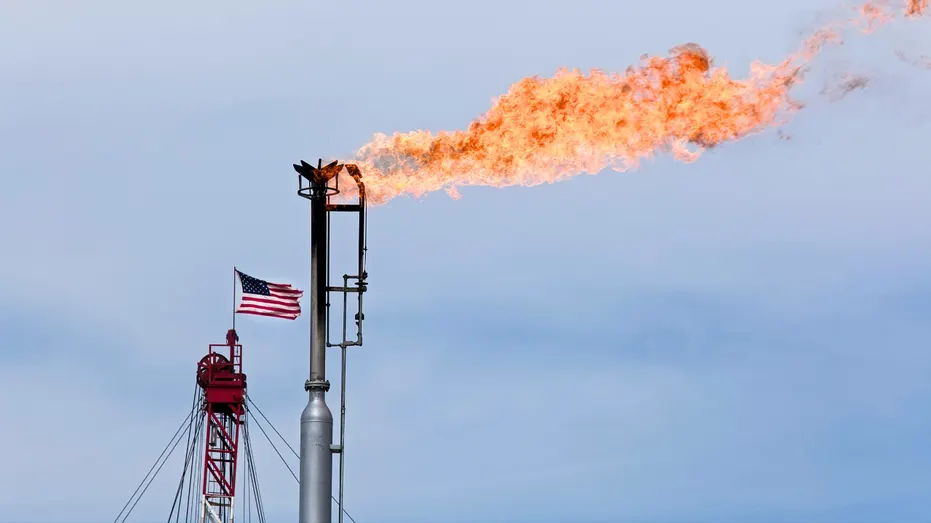
President Donald Trump has announced an oil agreement with Venezuela that could give the United States access to a stake in 17 Venezuelan oil fields holding an estimated 65 billion barrels of crude. The deal is being framed as a significant energy-security gain for Washington, though officials caution that American drivers are unlikely to see any impact on fuel prices in the short term.
Venezuela holds more than 300 billion barrels of crude reserves, around 20% of the world's total and more than Saudi Arabia, yet political instability and crumbling infrastructure mean it currently produces only about 1% of global oil despite sitting on roughly 17% of known reserves. Venezuela's heavy crude is well suited to Gulf Coast refineries, which were built to process such grades, and a steadier supply could diversify US imports, cushion against disruptions and help refill the Strategic Petroleum Reserve, still short of its 714 million-barrel capacity — a concern heightened by the Iran conflict disrupting shipments through the Strait of Hormuz. US petrol prices stood at about $4.07 a gallon on Sunday, up from roughly $3.19 a year earlier, and any relief will depend on how quickly Venezuela can actually ramp up production.
- Trump secures US stake in Venezuelan oil fields holding 65 billion barrels
- Venezuela has world's largest reserves but produces little oil
- Deal aims to boost US energy security, not immediate petrol prices
Both sides, in good faith
The strongest fair case each way — we don't pick a winner.
The case for
Supporters could argue that access to Venezuelan oil would diversify US supplies, reduce exposure to disruptions elsewhere and provide crude suited to Gulf Coast refineries. If investment helps restore production, it could also support energy security and the replenishment of strategic reserves, even if motorists see no immediate price relief.
The case against
Critics could argue that the deal’s benefits are uncertain because Venezuela’s political instability and degraded infrastructure make a rapid production increase difficult. They may also question whether relying on a politically fraught arrangement is a dependable route to energy security, especially when the promised supply is unlikely to ease petrol prices soon.