Trump makes astonishing U-turn with new vow not to attack Iran before midterms as he insists blockade remains in ‘full force’
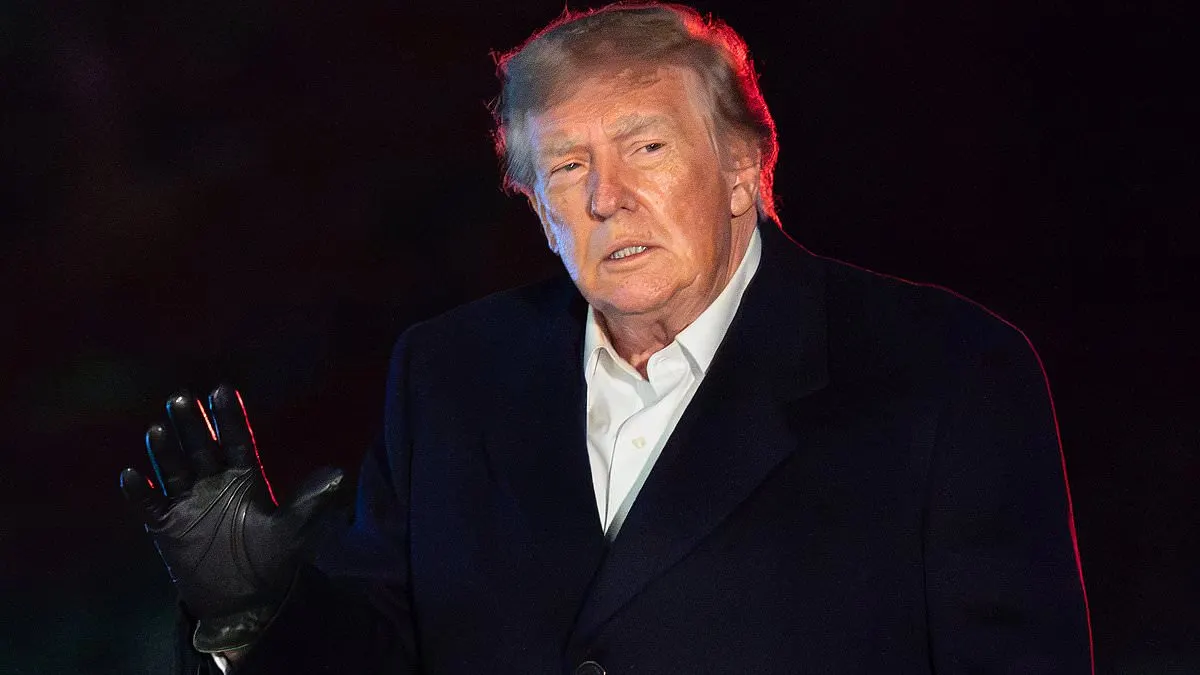
President Donald Trump said the United States would not strike Iran before the midterm elections on 3 November, despite reports that the Pentagon was preparing new attack options. The announcement appears to reverse course on the possibility of renewed military action and comes as Washington and Tehran remain deadlocked in talks.
Trump said discussions with Iran were productive and that the US blockade remained in “full force”, while claiming Iran’s economy and military had been weakened. Brent crude briefly rose above $105 a barrel amid reports of potential strikes, then fell by several dollars after Trump’s statement. The conflict has pushed up fuel costs and added to voters’ concerns about inflation; the scale and targets of any possible strikes remain under discussion.
- Trump ruled out strikes on Iran before 3 November.
- The Pentagon had reportedly been preparing new attack options.
- Oil prices eased after his announcement.
New here? Start with this
Relations between the United States and Iran have been tense for many years, with disagreements over Iran's nuclear programme and regional influence at the heart of the conflict. The United States government has pursued a strategy of economic pressure through comprehensive sanctions.
To weaken Iran economically, the United States has maintained a blockade that restricts the country's access to international markets and financial systems. This approach is intended to undermine Iran's ability to develop its military, but it also affects the global oil supply, and concerns about potential disruption have driven up fuel prices worldwide, contributing to inflation worries.
Tensions between the two countries periodically raise fears of military confrontation, which would have serious consequences for international stability. The possibility of conflict in the region affects fuel costs and economic concerns well beyond the two nations directly involved, making developments in this dispute significant for people across the world.
Both sides, in good faith
The strongest fair case each way — we don't pick a winner.
The case for
Proponents of avoiding military strikes argue that kinetic action against Iran carries grave risks—potential civilian casualties, regional destabilisation, and escalation that could undermine broader strategic interests. Diplomatic engagement, though difficult, offers a more sustainable resolution than military conflict. The economic blockade provides effective pressure without catastrophic consequences. Furthermore, conducting strikes before midterms risks appearing politically motivated, damaging military credibility. Given voter concerns about inflation and fuel costs, military action would likely push oil prices higher, worsening domestic economic hardship.
The case against
Those favouring military readiness contend that Iranian behaviour demonstrates restraint is interpreted as weakness, emboldening further aggression and nuclear proliferation. If Iran's nuclear ambitions and proxy activities genuinely threaten regional stability, delay merely allows these threats to mature unchecked. The blockade alone has proven insufficient to alter Iranian negotiating positions or halt dangerous activities. Credible military options remain essential leverage in diplomacy; removing them signals weakness. Electoral timing should not override genuine strategic assessments of threats, and postponing military options purely for political reasons undermines both deterrence and negotiating credibility.