Culture news and discussion on TalkFuse.
Trump nominates Project 2025 author to be Interior Department watchdog
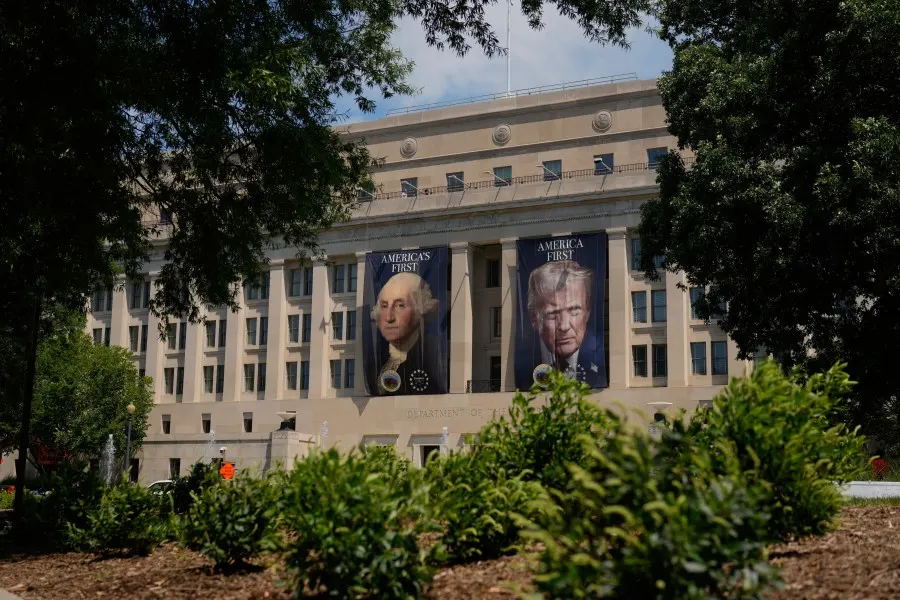
President Trump has nominated Dennis Kirk, a former White House official and contributor to the conservative Project 2025 programme, to become inspector general at the Department of the Interior. The role is intended to independently investigate waste, fraud and misconduct within the department, so the nomination has prompted concerns about whether a politically aligned appointee could preserve the office’s independence.
Kirk worked in the White House Office of Personnel Management during Trump’s first term and co-authored a Project 2025 chapter advocating a major decentralisation and privatisation of government. His nomination follows Trump’s dismissal of Interior’s previous inspector general, Mark Greenblatt, alongside numerous other federal watchdogs in January 2025; Greenblatt has said overt political leanings in such a role could affect investigations and discourage whistleblowers. The appointment requires Senate confirmation.
In short
- Trump nominated Project 2025 author Dennis Kirk as Interior’s inspector general.
- Critics question whether the watchdog office can remain independent.
- The nominee would replace a watchdog dismissed in Trump’s January purge.
Steelman: both sides, in good faith
The strongest fair case each way — we don't pick a winner.
The case for
The President has legitimate authority to appoint officials who share his governance vision and policy priorities. Kirk's previous White House experience demonstrates competence in government administration, and conservative principles like decentralisation and efficiency are substantive policy positions rather than mere partisanship. An inspector general who understands and supports the administration's policy direction may conduct more effective oversight aligned with those values, and Senate confirmation provides a constitutional check on executive appointment authority.
The case against
Inspector general offices are specifically designed to provide independent oversight and investigate wrongdoing impartially, a function fundamentally compromised when the appointee is ideologically committed to advancing particular policy outcomes like privatisation and decentralisation. The pattern of dismissing multiple inspectors general suggests an attempt to politicise these independent offices, and whistleblowers are unlikely to come forward if they fear the inspector general prioritises political loyalty over accountability. Institutional independence is a crucial constitutional check on executive power and cannot function if appointees are selected primarily for ideological alignment.
Explained simply
The Department of the Interior manages federal lands and resources, including national parks, wildlife and energy development. Its inspector general is an independent watchdog who investigates possible waste, fraud and misconduct within the department and reports findings to officials and Congress.
Dennis Kirk is a former White House official who contributed to Project 2025, a conservative programme that proposed changes to the federal government. The watchdog’s independence matters because investigations can involve decisions by department officials, and employees may be less willing to report concerns if they doubt the office is impartial.
The inspector general is appointed by the president and must be confirmed by the Senate. That confirmation process gives senators a role in assessing a nominee’s qualifications and independence.
Art Culture Government Politics