Trump officials warn decades-long decline among American men could carry national security consequences
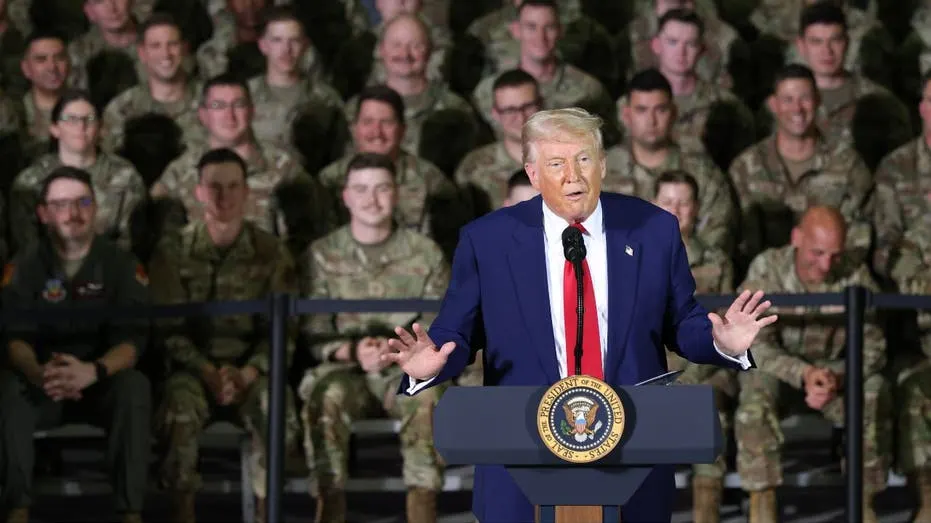
The Trump administration has introduced screening for testosterone deficiency among male service members aged 30 and over, citing concerns about military readiness and men’s health. Officials say a shrinking pool of young people meets service requirements, though the causes of falling testosterone levels remain uncertain.
The Pentagon’s September guidance starts with checks for symptoms and risk factors, followed by testing and possible treatment when medically appropriate. HHS official Adm. Brian Christine said the average testosterone level for American men had fallen from above 650 in the mid-1970s to around 350; he also said 77% of Americans aged 17 to 24 do not qualify for service without a waiver, and about 3% express interest. NIH Director Jay Bhattacharya said research is needed into the decline and how to guide treatment.
In short
- Pentagon screening targets testosterone deficiency in male service members aged 30 and over.
- Officials link men’s health concerns to military readiness.
- Researchers say the causes of falling testosterone levels remain unclear.
Steelman: both sides, in good faith
The strongest fair case each way — we don't pick a winner.
The case for
Screening could help identify a treatable health problem among service members and support their wellbeing as well as military readiness. Given officials’ concerns about the number of young people eligible and interested in serving, investigating possible contributors to declining testosterone and gathering better evidence may be prudent, provided treatment is based on individual medical need.
The case against
The causes and significance of the reported testosterone decline are uncertain, so linking it to national security risks may overstate what the evidence shows. Screening and treatment could medicalise normal variation or expose service members to unnecessary interventions, while diverting attention from other factors affecting recruitment and fitness; research should establish the risks and benefits before policy expands.