Trump pauses Iran war amid warnings about stockpiles
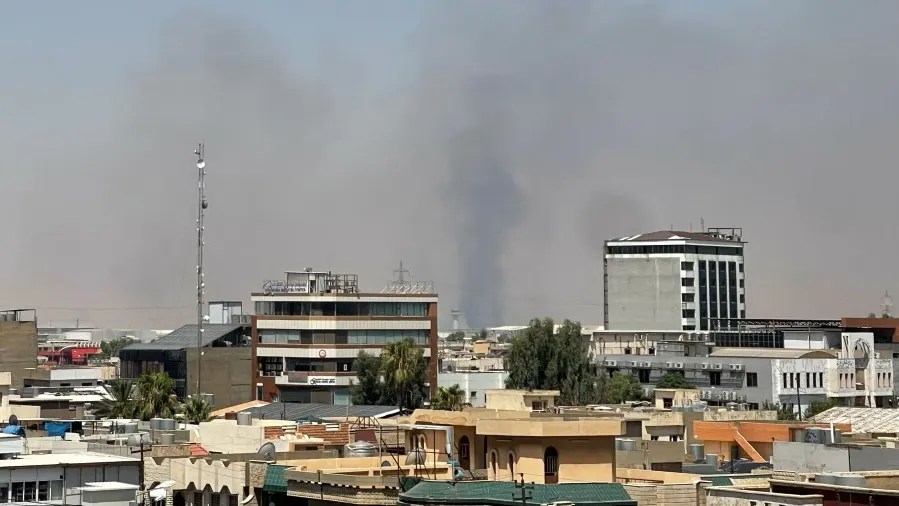
President Donald Trump has paused US strikes on Iran after nearly two weeks of attacks, while diplomatic efforts seek to prevent renewed wider conflict. The move matters because it offers a potential route to de-escalation, but also highlights concerns about the sustainability of US military operations.
Officials reportedly warned Trump that escalating the campaign could further deplete stocks of air-defence interceptors and other munitions needed to protect US forces and regional partners from Iranian missiles and drones. The pause followed 13 consecutive days of strikes; the administration says it is allowing space for negotiations, while maintaining that military action could resume if talks fail.
In short
- US strikes paused after 13 days of attacks.
- Munitions stockpiles reportedly influenced the decision.
- Diplomacy continues, but escalation remains possible.
Steelman: both sides, in good faith
The strongest fair case each way — we don't pick a winner.
The case for
Supporters of the pause contend that sustaining indefinite military strikes risks unsustainable depletion of critical defensive munitions needed to protect forces and allies, whilst drawing the US into an escalatory cycle that could spiral into broader conflict. They argue that creating space for diplomacy, backed by demonstrated military capability, offers the best prospect for a negotiated settlement and genuine de-escalation rather than perpetual rounds of strikes and retaliation.
The case against
Critics argue that pausing removes the military leverage necessary for successful negotiations with Iran, which has historically used truces to rebuild capabilities and regroup. They contend that consistent pressure, not intermittent strikes followed by pauses, is what credibly constrains Iranian behaviour and deters further escalation. Without continued momentum, they warn, Iran will interpret the pause as weakness and accelerate weapons development whilst preparing for renewed conflict.
Explained simply
Tensions between the United States and Iran have escalated into direct military conflict in recent weeks. The Trump administration has carried out nearly two weeks of sustained strikes on Iranian targets, marking a significant military escalation between the two countries.
The decision to pause these attacks stems partly from concerns within the American military about resources. Extended military campaigns require vast quantities of ammunition, missiles and defensive systems, and senior officials have cautioned that continuing strikes risks depleting the stocks needed to protect American forces and regional allies.
The pause creates space for diplomatic efforts aimed at preventing further escalation. However, it also reveals an underlying strategic dilemma: the longer military operations continue, the more difficult it becomes to sustain them if negotiations fail, which constrains America's options should the conflict resume.
Business Government Markets Middle East Politics World