Trump pick to lead FDA was architect of Joe Rogan-backed policy to promote psychedelics
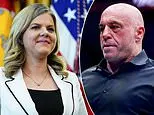
Donald Trump's pick to head the US Food and Drug Administration has been named as the architect of a push, backed publicly by podcaster Joe Rogan, to promote wider access to psychedelic drugs. The appointment is notable because it signals a potential shift in the FDA's approach to psychedelics, which have traditionally been tightly restricted under US federal drug law, and comes amid growing mainstream interest in their therapeutic use for conditions such as depression and PTSD.
The article itself provides very limited detail beyond the headline, focusing mainly on the individual's past role in shaping policy that encouraged greater openness to psychedelic substances, with Rogan's endorsement highlighted as lending the effort a high public profile. No further specifics on the nominee's identity, the exact policy in question, or the FDA's likely next steps are given in the available text.
- Trump's FDA pick previously helped shape a pro-psychedelics policy push.
- Podcaster Joe Rogan had backed that psychedelics-promoting effort.
- Move suggests possible shift in FDA stance on psychedelic drugs.
New here? Start with this
Psychedelic drugs such as psilocybin (found in "magic mushrooms") and MDMA have been classified as illegal, high-risk substances under US federal law for decades, with no accepted medical use officially recognised. In recent years, though, researchers and advocates have argued these drugs show promise in treating conditions like depression, PTSD and addiction, leading to a slow shift in scientific and public attitudes. The Food and Drug Administration (FDA) is the US government body that decides whether new medicines, including psychedelic-based treatments, can be approved for use.
Joe Rogan, a hugely popular podcaster, has used his platform to voice support for loosening restrictions on psychedelics, giving the issue unusually wide public visibility outside typical medical or policy circles. Donald Trump, now shaping his administration's health appointments, has picked someone to lead the FDA who was previously involved in developing policy encouraging greater access to these drugs.
This matters because whoever heads the FDA has significant influence over which treatments get approved, how strictly drugs are regulated, and how quickly new therapies reach patients. A nominee with a background in promoting psychedelic access could signal a change in direction for an agency that has historically been cautious about these substances, affecting patients, researchers and the wider debate over drug policy in the US.
Both sides, in good faith
The strongest fair case each way — we don't pick a winner.
The case for
Supporters argue this appointment reflects a welcome, evidence-led shift after decades in which promising research into psychedelics for depression, PTSD and addiction was stalled by outdated stigma rather than scientific concern. They point to encouraging clinical trial data, the suffering of veterans and others for whom conventional treatments have failed, and the value of a regulator willing to move quickly and pragmatically rather than being bound by inertia. For these advocates, having someone who has actively championed this field is a strength, not a conflict, since it signals genuine expertise and conviction that patients deserve faster access to potentially transformative therapies.
The case against
Critics counter that the FDA's core value is dispassionate, rigorous evaluation of evidence, and that appointing someone already publicly committed to promoting psychedelics risks compromising that impartiality before they even take office. They worry about safety signals that remain poorly understood at scale, the potential for premature approval driven by advocacy and celebrity endorsement rather than robust long-term data, and the precedent set when regulatory leadership is drawn from campaigners rather than neutral scientific arbiters. For these sceptics, the concern is not psychedelics themselves but the erosion of the FDA's credibility as an impartial gatekeeper if it is led by someone with a prior public stake in the outcome.