Democratic senator Fetterman endorses Republican McCormick at GOP convention
Developed over time first seen 2 months ago
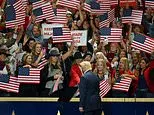
Democratic Senator John Fetterman of Pennsylvania delivered a surprise video message at the Republican Party's inaugural midterm convention, praising President Donald Trump and endorsing Republican Senator Dave McCormick's re-election bid while rejecting what he called the Democratic Party's "extremes and socialism." Speaking in front of a steel mill, Fetterman said he was proud to work with McCormick and Trump to defend Pennsylvania's steel industry, calling McCormick "a different party" but "my great friend." The appearance, unusual for a sitting Democratic senator at a rival party's event, underlined Fetterman's deepening estrangement from Democratic leadership and the party's left wing.
Fetterman and McCormick previously contested the 2022 Senate race, which Fetterman won, but have since built an unusually close bipartisan relationship, including forming a joint fundraising committee in July. Fetterman has repeatedly broken with his party over Israel, immigration and Trump's military action against Iran, remaining one of the Senate's most outspoken Democratic defenders of Israel, and has said he would consider quitting the party if it became "anti-Israel," though he has given no indication he intends to switch sides. His endorsement gave Republicans a high-profile Democratic voice to showcase as evidence of a broadening coalition ahead of the November midterms.
- Sources
- 4
- Outlets
- 2
- Left · Centre · Right
- 0 · 0 · 4
In short
- Fetterman, a Democrat, endorsed Republican rival Dave McCormick's Senate bid.
- He praised Trump and criticised Democratic "extremes and socialism."
- Move highlights Fetterman's growing rift with Democratic leadership.
How this story developed
- 2 months ago The focus shifted onto Trump himself, who used his appearance at the same Dallas convention to pledge a $5,000 "dividend" for American adults should Republicans retain control of Congress, with commentary now framing Fetterman's cross-party endorsement and Thune's absence as evidence of strain within both parties.
- 2 months ago Democratic Senator John Fetterman delivered a surprise video message to the Republican Party's inaugural midterm convention in Dallas, praising Donald Trump, endorsing Republican Senator Dave McCormick's re-election and denouncing his own party's "extremes and socialism", against a backdrop of a subdued gathering that Senate Majority Leader John Thune skipped amid friction with Trump.
- Fox News Dem senator delivers surprise video at Republican convention backing McCormick
- Daily Mail Sign fail at Republican midterm convention as speakers’ podium suffers unfortunate mishap
- Fox News Fetterman teases where his true loyalty lies after surprise appearance at GOP convention
- Daily Mail Trump gets hero’s welcome by rowdy MAGA partiers as he kicks off first-ever GOP midterm convention… with several glaring absences
Full account
Democratic Senator John Fetterman of Pennsylvania made a surprise appearance in video form at the Republican Party's first-ever midterm convention in Dallas on Wednesday, praising his Senate colleague Dave McCormick, a Republican, and declaring that he rejected what he called the Democratic Party's drift towards "extremes and socialism". Speaking to camera in front of a steel mill, Fetterman described McCormick as a senator who "gets the job done" and pledged continued cooperation with him and President Donald Trump in defence of Pennsylvania's steel industry, calling it central to the state's identity.
The appearance immediately fuelled speculation that Fetterman might be preparing to defect from the Democrats altogether, prompting him to issue a clarifying statement insisting he remained committed to his party. He told reporters that he and McCormick simply represented "Team PA" despite their differing affiliations, and stressed that he was "a lifelong Democrat" who would remain the decisive 51st vote he was elected to be, should Democrats retake the Senate majority in November. The two men were rivals in 2022 — Fetterman defeated Mehmet Oz in the general election that year, while McCormick lost the Republican primary — but have since built an unusually close working relationship, going as far as forming a joint bipartisan fundraising committee over the summer.
The episode is the latest sign of Fetterman's uneasy standing within his own party. He has repeatedly broken ranks with Democratic leadership on issues including support for Israel, immigration enforcement, Trump's strikes on Iran, and last autumn's government shutdown, where he sided with Republicans to end the impasse. His position has been further complicated by a report citing leaked text messages that suggested he had neglected some duties of his office, intensifying calls from within his party for him to be pushed out. Senate Republicans, including Majority Leader John Thune, have said they would welcome him into their ranks, though Fetterman has given no indication he intends to switch parties, saying previously he would only consider leaving if Democrats became what he termed "the anti-Israel party".
Fetterman's video was one element of a two-day gathering in Dallas dominated by Trump, who used his opening-night address to urge Republicans to treat the midterms as a referendum on his own presidency and floated an unfunded pledge to issue a $5,000 payment to every American adult if the party retained control of Congress. He also repeated his false claim to have won three presidential elections, endorsed the embattled Texas Senate candidate Ken Paxton, and used crude language to criticise Democratic arguments against voter identification laws. Coverage of the convention varied in focus: some outlets concentrated on the substance and political implications of Fetterman's endorsement and his fraught relationship with Democratic leadership, while others gave more attention to Trump's speech and a series of minor mishaps overshadowing the event, including a letter falling off a convention sign and an emergency slide accidentally deploying on Air Force One shortly before Trump's arrival.
Where outlets differ
From the full account, which is AI-written from the sources:
Sources 3 and 4 (both Fox News) lead on the Fetterman/McCormick story but frame it differently: Source 3 emphasises speculation that Fetterman could defect and portrays his statement as drawing a 'hard line', while Source 4 is more measured, stressing that the appearance 'does not mean' he is switching parties.
Sources 1 and 2 (Daily Mail-style) barely mention Fetterman at all, instead focusing on Trump's convention speech (the $5,000 dividend pledge, 2020 election claims, Paxton endorsement) and on embarrassing logistical mishaps (a falling letter on a sign, an Air Force One slide malfunction), giving the event a more critical, colour-driven treatment.
Source 1 highlights the political weakness underlying Trump's bold pledges, noting Senate Majority Leader John Thune's absence from the speaker list as a sign of strain, whereas Source 3 quotes Thune positively, saying Republicans would welcome Fetterman into their conference.
Only Source 3 details the leaked-text controversy and internal Democratic push to oust Fetterman in depth; Source 4 mentions his broader dissent from party positions (Israel, immigration, Iran) but with less emphasis on the internal backlash.
Steelman: both sides, in good faith
The strongest fair case each way — we don't pick a winner.
The case for
Supporters of Fetterman's move would argue that a senator's first duty is to their constituents and conscience, not to party discipline, and that his willingness to praise bipartisan achievements, such as protecting Pennsylvania's steel industry, reflects genuine cross-party cooperation rather than opportunism. They would note that he has been consistent in his positions on Israel, immigration and Iran well before this appearance, suggesting principled independence rather than a sudden political calculation. From this view, endorsing a well-regarded working relationship with McCormick, despite party labels, models the kind of pragmatic, results-focused politics many voters say they want, and his rejection of what he sees as his party's more extreme currents is a legitimate expression of centrist conviction rather than betrayal.
The case against
Critics, including many within his own party, would argue that a sitting Democratic senator publicly praising a Republican president and endorsing a Republican colleague at the opposing party's convention undermines the trust of the voters and party structure that elected him, especially so close to a consequential midterm election. They would contend that even genuine policy agreement on issues like steel tariffs does not require such a visible, symbolically charged gesture, which Republicans can and did use as evidence of Democratic disunity to their own political advantage. From this perspective, elected officials owe some measure of loyalty and message discipline to the coalition that empowered them, and repeated public breaks, culminating in this appearance, risk normalising defections that weaken party cohesion at a moment when unity may matter most to those who share the party's broader goals.
Explained simply
Fetterman is a Democratic senator from Pennsylvania who has become known for repeatedly breaking with his own party, particularly over Israel, immigration and Trump's handling of Iran. He shares the state with Dave McCormick, a Republican senator who beat a Fetterman-backed candidate in a bitterly fought 2022 race but has since built an unusually close working relationship with him, including on efforts to support Pennsylvania's steel industry.
The GOP convention in Dallas was the Republican Party's first midterm gathering ahead of the November elections, when control of Congress is at stake. Such events are normally used to rally the party's own supporters, so an appearance by an opposition senator is unusual and was seized on by Republicans as a sign of discord among Democrats.
This matters because Fetterman's standing within his own party has been strained for some time, and moments like this feed into a wider debate about unity and direction within the Democratic Party heading into the midterms, even though he has not indicated any intention to leave it.
Coverage · 4 sources
Bias meters
From 4 rated sources.
- Daily MailRightTrump gets hero’s welcome by rowdy MAGA partiers as he kicks off first-ever GOP midterm convention… with several glaring absences
- Daily MailRightSign fail at Republican midterm convention as speakers’ podium suffers unfortunate mishap
- Fox NewsFar rightFetterman teases where his true loyalty lies after surprise appearance at GOP convention
- Fox NewsFar rightDem senator delivers surprise video at Republican convention backing McCormick
Art Culture Elections Geopolitics Government Politics World