Business news and discussion on TalkFuse.
Trump pledges sweeping pardons including most-junior White House staff as panic about Democratic takeover spreads
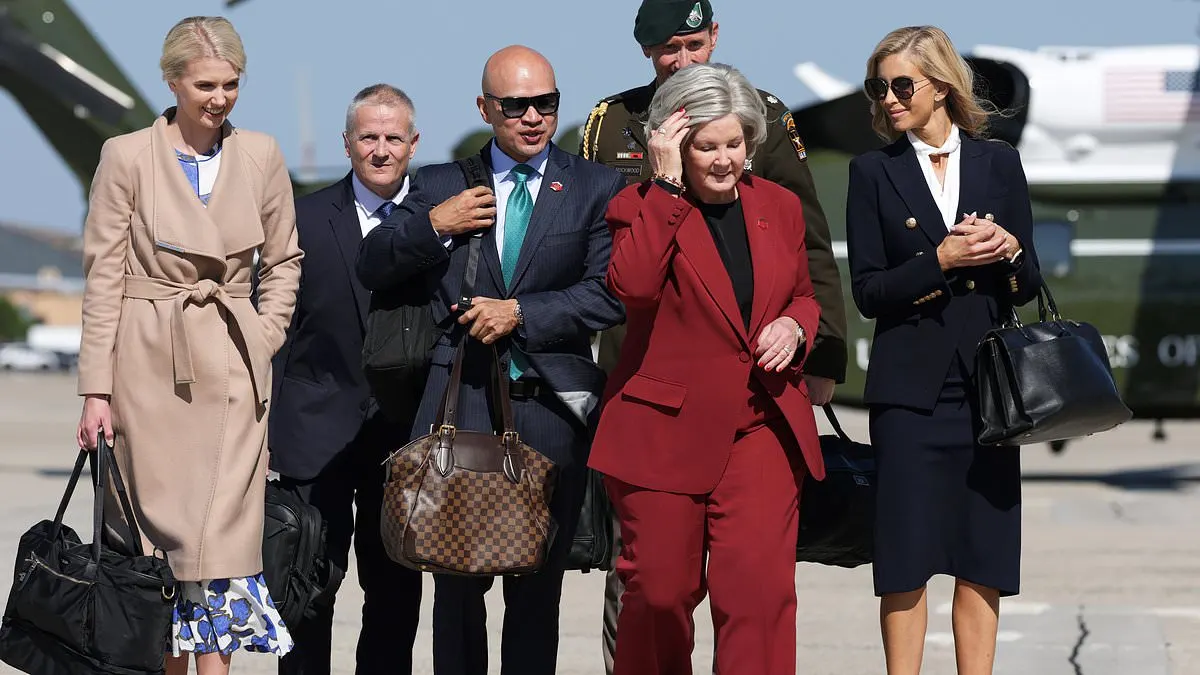
Donald Trump says he would pardon everyone who has worked in his administration, including junior White House staff, if Democrats take control of Congress. The pledge comes as Democrats signal investigations into his administration, its policies and people close to him, raising concerns among officials about legal costs and scrutiny.
A pardon can protect against federal prosecution, but it cannot stop congressional investigations, state charges, civil claims or impeachment. It may also remove a recipient’s right to refuse testimony on Fifth Amendment grounds, while lies under compelled questioning could create new criminal exposure. The article says the White House counsel’s office has hired more lawyers, some junior officials are buying legal insurance, and Trump has set aside money through his super PAC for legal fees.
In short
- Trump says he would pardon all administration staff if Democrats take Congress.
- Pardons cannot block congressional investigations or state prosecutions.
- Officials are preparing for legal costs and possible testimony.
Steelman: both sides, in good faith
The strongest fair case each way — we don't pick a winner.
The case for
Supporters could argue that a broad pardon pledge offers reassurance to public servants who may face costly or politically motivated scrutiny for carrying out their duties. They may see it as a way to ensure junior staff are not left to bear legal risks alone while Congress investigates the administration.
The case against
Critics could argue that promising pardons in advance risks shielding misconduct from accountability and blurring the line between public service and personal loyalty. Because pardons cannot halt congressional or state inquiries, the pledge may also offer staff false reassurance while complicating their ability to refuse testimony.
Explained simply
Congress is the part of the US government that makes federal laws and oversees the president’s administration. It has two chambers, the House of Representatives and the Senate; elections can change which party controls them, giving that party more influence over legislation and investigations.
A presidential pardon can forgive a federal crime, but it does not cover state offences or prevent Congress from investigating. It also does not settle civil lawsuits or stop impeachment, the process Congress can use to remove a president or other federal official.
The president’s staff includes senior advisers and junior employees, who may have different roles and levels of responsibility. Investigations can bring legal costs and demands for testimony, so the prospect of scrutiny can affect officials and people who have worked with the administration.
Business Government Markets Politics World