World news and discussion on TalkFuse.
Trump pledges to veto ‘insane’ Dem bills, pinpoints issue partially to blame for Republican losses
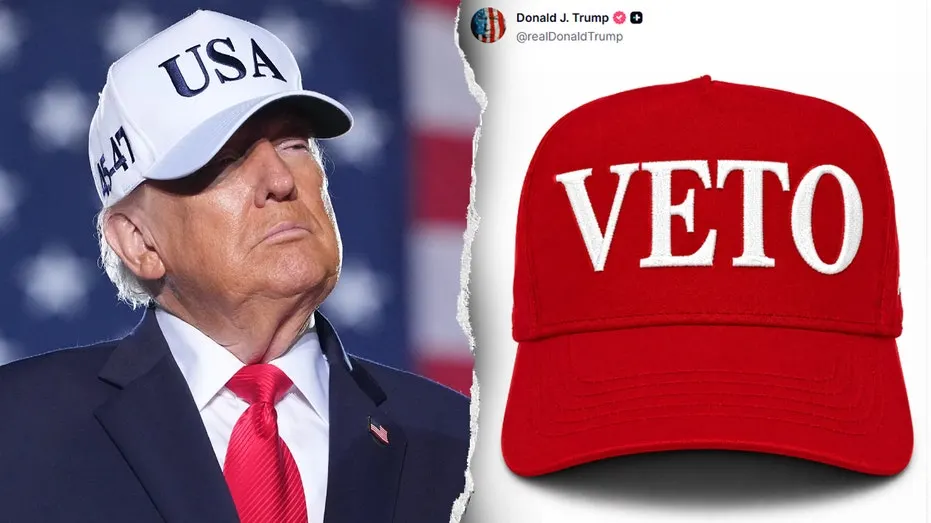
After Democrats won control of both chambers of Congress in the midterm elections, President Donald Trump said he would veto legislation he considers “insane”, while expressing confidence he could still work with Democratic lawmakers. The results weaken his ability to advance his agenda and give Democrats more power to block nominees and investigate his administration.
Trump said higher petrol prices, linked to the conflict with Iran, may have contributed to Republican losses, although he argued voters supported his actions against Iran and that the economic effects would be temporary. Democrats flipped at least seven Republican-held Senate seats and more than two dozen House districts. Trump also criticised some Republican candidates for failing to energise his supporters, including those who had previously opposed him.
In short
- Trump says he will veto bills he considers “insane”.
- He cited higher petrol prices as a factor in Republican losses.
- Democrats gained control of both chambers of Congress.
Steelman: both sides, in good faith
The strongest fair case each way — we don't pick a winner.
The case for
A president has a duty to resist legislation he believes would be harmful, and a veto can be a legitimate check when the opposing party controls Congress. Trump’s supporters may also see his confidence about Iran as consistent with pursuing a security policy they consider necessary, even if it brings temporary economic costs.
The case against
After Democrats won both chambers, their electoral mandate gives them a strong case for advancing their priorities, and a broad threat to veto bills risks obstructing that mandate before proposals are assessed on their merits. Higher petrol prices can impose immediate costs on households, so voters may reasonably question whether the administration has adequately weighed those costs or addressed their contribution to Republican losses.
Explained simply
The US Congress has two chambers: the House of Representatives and the Senate. Members of both are elected, while the president leads the executive branch and can sign bills into law or veto them. Congress can override a veto with a large enough majority in both chambers.
When the opposing party controls Congress, it can make it harder for a president to pass legislation and can scrutinise the administration through hearings and investigations. The party also has a role in confirming many senior government nominees. Petrol prices and foreign policy can affect voters’ views, alongside other concerns about the economy and candidates.
Americas Elections Government Middle East Politics World