World news and discussion on TalkFuse.
Trump Pushes To Speed Pipeline, Power Plant Approvals Before Democrats Take Over
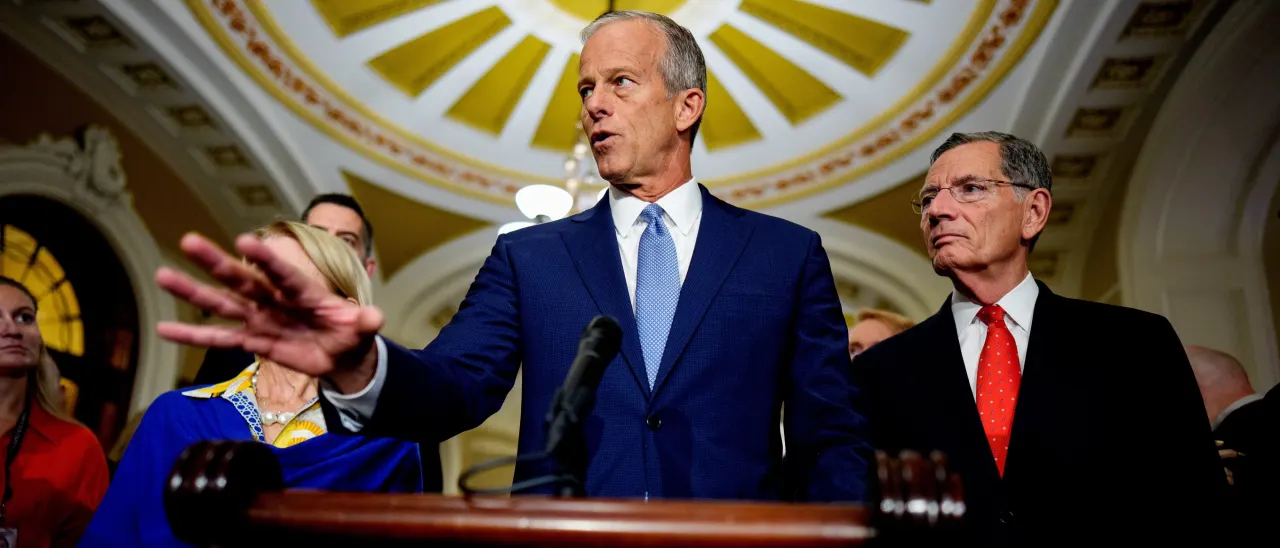
President Donald Trump urged senators to advance a bipartisan permitting bill before Democrats take control of Congress, arguing it would speed energy projects, lower household costs and create jobs. A procedural vote is scheduled for Monday evening, but the bill needs at least 60 votes to proceed.
The revised proposal, negotiated by Republicans Shelley Moore Capito and Mike Lee and Democrats Martin Heinrich and Sheldon Whitehouse, would narrow the federal actions requiring environmental review and set deadlines for permit decisions. It would also direct federal regulators to make data centres and other large electricity users pay for grid infrastructure built to serve them, and remove some federal drilling permits for wells on non-federal land. House Democratic leader Hakeem Jeffries opposes the current version, while the incoming Congress is expected to be controlled by Democrats.
In short
- Trump is pressing senators to advance a bipartisan permitting bill.
- The measure needs 60 votes to proceed.
- It would change reviews, permit deadlines and grid-cost rules.
Steelman: both sides, in good faith
The strongest fair case each way — we don't pick a winner.
The case for
Supporters argue that predictable deadlines and a narrower scope for environmental review could reduce delays for energy and infrastructure projects, helping expand supply, create jobs and ease costs for households. They also point to bipartisan negotiations and provisions requiring large electricity users to pay for grid infrastructure built to serve them as practical steps towards a more reliable, fairly funded system.
The case against
Opponents can argue that narrowing environmental review and imposing deadlines may limit scrutiny of projects with lasting effects on communities and the environment, while favouring speed over careful assessment. They may also question whether the bill’s changes would meaningfully lower household costs, and argue that such consequential rules should not be rushed through ahead of a change in congressional control.