Technology news and discussion on TalkFuse.
Trump rules out joint US-China venture to develop AI
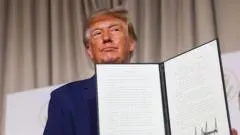
Donald Trump has ruled out a joint US-China venture to develop artificial intelligence, saying it could give Beijing access to American know-how. Speaking at the launch of a new AI-powered government services portal, he said the US was well ahead in the field and wanted to maintain that lead. His comments underline tensions between cooperation on AI risks and competition for technological advantage.
The remarks came after Chinese President Xi Jinping’s visit to the White House, when the countries announced an AI dialogue and a communications channel to help prevent misunderstandings during AI-related incidents. Trump said AI had come up in his meeting with Xi but rejected joint development. In the US, debate over safeguards continues: a late-September Politico poll found two-thirds of respondents saw at least a moderate risk that AI could destroy humanity, while 44% of Trump supporters surveyed favoured pausing its development.
In short
- Trump rejected joint US-China AI development, citing risks to US secrets.
- The countries agreed to discuss AI and prevent incident-related misunderstandings.
- Polling found widespread concern about AI risks and support for a pause among some Trump supporters.
Steelman: both sides, in good faith
The strongest fair case each way — we don't pick a winner.
The case for
International cooperation on AI safety is essential because artificial intelligence poses global existential risks that transcend national borders and competitive interests. The argument goes that if both the US and China pursue unsafe AI development in isolation, humanity faces greater danger than if they collaborate on safety standards, transparency, and risk mitigation. Proponents of this view argue that China's participation in AI safety dialogue and joint development creates accountability and mutual understanding, reducing the chance of dangerous miscalculations. From this perspective, maintaining short-term competitive advantage is secondary to preventing catastrophic outcomes that could harm all nations equally.
The case against
The US should maintain its technological lead through competition rather than joint ventures with China, as sharing know-how would undermine hard-won advantages and introduce security vulnerabilities. Those holding this view argue that the US can pursue AI safety research independently whilst keeping its advanced capabilities secure from a strategic competitor. They contend that joint development arrangements create opportunities for intellectual property theft and espionage, and that China's governance structure and strategic interests may not align with American safety priorities. From this perspective, US leadership in AI is itself a form of global safety, as it ensures responsible actors maintain technological dominance over potentially less scrupulous competitors.
Explained simply
Artificial intelligence has become one of the world's most strategically important technologies, with major powers competing fiercely to develop advanced capabilities. The United States and China are the leading players in this competition, each viewing AI development as vital to their national security and economic future. Because AI could have enormous economic and military applications, governments see dominance in this field as crucial to their global standing.
Balancing competition and cooperation on AI presents a dilemma for many governments. Countries want to develop the most advanced AI before their competitors do, but they also worry that AI's potential risks require international cooperation to manage safely. These competing priorities create tension in how nations approach AI development.
In the United States, anxiety about AI is growing among the public. Surveys show that many Americans view AI as a potential risk to humanity, and some believe development should be slowed. These public concerns reflect uncertainty about whether such rapid technological change is being properly managed, making how America develops and relates to other countries on AI a subject of significant political debate.
AI Americas Art Asia Culture Government Politics Technology World