World news and discussion on TalkFuse.
Trump rushed into secret national security meeting on whether to start up Iran strikes as deal nears
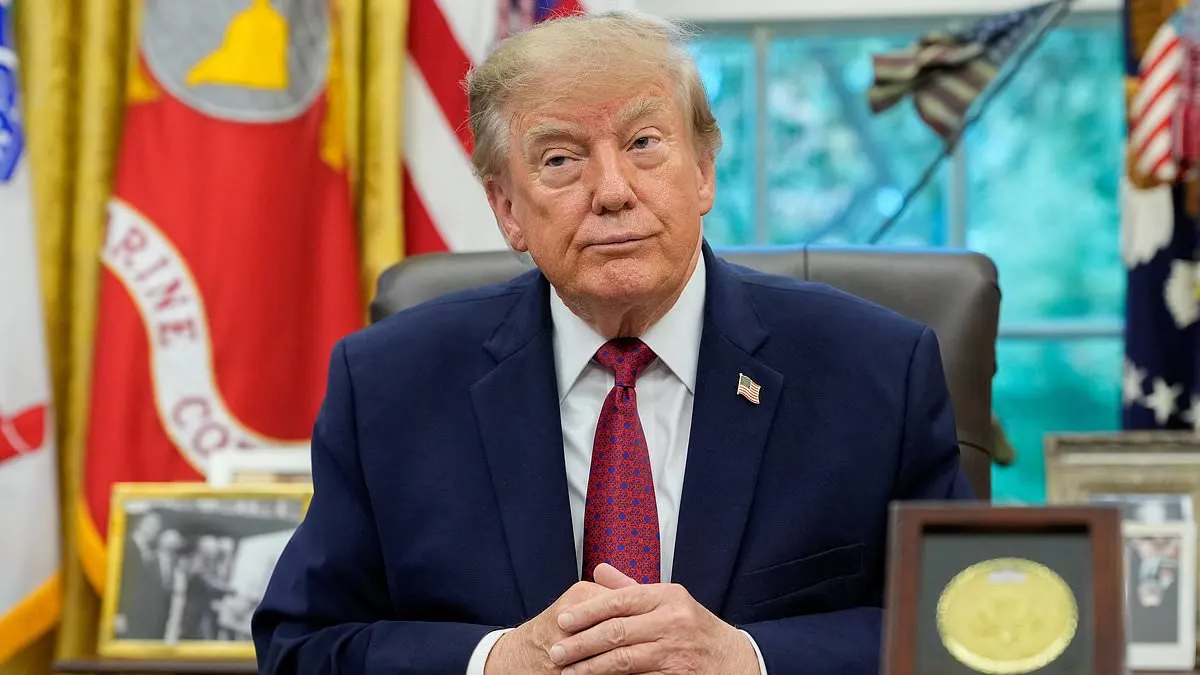
Donald Trump has met his national security team twice to consider restarting military strikes on Iran, as Tehran has sent the White House a new nuclear proposal through Qatari mediators. The choice between renewed attacks and a deal matters because the Strait of Hormuz remains effectively sealed, disrupting global energy supplies.
US Central Command has prepared strike plans, and thousands of American troops remain in the region enforcing a blockade. Iran says it will not reopen the strait or resume talks until the US meets seven demands, including lifting sanctions, releasing frozen assets and paying reparations; officials reportedly differ over whether to pursue an agreement or maintain pressure. The article also links the war and rising energy costs to Democrats’ election gains, noting that petrol averaged $4.15 a gallon on Election Day and higher energy costs had taken nearly $1,230 from the average household.
In short
- Trump is weighing renewed strikes against a proposed nuclear deal.
- Iran’s demands include sanctions relief and reparations.
- The Hormuz shutdown has pushed up energy costs.
Steelman: both sides, in good faith
The strongest fair case each way — we don't pick a winner.
The case for
Supporters of renewed strikes could argue that credible military pressure is needed to deter further threats, protect US forces and shipping, and persuade Tehran to accept limits on its nuclear programme. With the Strait of Hormuz disrupting energy supplies, they may see a clear, enforceable agreement as urgent but doubt that negotiations will deliver one without leverage.
The case against
Supporters of pursuing a deal could argue that renewed attacks risk widening the conflict, endangering US troops and civilians, and prolonging the disruption to shipping and energy markets. They may see the new proposal and Qatari mediation as an opportunity to reduce tensions through diplomacy, while judging that sanctions relief and other concessions should be weighed against the costs and risks of continued military pressure.