Politics news and discussion on TalkFuse.
Trump vows to retain Hegseth amid calls for his removal
Developed over time first seen 1 day ago
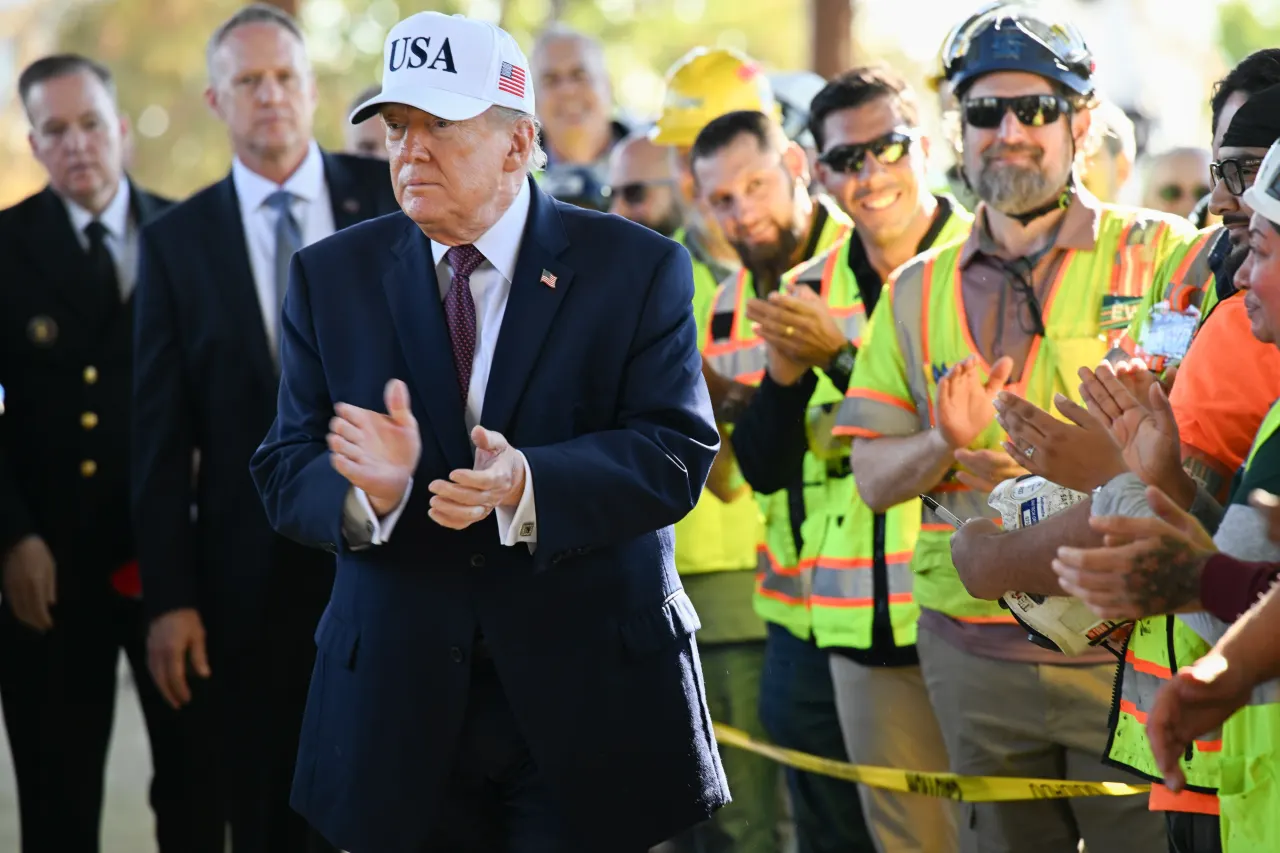
President Trump said he intends to keep Pete Hegseth as Secretary of War, despite calls from some Republicans for his removal and growing criticism of his handling of the Iran war. The debate has intensified after Democratic gains in the midterm elections, with Hegseth seen by some as a potential figure to blame for the administration’s wartime record.
Republican Senator Thom Tillis has urged Trump to replace Hegseth while Republicans still hold the Senate majority, and the House could consider an impeachment resolution as soon as next week. Democrats say they plan to pursue Hegseth after the new Congress convenes on 3 January; the Pentagon says he is committed to serving through Trump’s term. White House insiders say Trump is seeking advisers’ views, but his departure is uncertain. The article also cites President George W. Bush’s 2006 decision to replace Defense Secretary Donald Rumsfeld after Republican election losses.
- Sources
- 3
- Outlets
- 2
- Left · Centre · Right
- 0 · 0 · 3
In short
- Trump says he intends to keep Hegseth.
- Some Republicans are calling for his removal.
- The House could consider impeachment next week.
How this story developed
- 20 hours ago White House advisers were reported to be discussing whether Hegseth should stay in the cabinet, adding to scrutiny of his handling of the Iran war even as Trump maintained he would keep him.
- 1 day ago Hegseth’s commitment to remain in the role was reiterated as Republicans faced pressure to hold him responsible for their midterm setbacks; the House could consider an impeachment resolution as soon as the following week.
- 1 day ago Trump restated his support for Hegseth as advisers considered his future, while Hegseth ruled out leaving for a newly vacant Tennessee Senate seat and the Pentagon said he would serve through the end of Trump’s term.
- 1 day ago Donald Trump said he would keep Pete Hegseth as Secretary of War despite calls for his removal over his handling of the Iran war, with Republican Senator Thom Tillis urging a change before the party loses its Senate majority and Democrats preparing an impeachment push.
Full account
President Donald Trump said on Thursday that he intends to keep Pete Hegseth as defence secretary, despite growing calls from Republicans and Democrats for him to leave. In an interview with ABC News anchor Jonathan Karl, Trump said he did not understand why people were contacting him about Hegseth. He also acknowledged that confirming a replacement would be easier before Democrats take control of the Senate in January.
The dispute follows heavy Republican losses in Tuesday’s midterm elections, in which Democrats won control of both chambers of Congress. Hegseth has become a focus of criticism over the administration’s handling of the war in Iran. Some Republicans have argued that he bears responsibility for the conflict and its political cost; Vice-President JD Vance has also cited the war as a factor in the election result. Retiring North Carolina senator Thom Tillis is among Republicans reported to have urged Trump to replace Hegseth while the party still holds the Senate majority.
The prospect of Hegseth’s removal is complicated by a possible House impeachment vote when lawmakers return next week. Democrats have said they intend to pursue him in the new Congress, due to convene on 3 January, and several have already filed impeachment articles. Such a move would not itself remove him from office: no Cabinet member has ever been forced out through House impeachment. Hegseth has rejected the idea of leaving for a possible Senate appointment in Tennessee, where the governor-elect will be able to select a successor to outgoing senator Marsha Blackburn.
Hegseth has been a prominent defender of the Iran campaign, but has not briefed reporters on it since May, while reports have emerged of damage to US facilities in the region. A Pentagon spokesperson said Hegseth was committed to leading the department through the end of Trump’s term and would not be deterred by what the spokesperson described as partisan investigations. The account also noted a precedent for a president changing course after midterm losses: George W. Bush announced Donald Rumsfeld’s resignation as defence secretary the day after Republicans lost heavily in 2006.
Where outlets differ
From the full account, which is AI-written from the sources:
The first report centres on Hegseth’s exposure over the Iran war, Republican calls for his removal, the possible impeachment timetable and his public refusal to pursue a Senate seat. It also includes the Pentagon’s commitment to retain him and compares the situation with Rumsfeld’s departure after the 2006 midterms.
The second report places Hegseth within a wider story about Cabinet accountability after the Democratic gains, saying Trump had canvassed advisers about whether to keep him and reporting that some sources expected him to be gone before January. That account also mentions pressure on other officials and a planned investigation into Robert F. Kennedy Jr. The two accounts therefore differ in emphasis: one highlights the public case for Hegseth staying and the immediate congressional steps; the other stresses private deliberations and the wider post-election reshuffle.
Steelman: both sides, in good faith
The strongest fair case each way — we don't pick a winner.
The case for
Retaining Hegseth could preserve continuity in the administration’s defence leadership during the Iran war and signal that cabinet appointments should be judged by the president, rather than changed in response to partisan pressure. Supporters may also argue that he has committed to serving his term and should have the opportunity to answer criticism through ordinary political and oversight processes.
The case against
Calls for Hegseth to leave reflect concerns that his handling of the Iran war has undermined confidence in his leadership, and that keeping him could weaken public trust in the department. Critics may argue that a cabinet secretary must retain enough credibility to lead effectively, and that the president should replace an official when serious concerns persist, regardless of party.
Explained simply
Pete Hegseth is the senior official in charge of the US Department of Defense, which oversees the country’s armed forces. The department is commonly called the Pentagon, after its headquarters near Washington, and the secretary is appointed by the president.
The president’s cabinet is made up of senior officials who lead government departments. Congress, the elected legislature, can investigate officials and consider impeachment, a process that may lead to removal from office. Disputes over Hegseth’s role therefore involve both Trump’s authority to choose his team and Congress’s oversight of the government.
Coverage · 3 sources
Bias meters
From 3 rated sources.
Government Middle East Politics World
Read the full article at the source →
Originally published by New York Post as “Trump says he has ‘every intention’ of keeping Pete Hegseth as pressure grows to oust War Secretary”.