World news and discussion on TalkFuse.
Trump says he takes possible Iran bomb threat to Washington ‘very seriously’
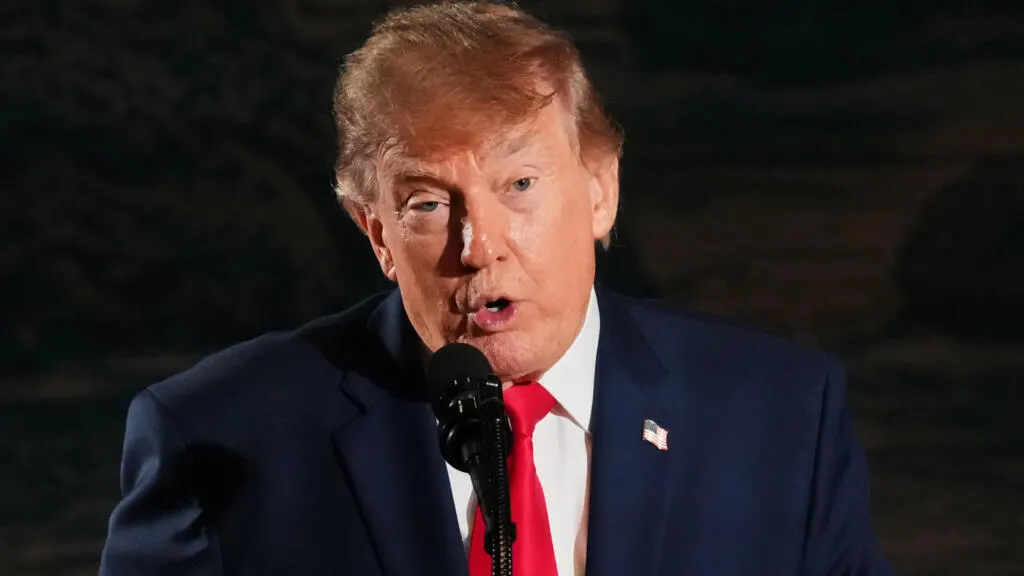
Donald Trump said the United States is taking reports of a possible Iranian threat to Washington “very seriously”, after intelligence reports alleged Iran was considering targeting senior administration officials with a radioactive bomb. He warned Iran would face severe consequences if a threat were carried out, while the report’s sources said the plans appeared to give Iran options rather than signal an imminent attack.
CNN cited seven anonymous US officials for the report, which Iran’s foreign ministry spokesman Esmaeil Baqaei called fabricated and a pretext for further aggression. The allegations emerged as US-Iran negotiations to end their war had stalled; Qatar urged restraint to protect efforts to reach an agreement. A dirty bomb combines conventional explosives with radioactive or chemical material.
In short
- Trump says Washington takes reports of an Iranian threat seriously.
- US sources described the reported plans as options, not an imminent attack.
- Iran rejected the report as fabricated amid stalled negotiations.
Steelman: both sides, in good faith
The strongest fair case each way — we don't pick a winner.
The case for
A government has a duty to protect public officials and the public, so treating credible intelligence about a possible radioactive attack as serious is prudent even if the threat is not imminent. Publicly signalling severe consequences may also deter an attack and make clear that such an act would carry major costs.
The case against
The allegation rests on anonymous sources and was denied by Iran, while the reporting described possible options rather than an imminent plan; treating it as established could fuel fear or justify escalation without adequate public evidence. With negotiations already stalled, restraint and careful verification may better protect the prospects for diplomacy and avoid worsening the conflict.
Explained simply
Iran and the United States have a long-running dispute over Iran’s nuclear programme, regional influence and US sanctions. Their relations have also been shaped by periods of direct confrontation, including the war referenced in current reports.
Donald Trump is the US president, and Iran’s government is led by its supreme leader and elected officials, including its foreign ministry. Esmaeil Baqaei speaks for Iran’s foreign ministry; Qatar, which has ties with both countries, has at times helped support diplomatic efforts.
A dirty bomb uses conventional explosives to spread radioactive material; it is different from a nuclear weapon. Allegations of such a threat matter because they could increase security concerns and complicate negotiations, while disputed claims can also affect trust between governments.
Americas Government Middle East Politics World