Sport news and discussion on TalkFuse.
Trump says Iran war ‘funded’ through January and addresses Israel’s goal of Tehran regime change
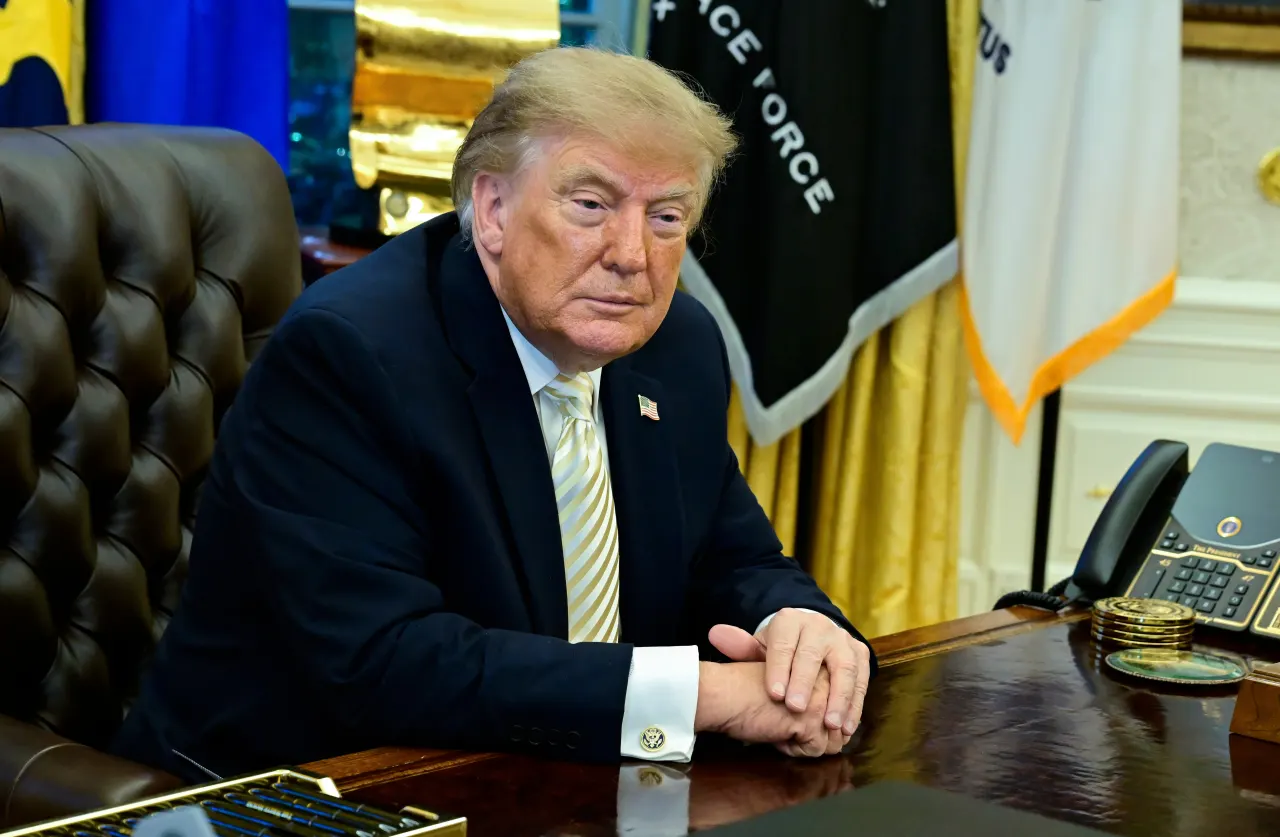
Donald Trump said US funding for the war with Iran runs until roughly the end of January, and warned that Democrats could turn what he called a military victory into a loss if they halt the conflict. His comments highlight the possible effect of Democrats taking control of Congress in January on his freedom to continue military action.
Trump said Israel’s aim of ending Iran’s Islamic Republic was probably achievable, but said his own goal was to prevent Iran obtaining a nuclear weapon. He also responded to Iran’s claim for compensation over a US airstrike on a school, saying the US should seek compensation for American deaths. The interview touched on North Korea, with Trump saying contact with Kim Jong Un could resume, though they had not written recently.
In short
- Trump says Iran war funding runs until late January.
- He says preventing an Iranian nuclear weapon is his goal.
- Trump says talks with North Korea’s Kim could resume.
Steelman: both sides, in good faith
The strongest fair case each way — we don't pick a winner.
The case for
Supporters could argue that sustained military pressure is needed to prevent Iran from developing a nuclear weapon, and that abruptly ending the campaign could squander gains and embolden Tehran. They may also see Israel’s aim of ending the Islamic Republic as a potential route to a more stable region, while stressing that decisions about US military action should remain with the elected president and Congress.
The case against
Critics could argue that an open-ended war risks more civilian deaths, regional escalation and damage to US interests, while the prospect of congressional opposition underscores the need for democratic oversight. They may favour a narrowly defined nuclear-security goal and diplomacy over regime change, which could deepen instability, and argue that civilian harm, including the reported school strike, warrants investigation and accountability rather than reciprocal claims for compensation.
Explained simply
The United States and Iran have been long-time rivals, with disputes over Iran’s nuclear programme, regional influence and US sanctions. Israel also views Iran as a major security threat, and its government has called for an end to the Islamic Republic, Iran’s system of government since the 1979 revolution.
The US president directs the country’s armed forces, while Congress controls federal spending and can scrutinise military action. Democrats are due to take control of Congress in January, which could affect decisions about funding and oversight. The US and Israel are allies, but their governments may have different aims in a conflict.
Iran’s nuclear programme is subject to international monitoring and has been a source of tension between Tehran and Western governments for decades. Disputes over civilian casualties and compensation can add to diplomatic strain, while contacts between leaders such as Trump and North Korean leader Kim Jong Un are part of separate efforts to manage international tensions.
Football Government Middle East Politics Sport World