Trump says Iran war talks taking place during lull in strikes
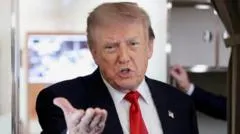
US President Donald Trump has said "very friendly negotiations" are under way with Iran, as the two sides went a third consecutive day without exchanging strikes. The apparent lull comes after nearly two weeks of daily US strikes and retaliatory Iranian attacks that had unravelled a ceasefire agreed in June, and any de-escalation would matter significantly given the toll on both military personnel and global oil markets. Iran has, however, denied that direct negotiations are taking place, leaving the true state of diplomacy unclear.
Trump said he had paused strikes on Friday at the request of mediating countries, with Iran also halting its attacks, but warned the US would resume operations if talks failed. Oil prices fell more than 9% to $87.59 a barrel on Monday amid hopes of de-escalation. Trump also rejected reports of dwindling US ammunition stocks, saying supplies remained plentiful and that Patriot missile systems were being built up further, a claim echoed by the White House. The conflict, which began on 28 February with US and Israeli strikes on Iran, has since killed four American soldiers and, according to Iran's health ministry, dozens of Iranians, with more than 600 US service members injured.
In short
- Trump cites "friendly negotiations" during three-day US-Iran strike pause
- Iran denies direct talks are happening despite the lull
- Oil prices dropped over 9% on hopes of de-escalation
Steelman: both sides, in good faith
The strongest fair case each way — we don't pick a winner.
The case for
The three-day mutual ceasefire, brokered through international mediators with both sides holding fire, suggests genuine de-escalation is possible. The sharp market response—oil prices falling 9%—reflects global confidence in real progress, and such pauses can establish momentum toward diplomatic breakthroughs whilst reducing the immediate humanitarian toll on soldiers and civilians.
The case against
Iran's explicit denial that direct negotiations are occurring contradicts Trump's claims of "very friendly negotiations," raising questions about the accuracy of his account. A three-day pause does not address the fundamental disputes that triggered the February escalation, and Trump's conditional approach—threatening to resume strikes—suggests this is a tactical manoeuvre rather than a genuine commitment to durable peace.
Explained simply
The United States and Iran have been in military conflict since February this year, following American and Israeli strikes on Iranian targets. A ceasefire agreed between the two sides in June subsequently broke down, with nearly two weeks of daily attacks resuming from both countries, causing casualties on both sides and disrupting global oil markets.
This conflict matters because the consequences extend beyond the two countries directly involved: soldiers and military personnel have been killed and wounded, whilst disruption to oil supplies has affected prices worldwide. The recent escalation represents a significant breakdown of the truce that had held since summer.
Against this context, both sides have now paused their military operations, with American officials claiming that diplomatic negotiations are taking place. However, Iran has denied that direct talks are occurring, leaving the true status of any peace efforts uncertain.
Americas Government Middle East Politics World