Trump says US-Canada trade deal ‘subject to the finalization of documents’
Developed over time first seen 2 months ago
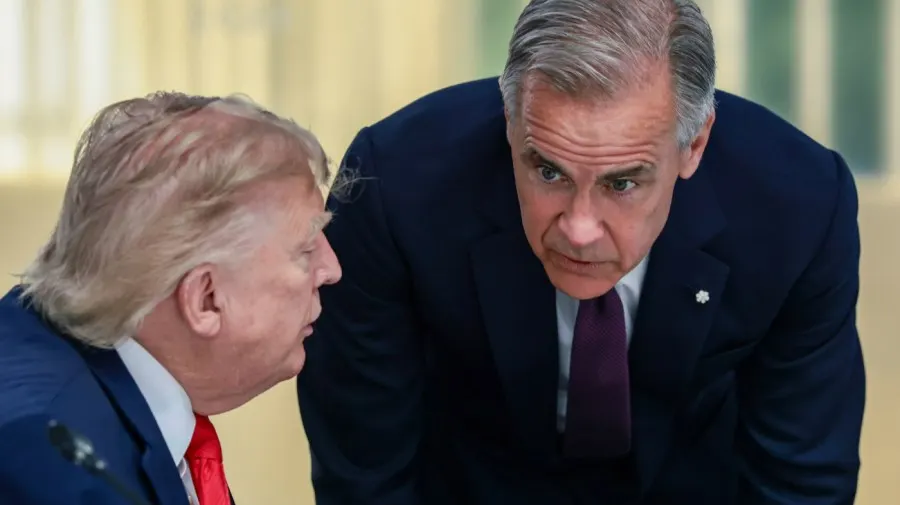
Canada and the United States have reached agreement on the outline of a trade deal, though President Donald Trump cautioned it remains "subject to the finalization of documents". The announcement followed three consecutive days of negotiations in Washington, during which Trump paused a threatened wave of new 50% tariffs on Canadian goods that had been due to take effect. Both Trump and Prime Minister Mark Carney publicly welcomed the emerging agreement, with US Trade Representative Jamieson Greer saying it removes "irritants" in the relationship and would strengthen the North American economy, and pledging to brief Congress on its contents shortly.
Under the deal, Trump said Canada would drop tariffs on US farmers, while Washington would reduce its own tariffs on Canada "a little bit", though he did not specify further. Canada had been pushing for reduced US tariffs on steel, aluminium, autos and lumber, while Washington sought concessions including the removal of Canada's retaliatory auto tariffs, greater access for US cheese producers through eased dairy quotas, and the lifting of a provincial ban on US alcohol sales imposed in retaliation last year. Carney briefed his cabinet and provincial premiers on the agreement, and Nova Scotia's Tim Houston confirmed provinces had been asked to return US alcohol to shelves, while Saskatchewan's Scott Moe said talks on further sectoral tariff reductions were continuing.
- Canada and US announce outline trade deal after three days of talks
- Trump paused threatened 50% tariffs; deal still needs final documents
- Canada to cut farm tariffs, ease alcohol ban; US to trim tariffs slightly
New here? Start with this
Canada and the United States have spent months in talks aimed at ending a tariff dispute that has put pressure on industries such as steel, aluminium, cars and lumber. Both countries have imposed tariffs on each other's goods since the dispute began, raising costs for businesses and consumers, and each side wants concessions from the other before a deal is agreed. President Donald Trump leads the US side, while Prime Minister Mark Carney and minister Dominic LeBlanc represent Canada.
Trade deals of this kind matter because they shape the price of everyday goods, from food to cars, and affect jobs in industries that rely on cross-border trade between the two countries, which are among each other's largest trading partners. Any agreement also needs to balance competing domestic pressures, such as protecting farmers, manufacturers and, in Canada's case, its system for managing dairy production.
Public opinion adds another layer to the negotiations, with many Canadians favouring a tougher approach even as business groups on both sides want the dispute resolved quickly to limit further economic damage. This tension between political pressure at home and the practical costs of prolonged tariffs helps explain why the talks have taken time and why officials have been cautious about declaring a final agreement.
Both sides, in good faith
The strongest fair case each way — we don't pick a winner.
The case for
Advocates of a swift, pragmatic deal argue that prolonged tariff conflict inflicts real and mounting harm on workers and businesses on both sides of the border, and that securing tangible gains now, reduced US tariffs on steel, aluminium, autos and lumber, and removal of Canadian retaliatory duties, is preferable to holding out for an ideal outcome that may never arrive. They point to Minister LeBlanc's assurance that supply management remains intact as evidence Canada can protect its core interests while still compromising on secondary irritants like provincial alcohol rules, and they see restored certainty and stable market access as the surer route to long-term prosperity than continued confrontation.
The case against
Those favouring a harder line argue that concessions made under the pressure of an imminent tariff deadline risk locking in an unfavourable and hastily finalised agreement, and that the 56 per cent of Canadians backing a tougher stance reflects legitimate concern about ceding ground on autos, dairy access or provincial alcohol policy to a negotiating partner who has shown willingness to threaten tariffs unpredictably. They value protecting domestic industries and sovereign policy choices over speed, and worry that a deal struck to relieve short-term pressure could set a precedent inviting further coercive demands in future negotiations.
More coverage
- The Hill — Trump says US, Canada have a deal
- BBC World — Canada and US say they are finalising a trade deal, but details remain murky