World news and discussion on TalkFuse.
Trump says US will ‘see what happens’ in conflict with Iran after Jan. 1
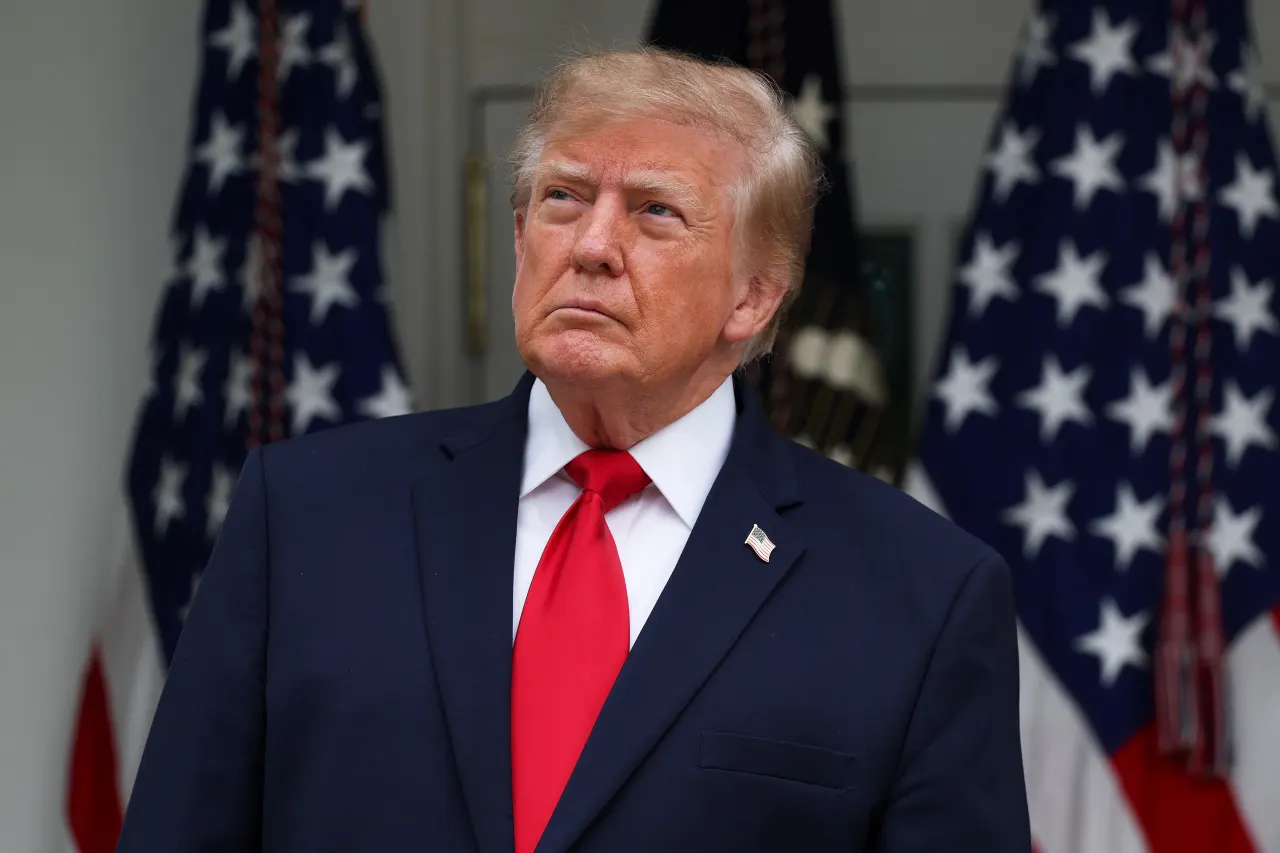
Donald Trump said the United States would “see what happens” in its conflict with Iran after 1 January, without explaining why that date mattered. His comments reflect shifting signals in recent weeks, as he has alternated between threatening escalation and suggesting hostilities could wind down.
Asked about a report alleging Iran planned a radiological “dirty bomb” attack in Washington, Trump said he did not think people in the capital should be alarmed. He also claimed Iran was examining chemical or biological weapons, without providing evidence; Iran has called the report baseless, and US Secretary of State Marco Rubio said he knew of no imminent threat. Israel has reportedly shared intelligence about Iran’s military capabilities, while its Mossad chief advocated renewed joint strikes, according to Reuters.
In short
- Trump left US policy towards Iran after 1 January unclear.
- He downplayed claims of an imminent threat to Washington.
- Iran called the dirty-bomb report baseless.
Steelman: both sides, in good faith
The strongest fair case each way — we don't pick a winner.
The case for
Supporters of keeping options open could argue that a president should avoid ruling out action while a conflict is unresolved, since uncertainty may deter further threats and preserve room to respond if credible dangers emerge. They may also see close coordination with Israel and continued scrutiny of Iran’s capabilities as prudent protection for US security and allies.
The case against
Critics could argue that vague signals about future action, especially alongside unsubstantiated claims of weapons threats, risk heightening public anxiety and making miscalculation more likely. They may favour clear standards for any military response, evidence-based public statements, and diplomacy to limit escalation and protect civilians.
Explained simply
The United States and Iran have had a long-running dispute over Iran’s nuclear programme, its regional influence and US sanctions. The two countries have no formal diplomatic relations, and tensions have at times led to military confrontations.
Donald Trump is the US president, while Marco Rubio is his secretary of state, responsible for leading US diplomacy. Israel, a close US ally and Iran’s regional adversary, has also been involved in discussions about Iran and its military capabilities.
Claims about possible weapons threats can affect public concern and decisions about security or military action. Such claims may be disputed, and intelligence shared between governments can shape how they assess the risks.
Americas Asia Middle East World