Trump says White House ballroom ruling jeopardizes lives of future presidents, vows Supreme Court appeal
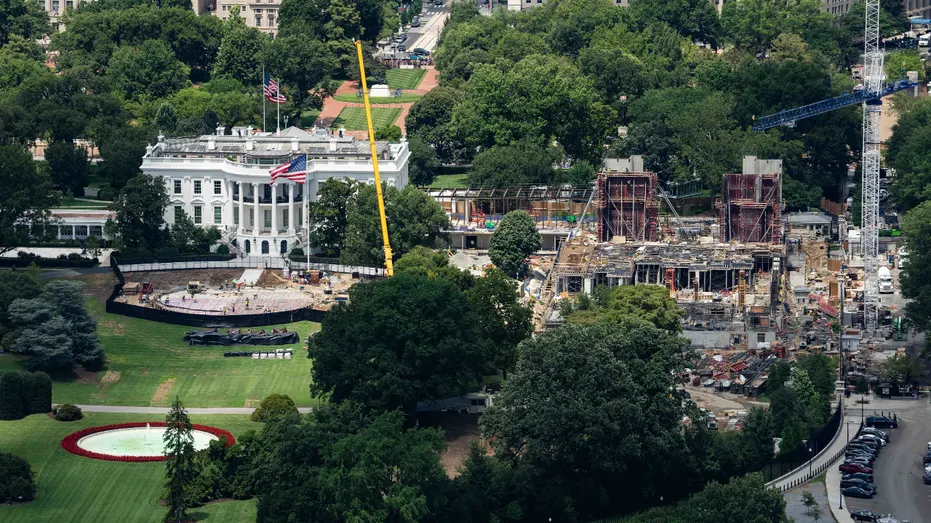
President Donald Trump has vowed to appeal to the US Supreme Court after a federal appeals court upheld a ruling halting above-ground construction of a new White House ballroom. The US Court of Appeals for the DC Circuit ruled 2-1 on Friday that the decision to authorise such a project rests with Congress rather than the executive branch, prompting Trump to brand the judgment "horrendous, politically motivated, and unlawful" and warn it endangers the safety of future presidents and White House visitors.
The 90,000-square-foot ballroom, which replaced the demolished East Wing, has had above-ground work paused, though the court allowed construction to continue on underground national security facilities and certain safety measures. Judges Patricia Millett and Brad Garcia, appointed by Barack Obama and Joe Biden respectively, said there was no historical precedent for a president unilaterally demolishing parts of the White House funded by taxpayers, but noted their ruling would not stop the project if Congress later authorises it. The ruling has been stayed for 14 days to allow Trump's administration to seek Supreme Court review, though it remains unclear whether the court will take up the case.
In short
- Appeals court upholds halt on above-ground White House ballroom construction
- Trump calls ruling "unlawful" and vows Supreme Court appeal
- Judges say only Congress can authorise the $bn-plus project, ruling stayed 14 days
Steelman: both sides, in good faith
The strongest fair case each way — we don't pick a winner.
The case for
The President must retain operational control of the White House to ensure it meets contemporary security and functional requirements for the nation's chief executive and their visitors. Requiring Congressional approval for each facility upgrade or security improvement creates dangerous bureaucratic delays that could compromise the President's safety and the building's resilience; the executive branch, which bears responsibility for protecting the presidency and governing effectively from the residence, should have primary authority over its modernisation without constant judicial obstruction.
The case against
The White House is a publicly funded national landmark whose major structural alterations—including demolishing the East Wing and constructing a 90,000-square-foot addition—constitute matters of significant public interest requiring Congressional oversight. Historical precedent and constitutional separation of powers both establish that unilateral presidential authority to demolish and rebuild major sections of the building would concentrate excessive power in the executive; the court's ruling doesn't prevent the project itself, merely requiring democratic authorisation through the proper legislative process that safeguards public funds and constitutional governance.
Explained simply
The White House is both the US president’s home and a government workplace in Washington, DC. Its East Wing housed offices and other facilities before it was demolished for a planned ballroom, a large space for official events.
The president leads the executive branch, while Congress makes federal laws and approves public spending. The dispute is about whether a president can authorise a major change to the White House using public funds without Congress’s approval.
The case involves President Donald Trump and the federal courts, which can assess whether government actions follow the law. It matters because the decision could affect who has authority over changes to the White House and how public money is used for them.