World news and discussion on TalkFuse.
Trump secures temporary Russian diesel imports as fuel costs rise
Developed over time first seen 2 months ago
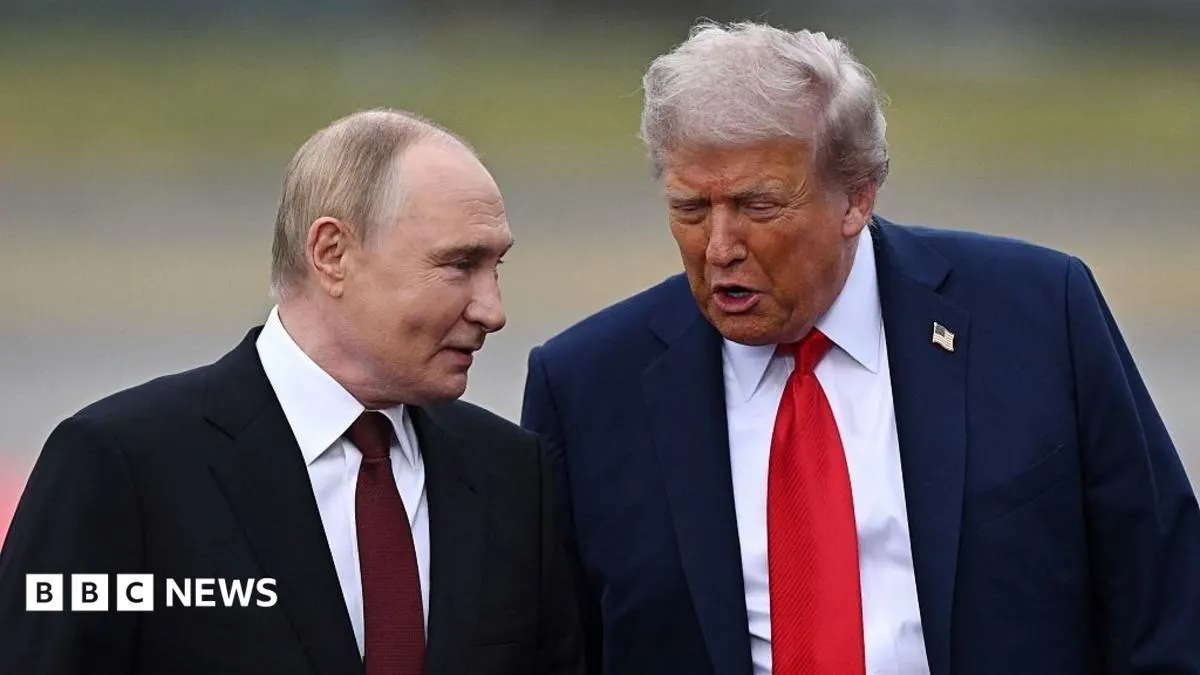
The US Treasury authorised a temporary licence for Russian diesel imports after Donald Trump agreed with Vladimir Putin to secure fuel supplies as prices rise. The move reverses years of US pressure on Moscow and has drawn condemnation from Ukraine and criticism from lawmakers in both parties.
Trump said Russia would release 300,000 tonnes immediately, followed by 500,000 tonnes in November and further shipments. The first tranche is about 2.25 million barrels, compared with US daily diesel use of roughly 3.8 million barrels; analysts have questioned whether Russia can deliver the promised volumes or significantly lower prices. US diesel averaged $6.28 a gallon, below its late-September record of $6.53, while the licence leaves Russian assets held in US banks under sanctions.
- Sources
- 5
- Outlets
- 3
- Left · Centre · Right
- 1 · 2 · 2
In short
- US temporarily allowed Russian diesel imports.
- Initial shipments total 300,000 tonnes.
- Analysts question the supply and price impact.
How this story developed
- 2 months ago The Treasury's temporary licence preserves existing sanctions on Russian assets held in American banks, allowing diesel imports whilst maintaining financial restrictions on Moscow.
- 2 months ago Ukraine responded to the agreement by attacking Russian oil facilities, including the Novoshakhtinsk export hub, in an effort to disrupt supplies intended for American markets.
- 2 months ago Ukrainian President Zelensky condemned the deal and lawmakers from both American parties criticised it, warning that lifting sanctions would enable Russia to finance its military operations.
- 2 months ago The US Treasury issued a temporary licence authorising Russian diesel imports until 7 April, confirming Putin's commitment to release 300,000 tonnes immediately and 500,000 tonnes in November.
- 2 months ago President Trump announced an agreement with Vladimir Putin for Russian diesel supplies totalling up to 1.8 million tonnes, with the United States easing import restrictions to facilitate the arrangement.
- BBC World US secures phased release of Russian diesel to curb prices
- BBC World Trump turns to Russian diesel as fuel costs threaten Republican midterm prospects
- Daily Mail Zelensky hits Russian oil hub hours after he attacked Trump's diesel deal with Putin as 'weak' and 'unworthy'
- The Guardian Zelenskyy furious as Trump announces deal to buy Russian diesel
- Daily Mail Putin throws Trump midterm lifeline as Russian tyrant agrees to ‘immediately supply US with 300,000 tons of diesel’
Full account
Donald Trump has secured an arrangement with Russian President Vladimir Putin to supply diesel fuel to American and international markets, the president announced via Truth Social. The initial shipment of 300,000 tonnes would be released immediately, with additional allocations scheduled for November and beyond, contingent in part on Russia's capacity to repair refineries damaged by Ukrainian strikes.
According to Trump's statement, the supply sequence follows this pattern: 300,000 tonnes immediately, 500,000 tonnes in November, one million tonnes subsequently, and a conditional further three million tonnes once Russian refinery operations improve. Simultaneously, the Trump administration's Treasury Department announced a temporary removal of sanctions on Russian diesel exports, extending through April 2027, thereby establishing a legal framework for the petroleum to reach global purchasers.
This arrangement represents a substantial reversal of Trump's recent stance, given that he authorised fresh American sanctions targeting nations acquiring Russian energy products merely three weeks earlier. Diesel costs in America have climbed to approximately £4.74 per gallon, creating considerable political difficulties ahead of midterm elections. Regions dependent on agriculture—particularly Iowa, Kansas, Texas and Ohio—have experienced significant hardship, as farm mechanisation and product transportation rely substantially on diesel fuel. Trump has pursued multiple strategies to reduce price pressures, from appealing to allied nations to release strategic petroleum reserves to temporarily suspending federal fuel taxation.
Ukrainian President Volodymyr Zelensky has characterised the arrangement as providing strategic advantage to Russia's military effort. The Kyiv administration reportedly learned of the announcement with surprise. Zelensky's response reflects broader frustration with Trump's earlier requests that Ukraine cease targeting Russian petroleum facilities—a position critics contend subordinates legitimate military operations to economic circumstances. Britain's government similarly reaffirmed its commitment to stringent sanctions against Russia.
Professional analysis indicates the diesel allocations are unlikely to produce substantial reductions in American consumer fuel prices. The initial 300,000-tonne shipment equates to roughly 2.25 million barrels, representing approximately two hours of worldwide diesel consumption or less than one full day of American usage. Several analysts have dismissed the volumes as generating negligible retail price impacts, portraying the initiative as a somewhat desperate gambit to strengthen Republican prospects before midterm balloting. Damage to Russian refinery capacity introduces further uncertainty regarding whether supplies can materialise according to schedule.
Where outlets differ
From the full account, which is AI-written from the sources:
US daily diesel consumption figures vary between sources: 3.6 million barrels versus 3.8 million barrels
Sources differ on analyst treatment: Source 3 features sceptical analyst commentary dismissing the deal's effectiveness, whilst Source 1 emphasises the undefined details and uncertainty surrounding implementation
Only Source 3 includes the British government's formal response reaffirming sanctions commitment
Source 2 provides specific market reaction data showing diesel futures down 4.5% and crude oil price movements; other sources lack detailed price information
Trump's contradiction with recent sanctions legislation receives greater prominence in Source 1
Sources describe Trump's pressure on Ukraine differently: 'encouraged' curtailment versus 'pleaded' to stop refinery strikes
Left-leaning outlets 1
Only here: zelenskyy, furious, announces
Centre outlets 2
- Trump turns to Russian diesel as fuel costs threaten Republican midterm prospectsBBC World
- US secures phased release of Russian diesel to curb pricesBBC World
Only here: turns, fuel, costs, threaten, republican
Right-leaning outlets 2
- Putin throws Trump midterm lifeline as Russian tyrant agrees to ‘immediately supply US with 300,000 tons of diesel’Daily Mail
- Zelensky hits Russian oil hub hours after he attacked Trump's diesel deal with Putin as 'weak' and 'unworthy' Daily Mail
Only here: putin, throws, lifeline, tyrant, agrees
Every side used: trump, russian, diesel
Headline columns compared word for word; nothing in them is AI-written.
Steelman: both sides, in good faith
The strongest fair case each way — we don't pick a winner.
The case for
Addressing fuel costs that have doubled and are harming both public welfare and economic stability is a legitimate governmental priority. Sanctions are policy tools meant to achieve specific objectives; when they create serious domestic hardship without achieving desired outcomes, reassessing them reflects pragmatic governance. Securing stable energy supplies benefits the economy and national interests, and practical engagement with other powers can create diplomatic pathways that serve broader strategic interests.
The case against
Sanctions exist because Russia's conduct violates international norms; abandoning them whenever they cause domestic inconvenience sets a dangerous precedent that enables aggression and rewards bad behaviour. More directly, lifting restrictions on Russian energy exports directly finances Russia's military operations against Ukraine, making the United States complicit in harming an ally and undermining its commitment to Ukrainian sovereignty. This reversal of stated policy positions signals that principled stands can be abandoned for short-term political advantage, weakening credibility with allies and deterrence against future transgressions.
Explained simply
Diesel fuel prices in the United States have doubled following military escalation with Iran, and rising fuel costs are affecting Trump's public approval ahead of midterm elections. The Trump administration has negotiated a supply agreement with Russian President Vladimir Putin to deliver diesel to American and global markets, framing it as a response to these economic pressures.
To enable Russian fuel deliveries, the US administration is temporarily easing sanctions that had previously restricted countries from importing Russian energy. These sanctions were imposed to limit Russia's revenue streams.
Ukraine has condemned the agreement, arguing that lifting restrictions on Russian energy sales effectively finances Russia's military operations. The arrangement represents a notable shift from Trump's recent support for maintaining sanctions on Russian energy, and it has generated diplomatic tensions despite being presented primarily as economic relief.
Coverage · 5 sources
Bias meters
From 5 rated sources.
- BBC WorldCentreTrump turns to Russian diesel as fuel costs threaten Republican midterm prospects
- Daily MailRightPutin throws Trump midterm lifeline as Russian tyrant agrees to ‘immediately supply US with 300,000 tons of diesel’
- BBC WorldCentreUS secures phased release of Russian diesel to curb prices
- Daily MailRightZelensky hits Russian oil hub hours after he attacked Trump's diesel deal with Putin as 'weak' and 'unworthy'
- The GuardianLeftZelenskyy furious as Trump announces deal to buy Russian diesel
Americas Art Business Culture Elections Europe Government Markets Middle East Politics World