World news and discussion on TalkFuse.
Trump set for economic showdown with Xi as unfulfilled promises leave billions hanging in balance
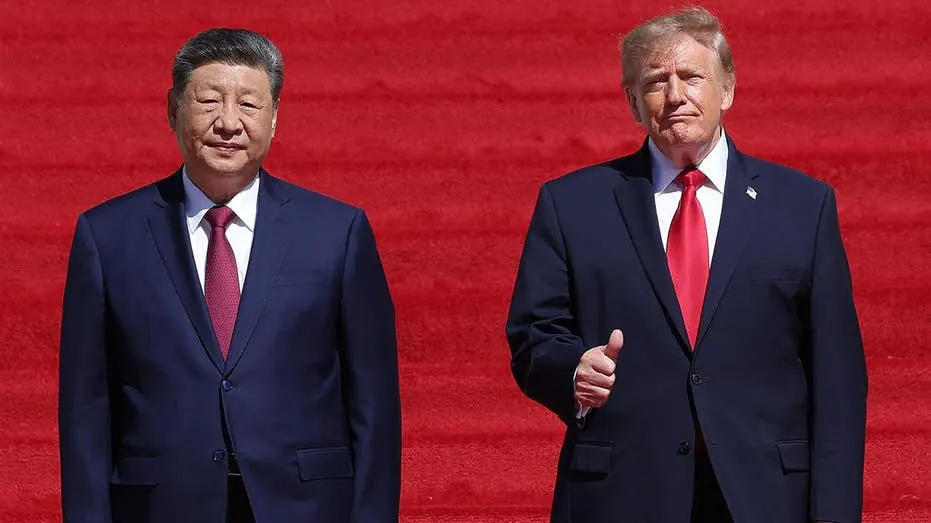
Donald Trump is due to meet Xi Jinping in China to discuss trade, with tariffs, agricultural purchases and rare earth minerals all on the agenda. The talks matter because previous commitments have yet to translate into major purchases or a lasting trade agreement, while both leaders face pressure to avoid appearing to concede first.
At a May summit, China agreed to buy 25 million metric tonnes of US soybeans a year and $17 billion of other US agricultural goods annually from 2026 to 2028. A tariff truce and some trade restrictions were extended until January, but economist Ryan Yonk says progress will require detailed negotiations by officials, not just an agreement between the leaders. Trump says the US could catch up with China in rare earth production within 10 months; Yonk points to environmental concerns and the difficulty of expanding mining and refining.
In short
- Trump and Xi are expected to discuss trade and tariffs.
- China’s promised agricultural purchases have not yet materialised at scale.
- Experts say lasting progress will require detailed negotiations.
Steelman: both sides, in good faith
The strongest fair case each way — we don't pick a winner.
The case for
A strong case for pressing China to meet its purchase commitments is that reliable access to its market would benefit US farmers and businesses, while clearer trade terms could reduce uncertainty for both economies. Supporters may argue that tariffs and the prospect of expanded US rare earth production give Washington bargaining power to secure enforceable commitments and reduce dependence on Chinese supply.
The case against
A strong case for caution is that tariffs can raise costs and disrupt trade, while headline promises may not become durable agreements without detailed work by officials. China may also be reluctant to accept terms it sees as one-sided, and rapidly expanding US rare earth mining and refining could prove difficult given environmental and practical constraints; a rushed deal could leave both sides with unfulfilled expectations.
Explained simply
The United States and China are major trading partners, but their relationship has been strained by tariffs, which are taxes on imported goods, and restrictions on trade. Donald Trump leads the US and Xi Jinping leads China; decisions by their governments can affect businesses, workers and prices in both countries.
China is a major buyer of American farm products, including soybeans, while rare earth minerals are important materials used in electronics and other technology. The US relies heavily on China for these minerals and for processing them, so expanding American production involves building mines and refining facilities, which can raise environmental concerns.
Trade agreements often require detailed work by officials to turn broad promises into orders, rules and lasting arrangements. The outcome matters to farmers, manufacturers and companies that depend on trade between the two countries.