Politics news and discussion on TalkFuse.
Trump Signals New Strategy on Iran: A Waiting Game
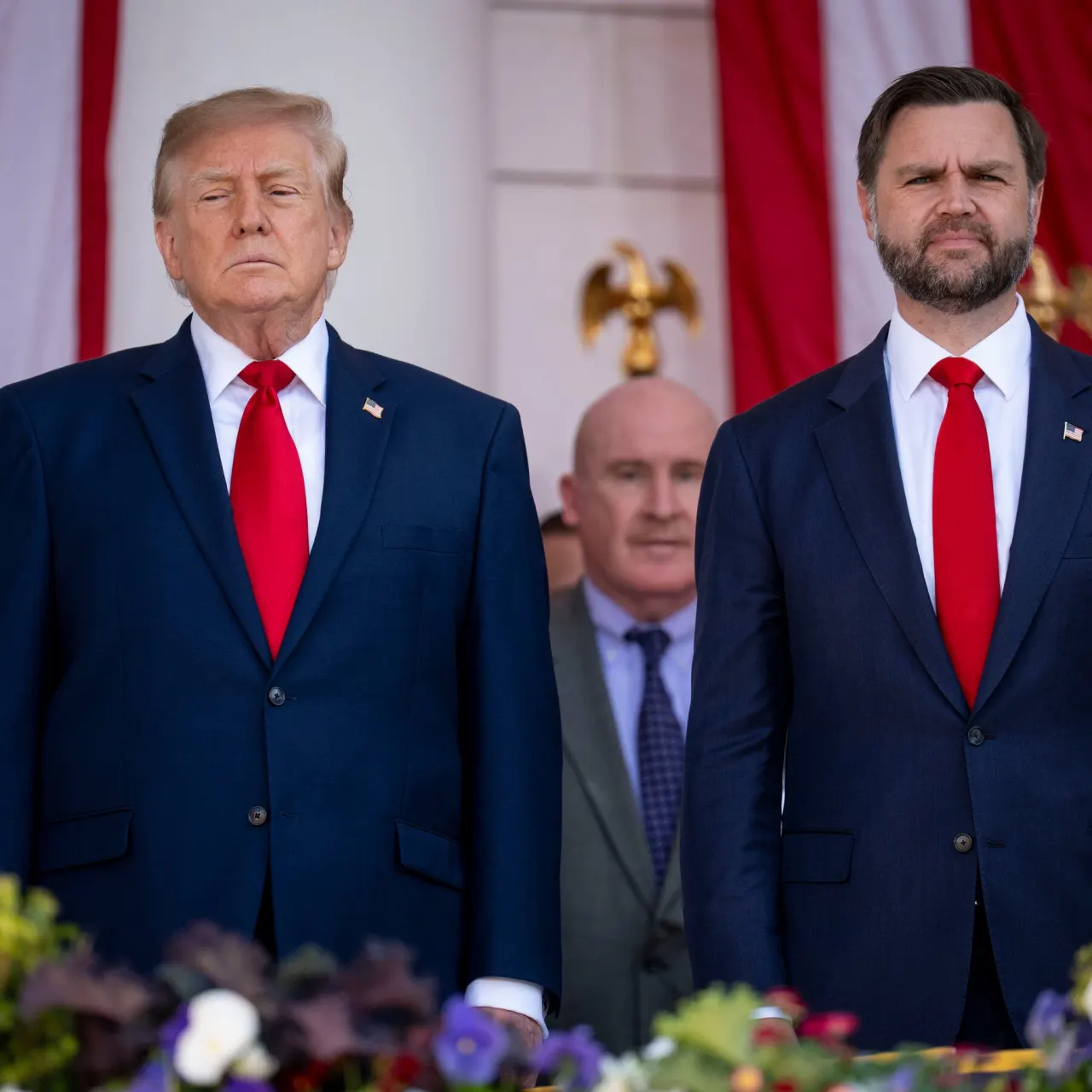
The Trump administration appears to be shifting towards prolonged economic pressure on Iran, while showing little urgency to negotiate a new nuclear agreement. President Trump has said the United States does not need a deal and has set aside, for now, several military options; the approach matters because it leaves the conflict unresolved while relying on sanctions and a naval blockade to press Tehran.
Secretary of State Marco Rubio said sanctions were harming Iran’s government enough that major combat operations were unnecessary unless Iran crossed US red lines. Trump redirected Vice President JD Vance from attempted diplomacy to domestic investigations, and claimed the United States controlled vast Iranian funds and the Strait of Hormuz, though only about $2 billion of frozen Iranian assets are in the US, compared with more than $100 billion worldwide. The strait is only partly open, and the US blockade on Iranian oil shipments remains in place.
In short
- Trump says Washington does not need a new Iran deal.
- The administration is relying on sanctions and a naval blockade.
- The Strait of Hormuz remains only partly open.
Explained simply
Iran’s nuclear programme has been a source of tension with the United States and other countries for years. A 2015 agreement limited the programme in return for sanctions relief, but the United States withdrew from it in 2018, during Donald Trump’s first presidency, and later efforts to reach a new agreement did not succeed.
The main figures are President Trump, Secretary of State Marco Rubio and Vice-President JD Vance, alongside Iran’s government. Sanctions restrict Iran’s access to money and trade, while the Strait of Hormuz is a vital route for oil shipments. Disputes over Iran’s nuclear activity, economic pressure and access to the strait affect regional security and global energy supplies.
Elections Government Middle East Politics World