Trump spy chief wins approval to take over intel as Democrats look to release wiretap powers
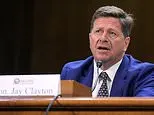
Jay Clayton has secured approval to take on the role of US Director of National Intelligence under President Trump, giving him oversight of the country's intelligence agencies at a sensitive moment. The appointment comes as Democrats push to release information about the use of wiretap powers under the Foreign Intelligence Surveillance Act (FISA), placing Clayton at the centre of ongoing debates over surveillance oversight and transparency in the early stages of his tenure.
Clayton's confirmation follows scrutiny of how intelligence powers, including FISA-authorised wiretapping, have been used and overseen, with Democratic lawmakers seeking greater disclosure. The move places him in charge of coordinating the US intelligence community as questions over surveillance transparency and congressional oversight continue to play out in Washington.
In short
- Jay Clayton approved as Trump's Director of National Intelligence
- Appointment comes amid Democrats' push for FISA wiretap transparency
- Clayton now oversees US intelligence agencies during surveillance oversight debate
Steelman: both sides, in good faith
The strongest fair case each way — we don't pick a winner.
The case for
Supporters of the confirmation argue that the nominee was chosen precisely because they will challenge what critics see as an entrenched, unaccountable intelligence bureaucracy that has at times overstepped its remit or resisted elected oversight. They view a leader loyal to the President's reform agenda as a corrective, someone willing to declassify material, question groupthink within the agencies, and restore public trust after years of controversies over surveillance and politicised intelligence assessments. To this camp, Senate confirmation reflects the constitutional process working as intended, giving the President the national-security team he was elected to appoint.
The case against
Critics who opposed the confirmation argue that the role of Director of National Intelligence demands demonstrated expertise, non-partisan judgement and institutional independence, qualities they fear may be secondary to personal loyalty to the President in this appointment. They worry that placing someone closely aligned with the White House atop the intelligence community risks politicising sensitive assessments, discouraging candid analysis that contradicts the administration's preferred narrative, and eroding trust among allied intelligence services. For this side, safeguarding the agency's credibility and its checks against executive overreach matters more than accommodating the President's preferred pick.
Explained simply
The Director of National Intelligence is America's top spy official, responsible for overseeing all the country's intelligence agencies and coordinating their work. This is a powerful position that influences how the US government conducts surveillance and gathers information on security threats.
FISA, or the Foreign Intelligence Surveillance Act, is a decades-old law that allows US authorities to conduct wiretaps and collect communications on people suspected of being foreign agents or threats. The law has been controversial for years, with critics arguing it gives authorities too much power to monitor people with too little oversight.
Jay Clayton's appointment as Director of National Intelligence is significant because it comes as Democratic lawmakers push for greater transparency about how FISA powers have been used. He will lead the intelligence agencies whilst facing considerable political pressure to disclose details about past surveillance operations and strengthen the rules governing these powers.
Americas Government Politics World