Iran strikes paused as Trump gives diplomacy a brief window
Developed over time first seen 2 months ago
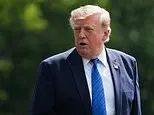
Donald Trump ordered a suspension of planned US military strikes against Iran, giving diplomacy a brief window to produce a rapid settlement before any military action would resume. The move, announced on his social media platform, was coordinated with Israel and marked a shift away from imminent escalation towards negotiation, with the pause explicitly conditional on quick progress at the negotiating table.
The decision followed appeals for restraint from Gulf states, particularly Saudi Arabia, which had warned that strikes risked triggering a wider regional conflict. The diplomatic push was also seen as an attempt to ease pressure on strategic shipping routes and calm broader tensions across the Middle East by favouring a negotiated outcome over confrontation, though no further details on the terms or timeline of any settlement emerged.
- Trump paused planned US strikes on Iran to allow talks
- Move coordinated with Israel, urged by Gulf states like Saudi Arabia
- Pause aimed at averting wider regional conflict and shipping disruption
New here? Start with this
Iran and the United States have been locked in escalating tension over Iran's nuclear programme and its wider role in the Middle East, with Israel also directly involved in recent military exchanges. The prospect of US strikes on Iranian targets has raised fears of a broader regional war, drawing in neighbouring Gulf states that rely on stable shipping routes and regional calm for their own security and economies.
Donald Trump, as US president, holds the authority to order military action, and his social media platform has become his primary channel for announcing major foreign policy decisions. Israel is a key US ally in the region and has its own long-running conflict with Iran, making its coordination with Washington significant to how any strikes or negotiations unfold.
Saudi Arabia and other Gulf states matter here because they sit close to potential conflict zones and have historically pushed for de-escalation, fearing that a US-Iran clash could disrupt oil exports and destabilise the wider Middle East. The outcome of this diplomatic window could determine whether the region moves towards a negotiated settlement or further military confrontation.
Both sides, in good faith
The strongest fair case each way — we don't pick a winner.
The case for
Supporters of the pause argue that exhausting every diplomatic avenue before resorting to force is both prudent and morally responsible, given the scale of harm military strikes could unleash. They point to the explicit appeals from Gulf states, particularly Saudi Arabia, as evidence that regional actors themselves fear escalation, and argue that heeding these warnings shows sound judgement rather than weakness. A short, clearly bounded window for negotiation, they contend, costs little if it can secure a settlement while preserving the credible threat of force as leverage.
The case against
Sceptics of the pause argue that a strict deadline for diplomacy risks being read by Tehran as an invitation to stall rather than a genuine incentive to settle, potentially squandering whatever pressure the threat of strikes had built up. They contend that announcing the suspension publicly, rather than through quieter channels, may undercut the credibility of the threat itself and signal irresolution to adversaries and allies alike. For those favouring a firmer posture, the priority is denying Iran any opportunity to use talks as cover for continued destabilising activity, and they worry that a brief pause, if not matched by real concessions, only delays a reckoning that decisive action would resolve more swiftly.
Coverage
- Daily Mail — Trump calls off planned weekend strikes on new Iran targets as he hints at shock deal to REOPEN Strait of Hormuz
- BBC World — Iran deal cancels US strikes as region eases tension
- Daily Mail — Saudi ruler pleads with Trump not to strike new Iran targets as Middle East braces for impact
Americas Cricket Government Middle East Politics Sport World