Trump ramps up rallies as Republicans fear losing congressional control
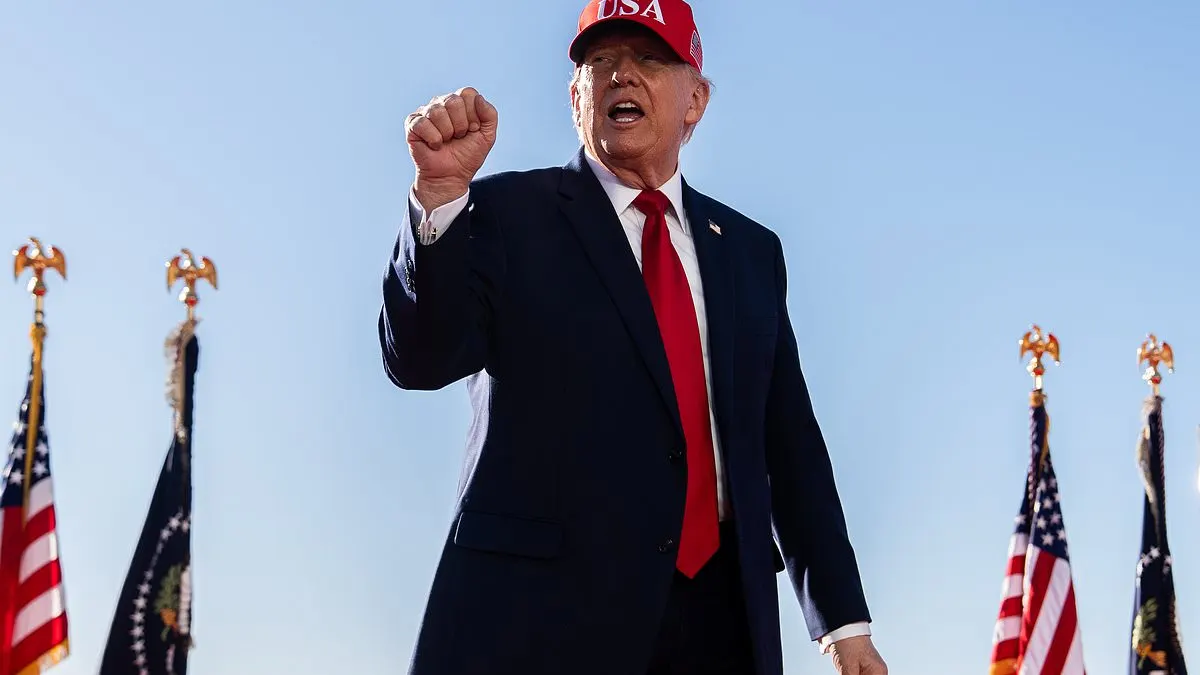
Donald Trump has predicted "big surprises" in the coming weeks before midterm elections, as Republicans show signs of panic about potentially losing control of Congress to Democrats. Trump is intensifying his campaign efforts, holding multiple rallies across the country, but polls paint a bleak picture for the GOP with his approval rating at just 32 per cent and voters preferring Democratic candidates by a significant margin.
Key indicators of Republican concern include the party campaigning in traditionally safe Republican states like Nebraska, Oklahoma and Alabama—unprecedented moves suggesting vulnerable seats. Recent polling shows 44 per cent of voters favour Democratic candidates compared with 37 per cent for Republicans, whilst independent voters heavily favour Democrats at 37 per cent versus 21 per cent. Democrats need to gain four Senate seats to take control, whilst the GOP's five-seat House majority is also under threat, with Republicans also losing ground among Hispanic voters.
- Trump hints at election surprises as Republicans show panic over losing Congress
- His approval rating stands at 32%, with voters preferring Democrats by wide margins
- GOP campaigns in deep red states, a sign of desperation to protect endangered seats
New here? Start with this
Midterm elections are held roughly halfway through a president's four-year term, when Americans vote for representatives and some senators. These elections determine which party controls Congress for the next two years.
The Republican party currently holds majorities in both the House of Representatives and the Senate. Recent polling suggests, however, that voters significantly favour Democratic candidates over Republican ones.
Whichever party controls Congress has greater power to shape the national legislative agenda. The outcome of these elections will therefore significantly influence what policies the government can pursue.
Both sides, in good faith
The strongest fair case each way — we don't pick a winner.
The case for
Trump's rally campaign reflects a legitimate strategy of mobilising core supporters, whose disciplined turnout is typically decisive in midterm elections. Approval ratings, whilst relevant, don't perfectly predict electoral outcomes; voters often distinguish between views on a president and preferences for congressional representation. Historical examples show that late campaign momentum and differential turnout can substantially shift expectations from what current polls suggest.
The case against
The polling data reveals structural disadvantages difficult for rallies alone to overcome. Trump's 32 per cent approval rating is historically low for a sitting president campaigning for his party, and Democrats hold consistent leads amongst critical demographics including independents and Hispanic voters. These gaps suggest voters have substantive concerns about Republican leadership rather than enthusiasm problems, meaning that energising existing supporters cannot bridge the gap when a substantial portion of the electorate actively prefers the opposing party.
Art Cricket Culture Elections Government Politics Sport World
Read the full article at the source →
Originally published by Daily Mail as “Trump teases ‘big surprises’ before midterm elections amid signs that Republicans have shifted to panic mode in key swing states”.