Trump teases potential Kim Jong Un meeting later this year
President Donald Trump said he expects to meet North Korean leader Kim Jong Un "later this year", pointing to continued direct diplomacy between Washington and Pyongyang. The remarks come despite a swift denial from North Korea, suggesting the two sides may hold differing views on the state and prospects of their relationship, and highlight Trump's continued interest in personal diplomacy with Kim.
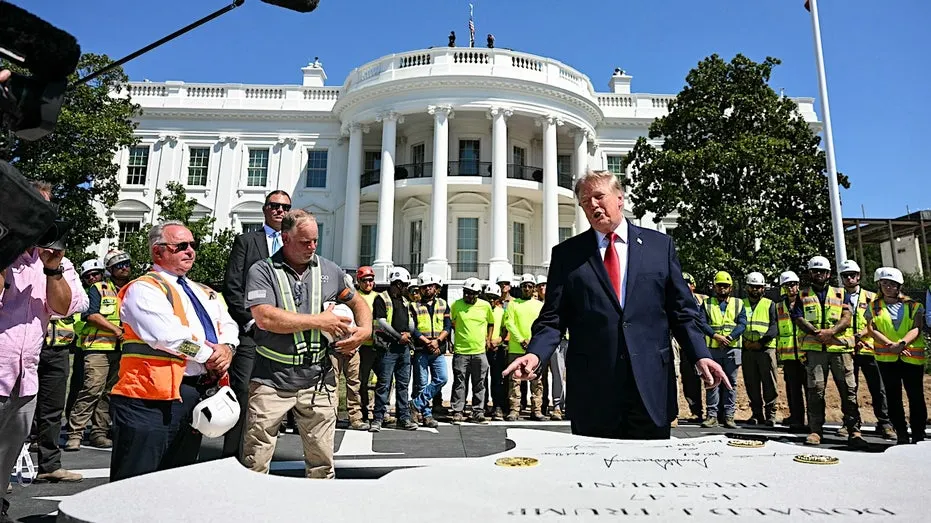
Speaking to reporters during an impromptu walkthrough of White House construction work on Wednesday, Trump said "I get along with him very well" and confirmed he anticipated meeting Kim before the year's end. In response, Kim Yo Jong, Kim Jong Un's sister, issued a statement via state media outlet KCNA saying the relationship between the two leaders "remains excellent" but stressing that US "hostile policies" towards North Korea had not changed. Trump declined to elaborate further on the potential meeting.
- Trump says he expects to meet Kim Jong Un later this year
- North Korea's Kim Yo Jong disputes US "hostile policies" remain unchanged
- No details confirmed on timing or location of any meeting
New here? Start with this
North Korea is a one-party state led by Kim Jong Un, while the United States has long sought to limit its nuclear weapons programme through sanctions and negotiations. The two countries do not have normal diplomatic relations, and their governments disagree over what steps would be needed to improve ties.
Donald Trump and Kim have met in person before, during Trump’s first presidency, in talks focused on North Korea’s nuclear programme. Those meetings drew attention to the role of direct leader-to-leader diplomacy, though they did not produce a lasting agreement on nuclear disarmament.
Both sides, in good faith
The strongest fair case each way — we don't pick a winner.
The case for
Direct diplomatic engagement with North Korea reduces the risk of catastrophic miscalculation and military conflict. By maintaining personal relationships and dialogue channels, Trump's approach keeps communication lines open that could prevent escalation, and even if agreements remain incomplete, demonstrating that negotiation is possible where it previously seemed impossible offers the best realistic pathway towards eventual denuclearisation or at least freezing further nuclear development.
The case against
North Korea's own statement reveals the fundamental limitation of this approach—despite years of summits and claimed relationship improvements, Pyongyang explicitly states that US 'hostile policies' remain unchanged, meaning diplomatic gestures are largely performative whilst substantive security concerns persist. North Korea continues developing nuclear weapons regardless of personal relationships, and repeatedly overpromising meetings that don't materialise damages American credibility; resources would be better invested in rigorous multilateral sanctions enforcement and strengthening alliances with South Korea and Japan.