Trump trade chief reveals what preceded Canada walking away from ‘best deal in the world’
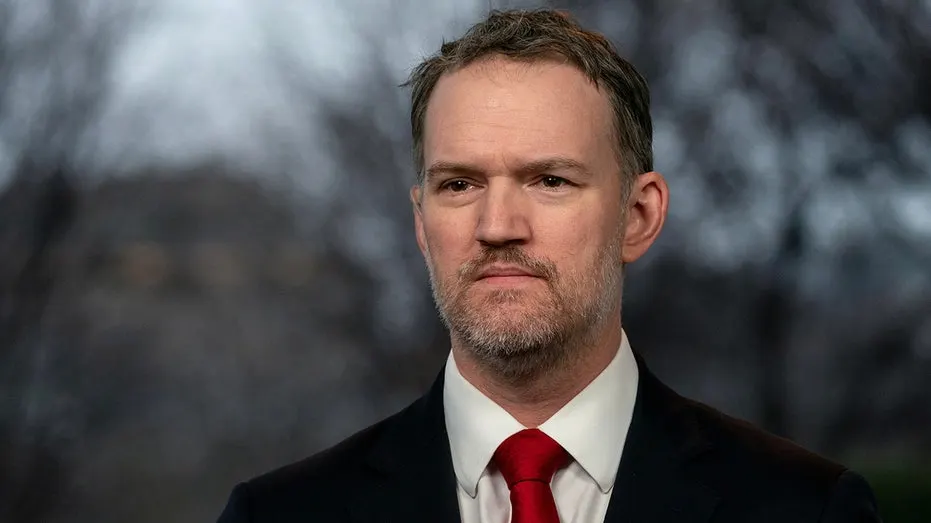
US Trade Representative Jamieson Greer said Canada abandoned the "best deal in the world" after nearly finalising a trade agreement with the United States, blaming Ottawa for demanding additional concessions after the two sides had reached a handshake deal. His comments, made on Fox News's "Special Report", come amid an escalating trade dispute between Washington and Ottawa that has seen President Trump order Lake Ontario to be renamed "Lake America" and Canada suspend negotiations altogether.
Greer said the US had offered concessions on steel, aluminium, autos and lumber after Canadian officials sought a revised agreement, but that when Canadian negotiators returned from Ottawa they demanded further tariff relief that Washington could not accommodate. Canada suspended talks on 21 August, with US officials citing "new demands and walk backs of other commitments" by Canada. Greer disputed Canadian claims that the country had been "attacked", noting most Canadian goods enter the US duty-free and that Canada and China are the only nations to have retaliated with countermeasures; he added that no formal talks have resumed since the breakdown, and the deal's fate now rests with Canada.
In short
- Greer says Canada rejected a finalised US trade deal, demanding more concessions
- Canada suspended talks on 21 August amid dispute over "new demands"
- Greer says no formal negotiations have resumed; ball is in Canada's court
Steelman: both sides, in good faith
The strongest fair case each way — we don't pick a winner.
The case for
The US case is that Washington had already offered meaningful relief in key sectors and that a handshake understanding should have set a basis for finishing the agreement. If Canada then sought further tariff concessions or reversed earlier commitments, the US could reasonably see continued negotiation as unfair and say the next move rests with Ottawa.
The case against
Canada could argue that a provisional handshake was not a completed agreement and that it was entitled to seek better terms before accepting a deal affecting major industries. From this view, asking for further tariff relief was ordinary negotiation, while the US framing of Canada as having abandoned a near-final deal may understate the pressure created by US tariffs and the unequal costs of the dispute.
Explained simply
The United States and Canada are major trading partners, with goods such as cars, metals, timber and food crossing their shared border. A trade agreement sets rules for that exchange, including whether tariffs—taxes on imported goods—apply.
The US Trade Representative leads American trade negotiations; Jamieson Greer holds that role. The governments of the United States and Canada negotiate on behalf of their countries, and any agreement depends on both sides accepting its terms.
Trade rules can affect prices, jobs and businesses in both countries, especially in industries that sell across the border. Disputes over tariffs and access to markets can therefore have consequences beyond the negotiating table.
Americas Government Politics World