US clean energy capacity set for record 45GW growth in 2026
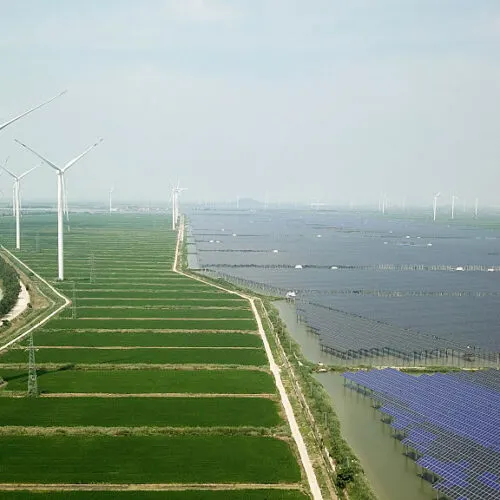
Clean energy capacity in the United States is set to grow by a record 45 gigawatts in 2026, according to S&P Global Energy, despite President Donald Trump's efforts to curb the solar and wind rollout in favour of fossil fuels. The increase, roughly 25% above the previous record set in 2024, is being driven by surging electricity demand from AI data centres, rising global energy prices linked to Trump's war in Iran, and developers rushing to complete projects before clean energy tax credits expire. Analysts say the administration has proven pragmatic despite its rhetoric, recognising that renewables cannot easily be replaced given growing power needs.
New solar capacity is expected to rise by nearly a third in 2026 and wind by almost 50%, even though Trump's administration blocked the Esmeralda 7 project in Nevada, cut tax credits via the One Big Beautiful Bill Act, and delayed approvals for over 150 onshore wind projects. However, a July 2026 deadline in that same legislation to begin construction spurred developers to break ground quickly. Solar and wind remain the fastest and cheapest options to add to the grid, with lead times under two years versus at least three for gas, and break-even prices as low as $37–38 per megawatt-hour compared with $48 for gas. US electricity demand is forecast to grow 39% by 2035, and expected price rises of 40–120% once Biden-era subsidies lapse are expected to further benefit renewable developers.
- US clean energy capacity to grow by record 45GW in 2026
- AI data centre demand and Trump's Iran war are driving the boom
- Trump cut subsidies but couldn't stop the renewables surge
New here? Start with this
The US electricity system includes power stations, wind farms and solar projects that supply homes and businesses through the national grid. Clean energy capacity means the amount of electricity new wind and solar facilities could produce; it is different from the electricity they generate at any particular moment.
The main players include energy developers, who build projects, and the federal government, which can shape them through tax rules and approvals. President Donald Trump has favoured fossil fuels, while demand for electricity is rising, including from data centres used for artificial intelligence. Developers’ decisions also depend on how quickly and cheaply each type of power can be added.
These choices matter because electricity demand is expected to grow, and the cost and reliability of new power sources affect households and businesses. Tax credits can change which projects are financially viable, while construction times influence how quickly new supply can reach the grid.
Both sides, in good faith
The strongest fair case each way — we don't pick a winner.
The case for
The record renewable expansion reflects genuine economic advantages rather than policy-driven distortion. Solar and wind deployments are objectively faster and cheaper than fossil fuel alternatives—crucial metrics given the 39% electricity demand forecast by 2035. Developers are investing despite reduced government support, suggesting market fundamentals favour renewables. This growth enhances energy security and addresses real electricity needs from data centres and broader economic activity.
The case against
The renewable surge raises valid concerns about grid reliability and economic consequences. High dependence on weather-dependent generation creates baseload power risks requiring expensive battery storage and fossil fuel backup—costs often underestimated in pure capacity comparisons. The rush to complete projects before subsidy deadlines indicates policy-driven deployment rather than organic market preference. A diversified energy portfolio including reliable natural gas capacity better serves grid stability and responsible energy planning.
Read the full article at the source →
Originally published by Ars Technica as “Trump tried to curb clean energy. It’s booming anyway.”.