Trump urges Congress to pass Protect College Sports Act before recess: ‘We have to get that done’
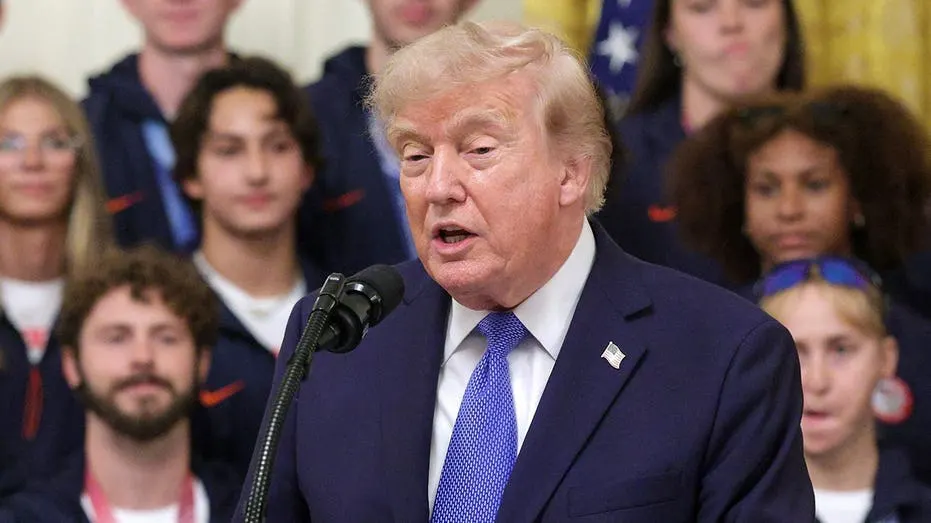
US President Donald Trump has renewed his call for Congress to pass the Protect College Sports Act before lawmakers go into recess, telling officials "we have to get that done". The bipartisan bill aims to protect the structure of collegiate athletics amid growing legal and financial pressures on the US college sports system, though the legislation stalled in an overnight Senate session and its vote has since been pushed back to September.
Trump made the comments during a White House celebration on Thursday night for more than 120 US athletes, coaches and staff who competed at the Milan Cortina Winter Olympic and Paralympic Games. He described the collegiate athletic system as "the engine" driving American sporting success, framing the bill's passage as essential to preserving that pipeline. Missouri Senator Eric Schmitt has been among those publicly backing the act, arguing it offers "hope" for the future of college sports.
In short
- Trump pushes Congress to pass Protect College Sports Act before recess
- Bill stalled overnight in Senate; vote now delayed to September
- Comments made at White House event honouring US Winter Olympians
Steelman: both sides, in good faith
The strongest fair case each way — we don't pick a winner.
The case for
Advocates argue the bill protects the collegiate athletics system as a distinct educational endeavour, maintaining competitive balance and opportunities across all sports including those less profitable. They contend that without legislative safeguards, market pressures risk transforming college sports into an unregulated minor-league system that exploits student-athletes whilst threatening institutional integrity and non-revenue programmes. This perspective values preserving a system where athletic participation complements education rather than replacing it.
The case against
Critics contend the legislation prioritises institutional interests and revenue protection over individual athlete rights and economic freedoms. They argue athletes should autonomously profit from their name, image, and likeness through market mechanisms rather than face legislative restrictions, and worry the bill entrenches existing power imbalances between institutions and athletes. From this view, genuine reform should expand athlete compensation and autonomy rather than impose constraints that primarily benefit institutions.
Explained simply
College sport in the US is closely tied to universities: colleges field teams, recruit athletes and provide a route into professional sport and national teams. The system has traditionally relied on rules limiting what athletes can receive, but legal challenges and new sources of money have put those rules under pressure.
The Protect College Sports Act is a bipartisan bill intended to set national rules for college athletics and preserve the role of universities in the system. Congress would need to pass it for it to become law; supporters say it could provide stability for colleges and athletes, while its effects would depend on the final rules.